GeMarkt Journal · Practical guide
Is William Blake Public Domain? Illuminated Books, Poems, and Image Files
Blake's established works are public domain in the markets checked here, but book copy, plate, page, colouring, transcription, facsimile, and file need separate evidence.
Rights check · reviewed
The short answer
Yes—for Blake’s established literary and artistic works and the 12 published institutional pages and prints documented here in the European Union, United Kingdom, Türkiye, and United States. Copy, plate, page, colouring, transcription, facsimile, and exact file remain separate layers.
| What is being checked | Result | Why |
|---|---|---|
| European Union, United Kingdom & Türkiye | Public domain | William Blake died in 1827, far beyond the ordinary life-plus-70 economic-rights terms for his established literary and artistic works. |
| United States — named published set | Clear for the documented publications | The selected pages and prints were published or printed from 1810 to about 1825; a private drawing or manuscript needs its own §303 chronology. |
| Illuminated-book copy, plate, and page | Name the material copy | The same Blake work can differ by copy designation, plate order, printing date, ink, hand-colouring, paper, binding, and condition. |
| Transcription, facsimile, restoration, or file | Audit modern editorial work | A public-domain poem or design does not automatically clear a modern transcription, typography, reconstructed facsimile, or hosted scan. |
This guide clears a named AIC and Met set and answers The Tyger exact intent inside the artist-level canonical. It excludes unverified illuminated-book copies, private works without a U.S. publication chronology, modern transcriptions, and facsimile or restoration files.
This is a documented research summary, not legal advice. Copyright and moral-rights rules can vary by country and by the history of a particular work.

What we’ll look at
When can a Blake poem or image be reused, and why do the work, illuminated-book copy, plate, page, colouring, transcription, facsimile, and digital file need separate records?
The useful answer is yes for William Blake’s established poems and artworks and for the 12 institutional pages and prints documented here—but not automatically for every illuminated-book copy, transcription, facsimile, restoration, or file carrying his name. Blake died in 1827. His established literary and artistic works are public domain in the European Union, United Kingdom, and Türkiye. The selected objects were published or printed between 1810 and about 1825, supporting the same conclusion in the United States.
Blake makes the phrase “the image” especially misleading. In his illuminated books, text and picture were etched together. He printed copies at different dates, in different inks, and with different colour. Plate order, registration, paper, hand-finishing, binding, and condition vary. A modern edition may transcribe the poem, standardise spelling, reset it in a new typeface, reproduce one copy, or assemble plates from several copies.
This guide therefore asks:
- Is Blake’s underlying poem or design outside copyright in the market being checked?
- Was the object published, and what does its U.S. chronology show?
- Which plate and which named illuminated-book copy are being reproduced?
- What page sequence, ink, colouring, paper, and binding context belong to the object?
- Is the exact digital file affirmatively available for the intended reuse?
- Have transcription, typography, alignment, cleanup, colour correction, compositing, or generative editing added modern work?
It is a research summary, not legal advice. Its release boundary is the named institutional set, not Blake’s fame or age alone.
The short answer is yes for the named set
The 12 records below come from The Metropolitan Museum of Art and the Art Institute of Chicago. Each joins a museum object page to one exact source file and one local derivative. Four Met pages are marked Public Domain through Open Access; eight AIC files carry a CC0 Public Domain Designation.
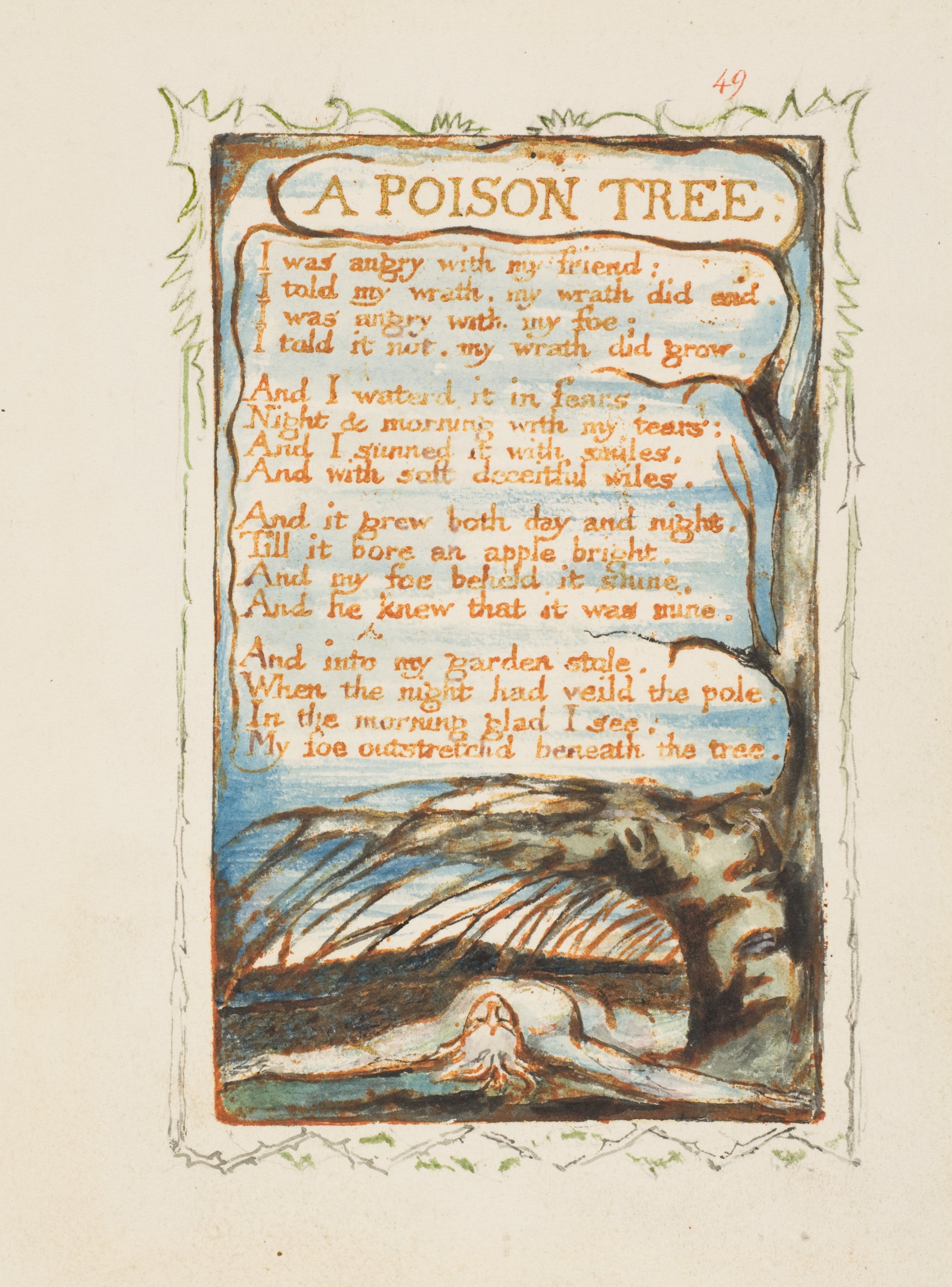
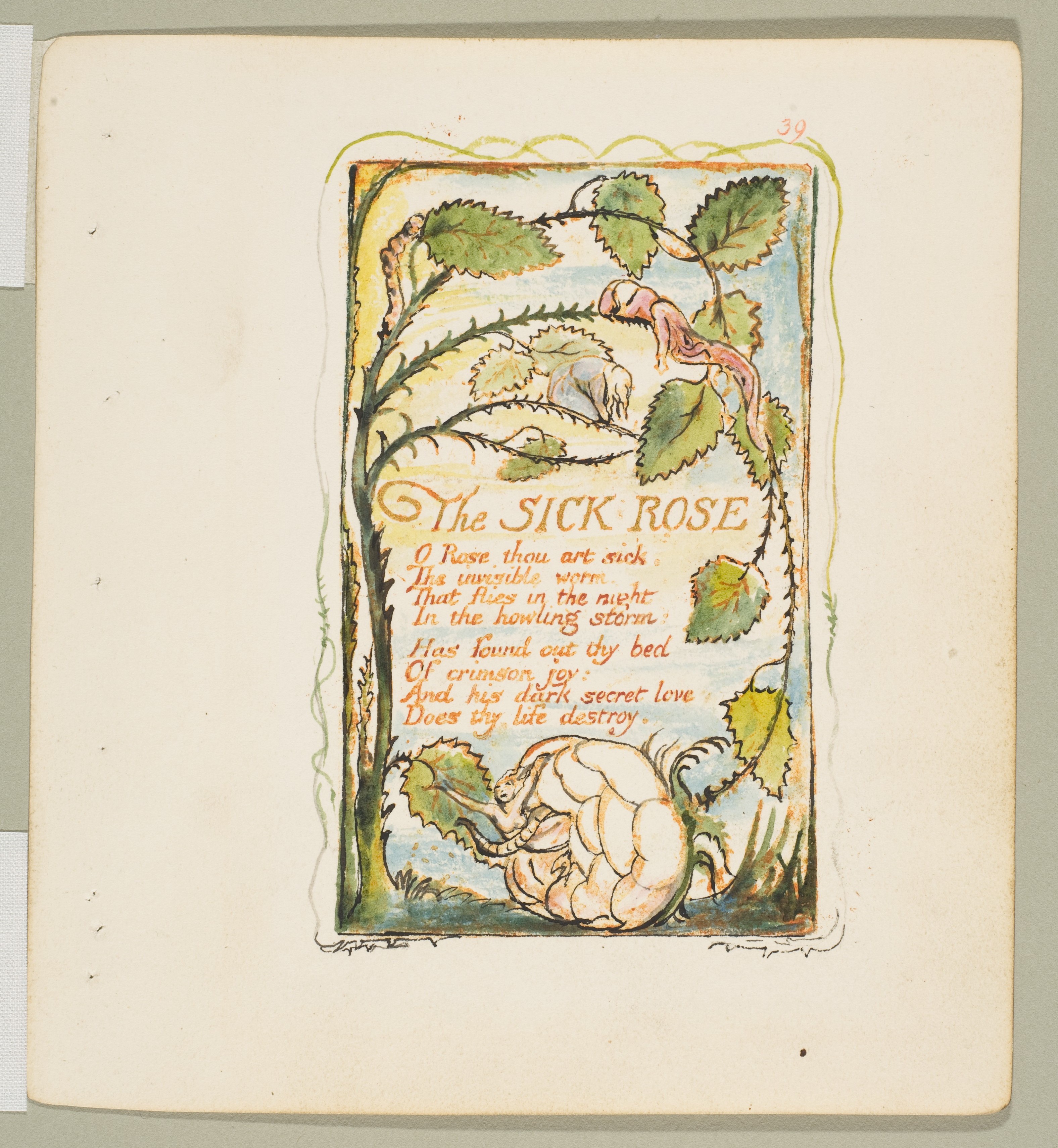
The Met group comes from Songs of Innocence and of Experience, Copy Y, printed about 1825: The Tyger, London, A Poison Tree, and The Sick Rose. The AIC group contains Blake’s 1810 Canterbury Pilgrims engraving and seven 1821 wood engravings for The Pastorals of Virgil.
The clearance does not automatically include:
- another copy of the Songs treated as visually identical to Copy Y;
- a private drawing or manuscript without a researched U.S. publication history;
- a later printing from Blake’s plate detached from its printing date and state;
- a modern transcription, translation, typeface, scholarly apparatus, or book design;
- a facsimile that reconstructs colour, order, margins, or missing detail;
- a marketplace image or scan without an institutional source chain;
- a museum logo, caption, trademark, or endorsement claim.
The old work and the selected file remain separate evidence layers.
Life-plus-70 markets are clear
Blake’s 1827 death is far beyond ordinary life-plus-70 copyright terms. The European Union term directive, UK government guidance, and Article 27 of Türkiye’s Law No. 5846 each support a public-domain conclusion for his established literary and artistic works.
| Market checked | Rule relevant here | Result for Blake’s established works |
|---|---|---|
| European Union | author’s life plus 70 years | public domain |
| United Kingdom | 70 years after the creator’s death | public domain |
| Türkiye | economic rights ordinarily last life plus 70 | public domain |
This does not erase other layers. Ownership of a bound copy or copperplate is not copyright ownership. Open access does not authorise use of an institution’s trademark. Moral-rights rules, contract terms, a modern editor’s work, and a current facsimile’s creative additions can vary by place and context.
The careful claim is narrower and stronger: Blake’s established works identified here are outside ordinary economic copyright terms in the checked life-plus-70 markets.
The US answer follows publication history
United States duration analysis depends heavily on publication. In 2026, a work published before 1 January 1931 is beyond the maximum 95-year publication term in the Copyright Office’s duration table.
The selected route is clear. The Canterbury Pilgrims was issued in 1810. The Pastorals of Virgil wood engravings appeared in 1821. The Met’s Copy Y pages carry underlying 1789 or 1794 plate dates and a printing date of about 1825.
That answer should not be copied onto every Blake object. Section 303 governs works that were unpublished on 1 January 1978 and includes transition floors through 2002 or, for some qualifying first publications, the end of 2047. A sketchbook leaf, manuscript note, or drawing first distributed in a modern edition needs its own chronology.
Use this split:
- Named page from a copy printed and distributed in Blake’s lifetime: publication route is clear.
- Separate print with a documented 1810 or 1821 issue: publication route is clear.
- Proof, private drawing, or manuscript: establish distribution rather than assuming the book’s date applies.
- Posthumous printing or facsimile: identify plate history, publisher, modern additions, and exact file.
An illuminated book is not one standard edition
Blake developed relief etching so words and images could be printed from the same raised plate. That technical unity did not produce a modern standard edition. It produced material copies.
One copy may be printed in dark ink and left monochrome. Another may use coloured ink, colour printed from the plate, finished in watercolour, touched with gold, or assembled in a different sequence. The same plate can sit differently on the sheet. A title such as Songs of Innocence and of Experience therefore names a work while Copy Y names one surviving material configuration.
The William Blake Archive’s technical scholarship distinguishes monochrome printing, coloured ink, colour printing, and hand-colouring. Those are not synonyms. Its copy designations and plate references exist because variation is evidence, not noise.
For each reuse record, preserve:
- Work and plate. Which poem/design and relief-etched matrix?
- Copy. Copy Y, another named copy, an unbound leaf, or a later assemblage?
- Printing. When, in what ink, and on what paper?
- Finishing. Watercolour, shell gold, colour printing, later retouching, or none?
- Sequence. Where does the plate sit in that copy?
- Object. Which accession, binding, leaf, and condition?
- File. Which photograph or scan, supplied under what statement?
- Derivative. What did the present user transcribe, reset, align, clean, recolour, or add?
“The original page” is not precise enough.
Colour registration and sequence identify the copy
Copy Y’s Tyger page is printed in orange-brown ink and hand-coloured with watercolour and shell gold. The Met notes that its saturated colour and ornamental borders differ from earlier copies. Those differences are not merely decoration over a universal black outline. They help identify this page and copy.
Registration matters too. Blake’s plates can sit high, low, or at an angle on the sheet. Modern facsimiles often straighten, crop, and standardise margins. A digital edition may make every plate appear uniform even when the source copy is not.
Plate sequence can also change meaning. Pairing, facing pages, the move from Innocence to Experience, and the order within a bound copy create reading context. A cropped image search result removes that evidence.
The rights ledger therefore keeps the full institutional file without crop and attaches the named copy, plate number, printing date, accession, dimensions, and checksum.
Is The Tyger public domain
Yes for Blake’s poem and illuminated design and for The Met’s Copy Y, plate 42 page and file documented here in the checked markets. The underlying plate dates to 1794; this impression was printed about 1825. The Met marks the object Public Domain and supplies the image through Open Access.
That answer does not make all versions visually interchangeable. Another copy can use different ink, colour, border treatment, registration, paper, sequence, and condition. A modern transcription can regularise Blake’s spelling or punctuation. A new typographic poster can contain its own layout and typeface licensing questions.
Use a precise image credit: William Blake; Songs of Innocence and of Experience; Copy Y; plate 42; etched 1794, printed c. 1825; The Met 17.10.42; exact Open Access file. If only the poem text is reused, cite the text source and editorial method instead of pretending a page image supplied the definitive transcription.
The exact-intent answer belongs inside this guide at first release. A separate /blog/the-tyger-william-blake-public-domain-guide/ would duplicate the same term, copy, plate, and file analysis unless reader evidence later shows a distinct task.
Poem text transcription typeface and page image are different
Blake’s poem is one rights layer. A transcription is another editorial object. It chooses how to represent capitalisation, punctuation, line endings, damaged letters, long forms, and uncertain marks. A scholarly edition may add notes, apparatus, emendations, and a new sequence.
A typeface is not the handwriting on Blake’s plate. Setting public-domain words in a current font can introduce font-software licensing and a new layout. Reproducing a publisher’s modern page can copy its typography even when the poem itself is free to use.
Choose the correct source for the task:
- Historical visual page: identify copy, plate, impression, and exact file.
- Diplomatic transcription: preserve Blake’s visible forms and state editorial conventions.
- Normalised reading text: explain normalisation and cite the edition used.
- New poster or book design: clear the typeface, layout, illustrations, and production assets separately.
Public domain permits new work. It does not make source description optional.
Facsimiles and restorations need their own records
Blake facsimiles may imitate one copy, combine plates from several copies, reconstruct colour, replace missing pages, align margins, redraw faint line, or simulate paper. Some are historical works with their own authors and publication dates; some are modern scholarly or commercial editions.
A digital restoration can neutralise paper, intensify orange-brown ink, suppress stains, rebuild shell-gold highlights, straighten the plate, and expand the border. Some changes are mechanical; others may contain creative choice. The U.S. Copyright Office distinguishes faithful copying from sufficiently creative alteration, while other jurisdictions and contracts may differ.
Keep exact provenance:
- work, copy designation, plate number, and printing date;
- ink, colouring, paper, sequence, binding, and accession;
- exact source-file URL and provider label;
- source and local dimensions plus checksum;
- transcription, crop, alignment, colour, cleanup, reconstruction, compositing, or generative-edit history;
- review date.
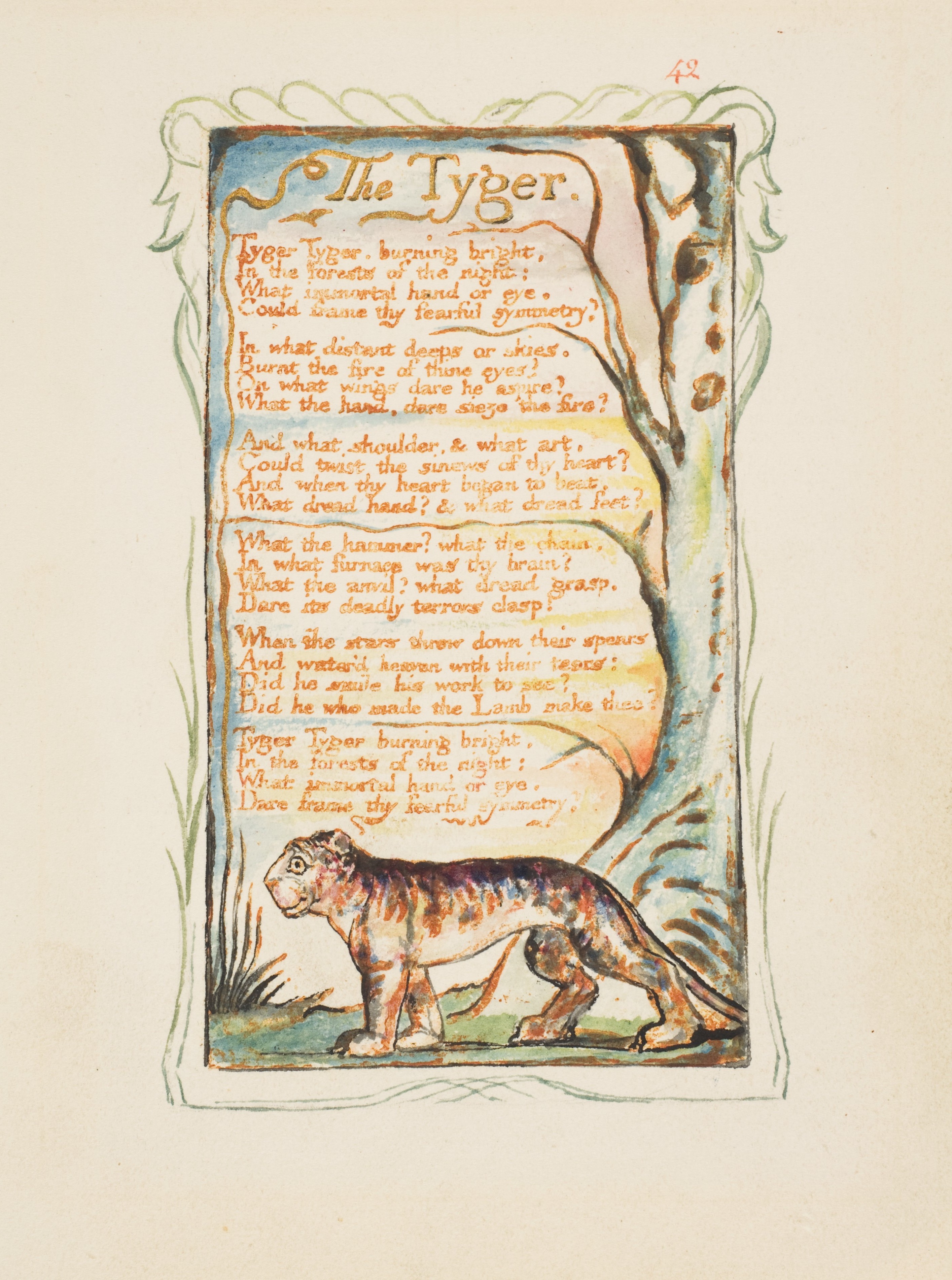
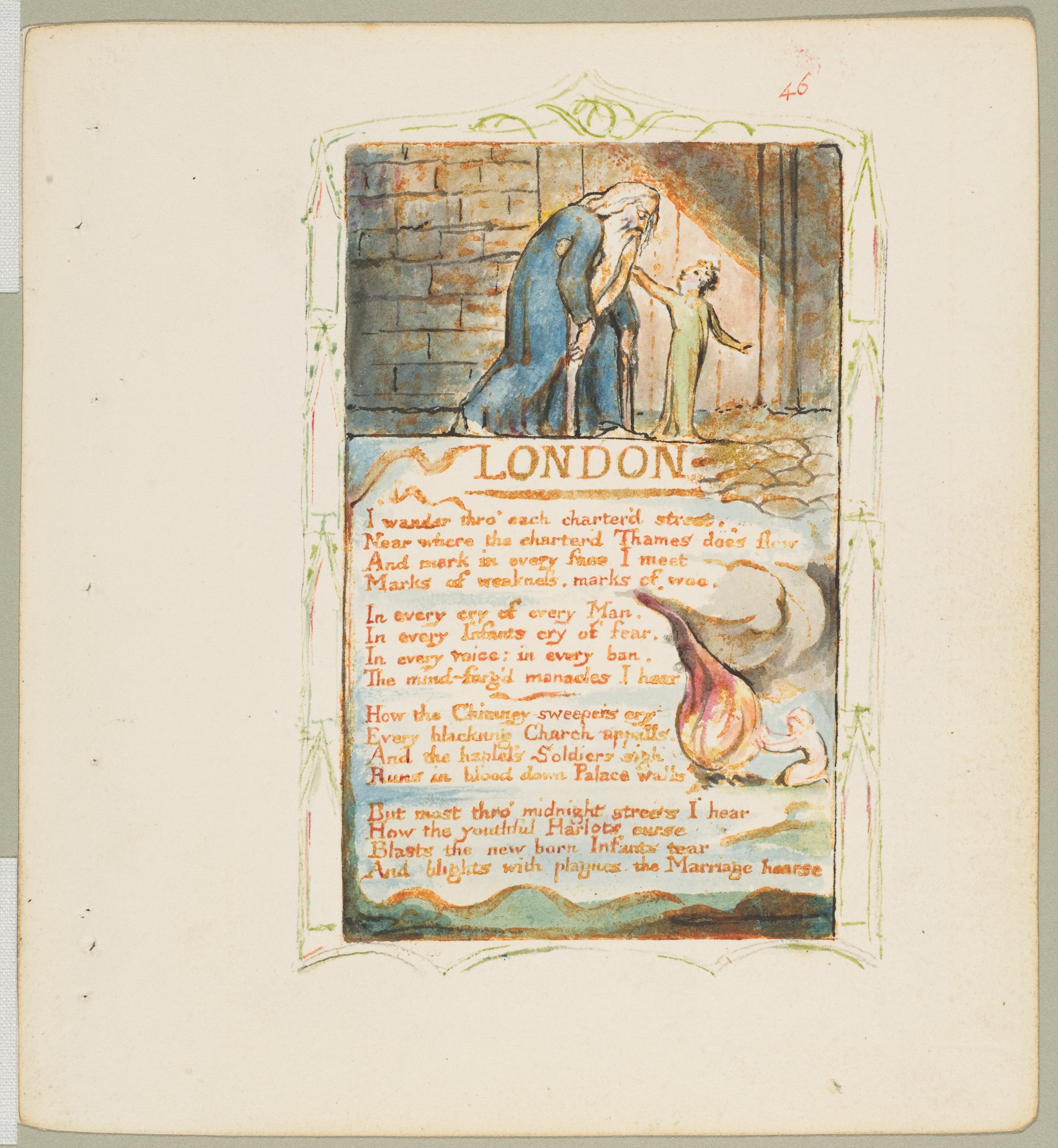
The feature source measured 2829 × 3802 pixels. GeMarkt resized it to 1584 × 2129 pixels, converted it to WebP, and did not crop it.
Twelve open files form the published set
Four pages come from The Met and eight prints from AIC. The visible rights ledger below is the publication boundary. Every row connects a specific object, accession, exact source image, provider label, local file, dimensions, and transformation.
The set shows several rights-relevant patterns:
- The Tyger, London, A Poison Tree, and The Sick Rose share Copy Y while remaining separate plates, pages, object numbers, and files.
- Their c. 1825 printing date is not the same as the 1789 or 1794 plate/work date.
- The Canterbury Pilgrims is a separate line engraving, not an illuminated-book page.
- The Pastorals images are wood engravings issued in a published book and should retain that book context.
- Similar pastoral scale and medium do not merge accession or file identity.
None should be downloaded, renamed, and detached from its object record.
A commercial reuse checklist
Before using a Blake poem or image in a print, book, apparel design, advertisement, or digital collection:
- Identify the work and medium. Illuminated plate, wood engraving, line engraving, drawing, manuscript, or facsimile?
- Check the intended market. Use a territorial rule rather than a worldwide slogan.
- Establish publication. Do not borrow a book date for a private object.
- Name the copy and plate. Preserve copy designation, plate number, sequence, and printing date.
- Describe material difference. Record ink, colour printing, hand-colouring, paper, binding, and condition.
- Choose a text method. Diplomatic transcription, normalised text, or newly typeset edition?
- Follow the exact file. Start with the provider object record, not a search engine or reseller.
- Audit facsimile and restoration. Record composite sources, alignment, cleanup, colour, reconstruction, and crop.
- Clear modern typography. Public-domain words do not license every font or layout.
- Avoid false endorsement. Do not use institutional branding or imply museum approval.
Recheck before release. Attribution, copy identification, sequence, file availability, and provider policy can change even though Blake’s own term cannot return.
Where Blake fits inside GeMarkt
The artwork research guide shows how to build an object record and source map. The guide to citing art and images adds captions, editions, and file rights. Provenance, Attribution, Restitution explains why an object’s story changes when evidence changes. Public Domain Is Not a Free-for-All gives the neighbouring rule: an old work and a modern hosted file are not one question.
Future collection and wallpaper paths are reserved as /collections/william-blake/ and /free/wallpapers/william-blake/. They are not live product promises. They should open only after selected pages have been restored, quality checked, and prepared for the actual format.
Until then, readers can consult GeMarkt’s copyright approach, browse existing free wallpapers, or visit the shop for work that genuinely exists today. Blake joined poet, painter, printmaker, printer, and publisher in one practice. Responsible reuse honours that unity by preserving the material identity of the copy and file.
Rights-checked image ledger
A documented starting set
These files were selected from the holding institutions rather than from search-result copies. Each card keeps the artwork record, exact source file, provider statement and GeMarkt transformation visible as separate facts.
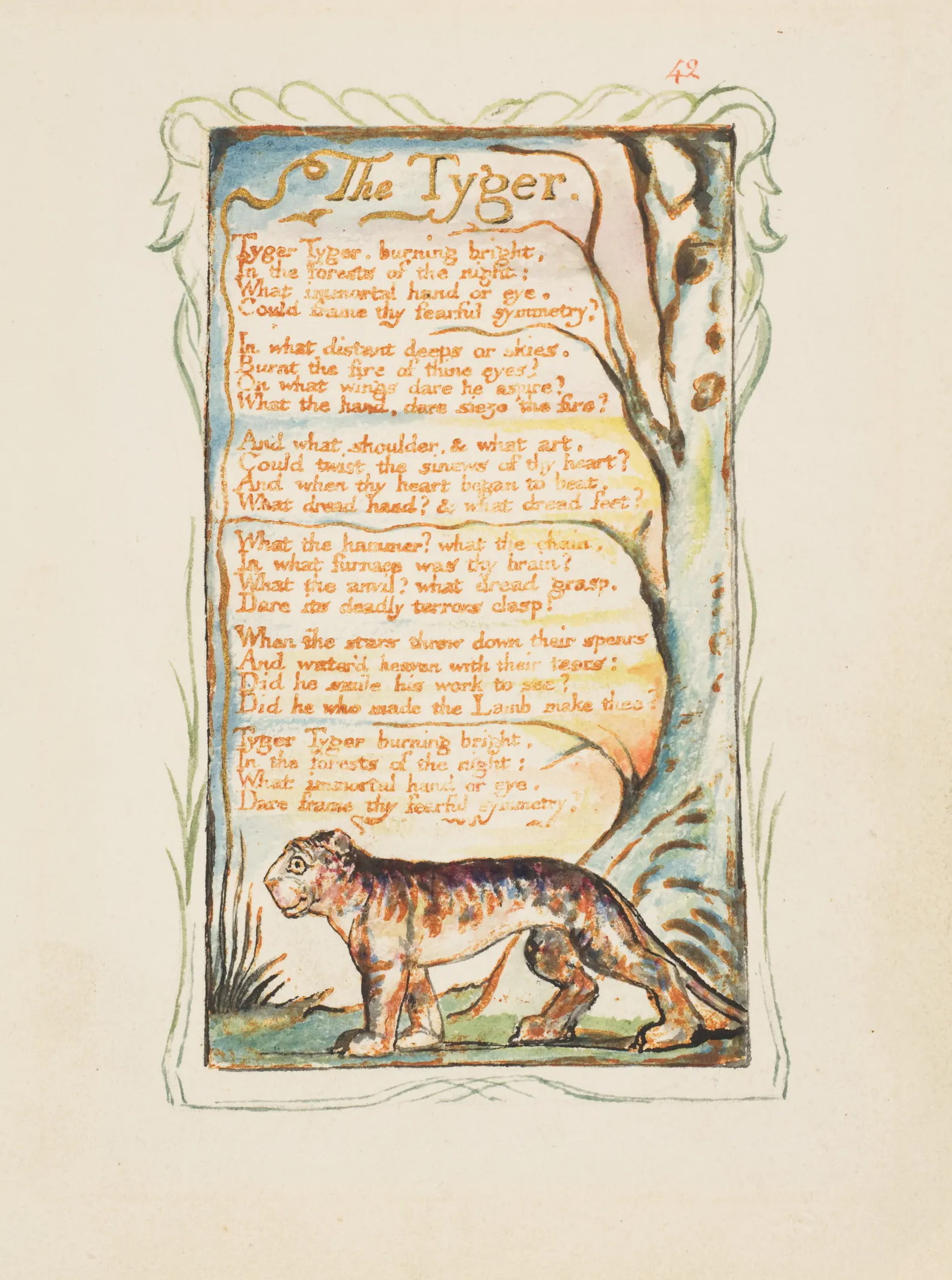
Songs of Experience: The Tyger, Copy Y, plate 42
[1794], printed ca. 1825 · The Metropolitan Museum of Art · 17.10.42
Public Domain / Open Access (CC0)
Resized to 1584 pixels wide and converted to WebP; no crop.
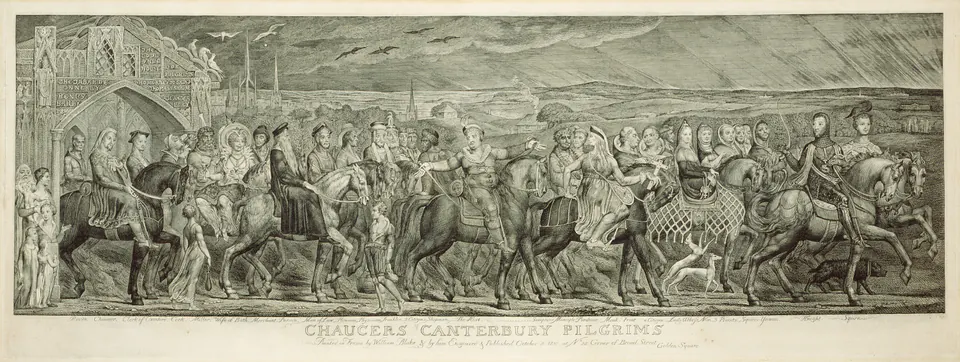
The Canterbury Pilgrims
1810 · Art Institute of Chicago · 1991.613
CC0 Public Domain Designation
Resized to 960 pixels wide and converted to WebP; no crop.

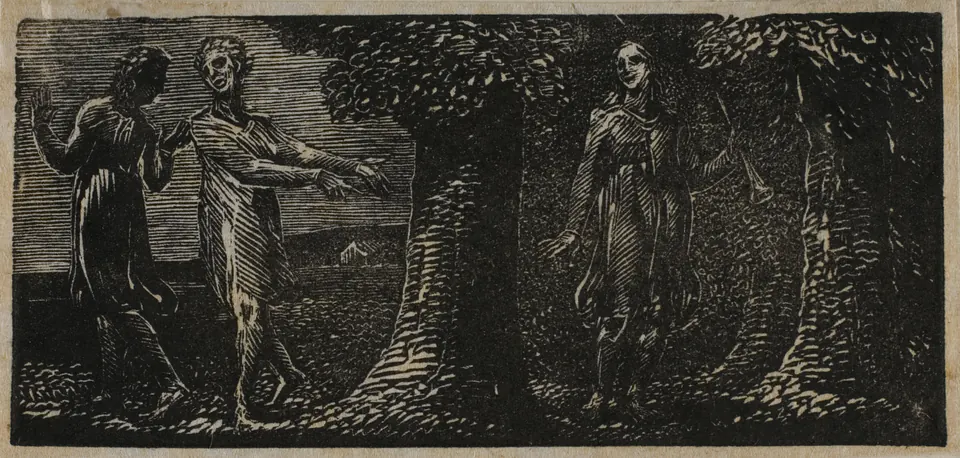
Colinet Mocked by Two Boys, from The Pastorals of Virgil
1821 · Art Institute of Chicago · 1934.61
CC0 Public Domain Designation
Resized to 960 pixels wide and converted to WebP; no crop.

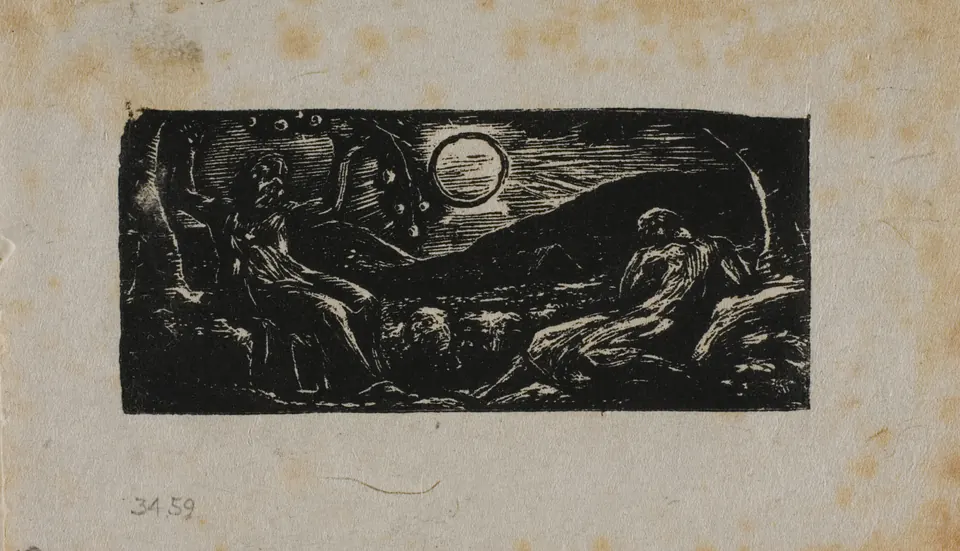
Thenot Under Fruit Tree, from The Pastorals of Virgil
1821 · Art Institute of Chicago · 1934.59
CC0 Public Domain Designation
Resized to 960 pixels wide and converted to WebP; no crop.

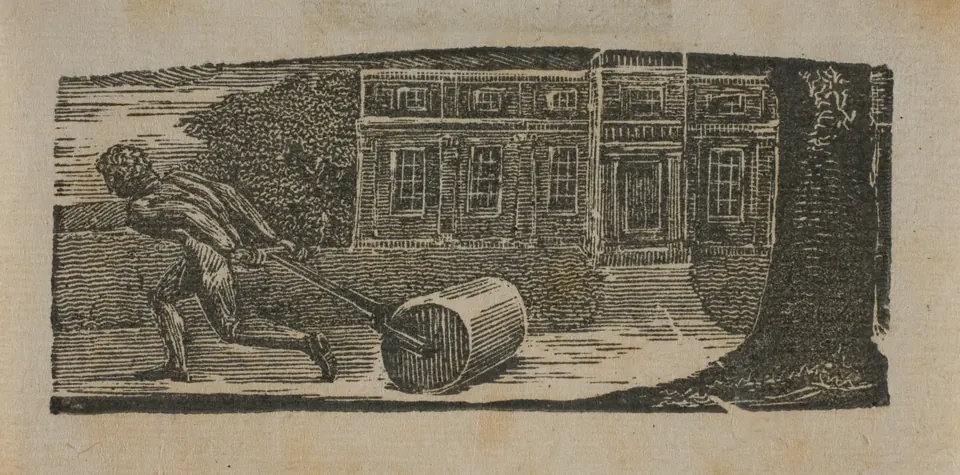
A Rolling Stone Is Ever Bare of Moss, from The Pastorals of Virgil
1821 · Art Institute of Chicago · 1934.66
CC0 Public Domain Designation
Resized to 960 pixels wide and converted to WebP; no crop.

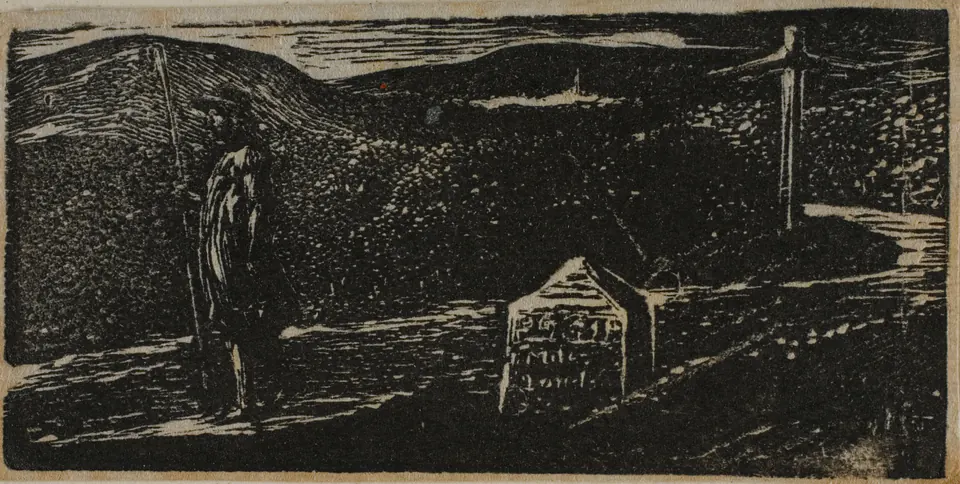
Colinet’s Journey: Milestone Marked LXII Miles to London
1821 · Art Institute of Chicago · 1934.65
CC0 Public Domain Designation
Resized to 960 pixels wide and converted to WebP; no crop.

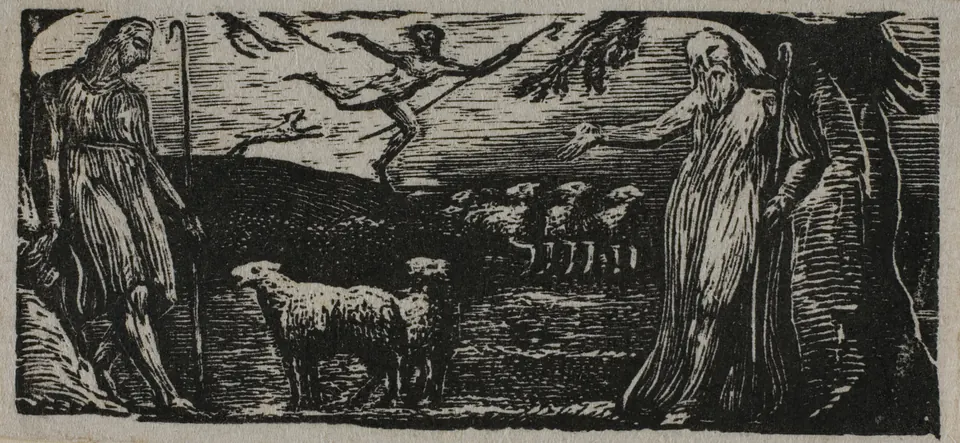
Thenot Remonstrates with Colinet, Lightfoot in Background
1821 · Art Institute of Chicago · 1934.60
CC0 Public Domain Designation
Resized to 960 pixels wide and converted to WebP; no crop.

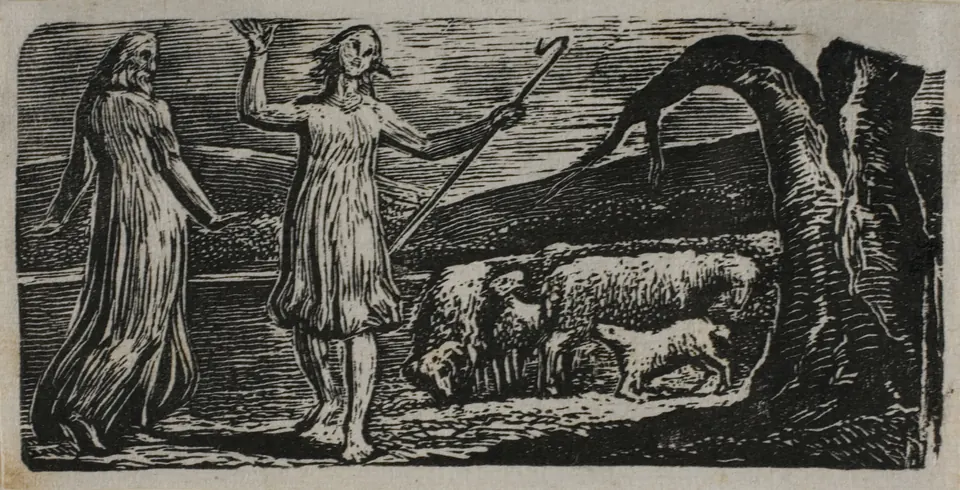
Colinet Departs in Sorrow: Riven Trunk at Right
1821 · Art Institute of Chicago · 1934.68
CC0 Public Domain Designation
Resized to 960 pixels wide and converted to WebP; no crop.

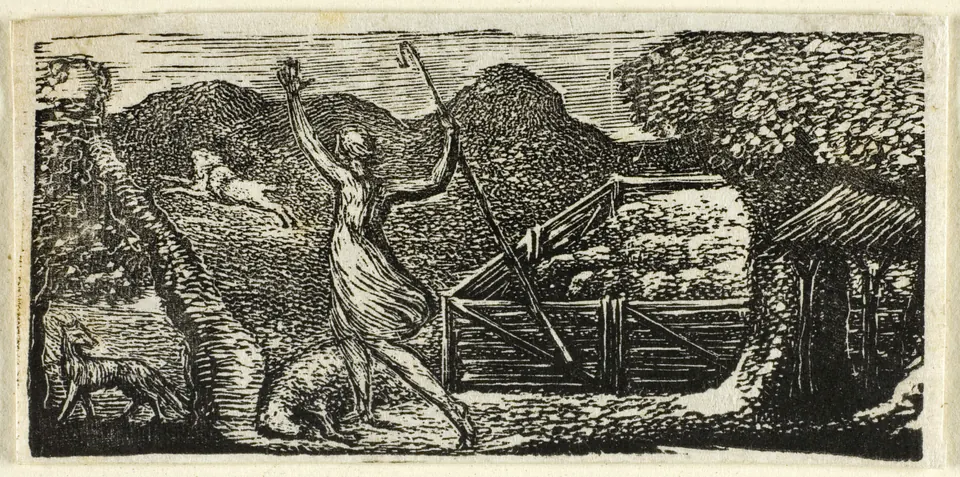
Shepherd Chases Away Wolf, from The Pastorals of Virgil
1821 · Art Institute of Chicago · 1934.63
CC0 Public Domain Designation
Resized to 960 pixels wide and converted to WebP; no crop.

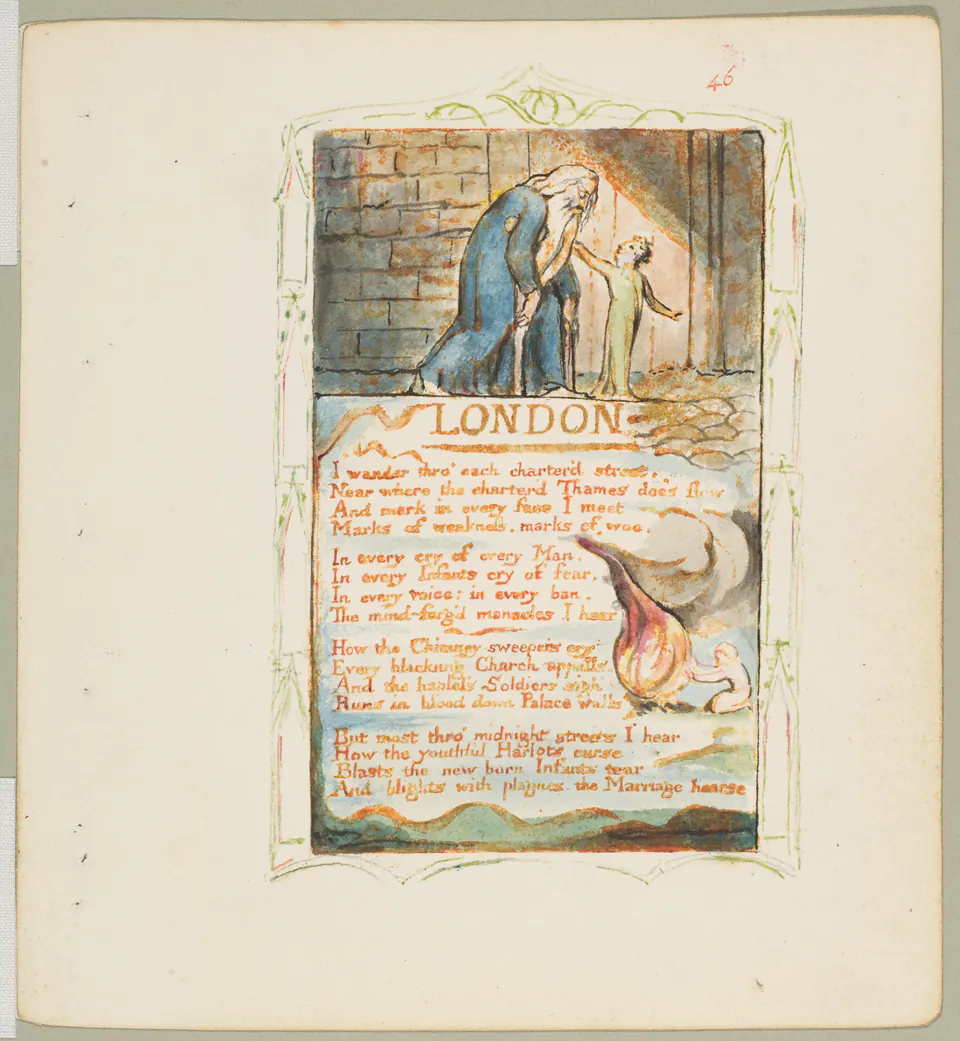
Songs of Experience: London, Copy Y, plate 46
[1794], printed ca. 1825 · The Metropolitan Museum of Art · 17.10.46
Public Domain / Open Access (CC0)
Resized to 960 pixels wide and converted to WebP; no crop.
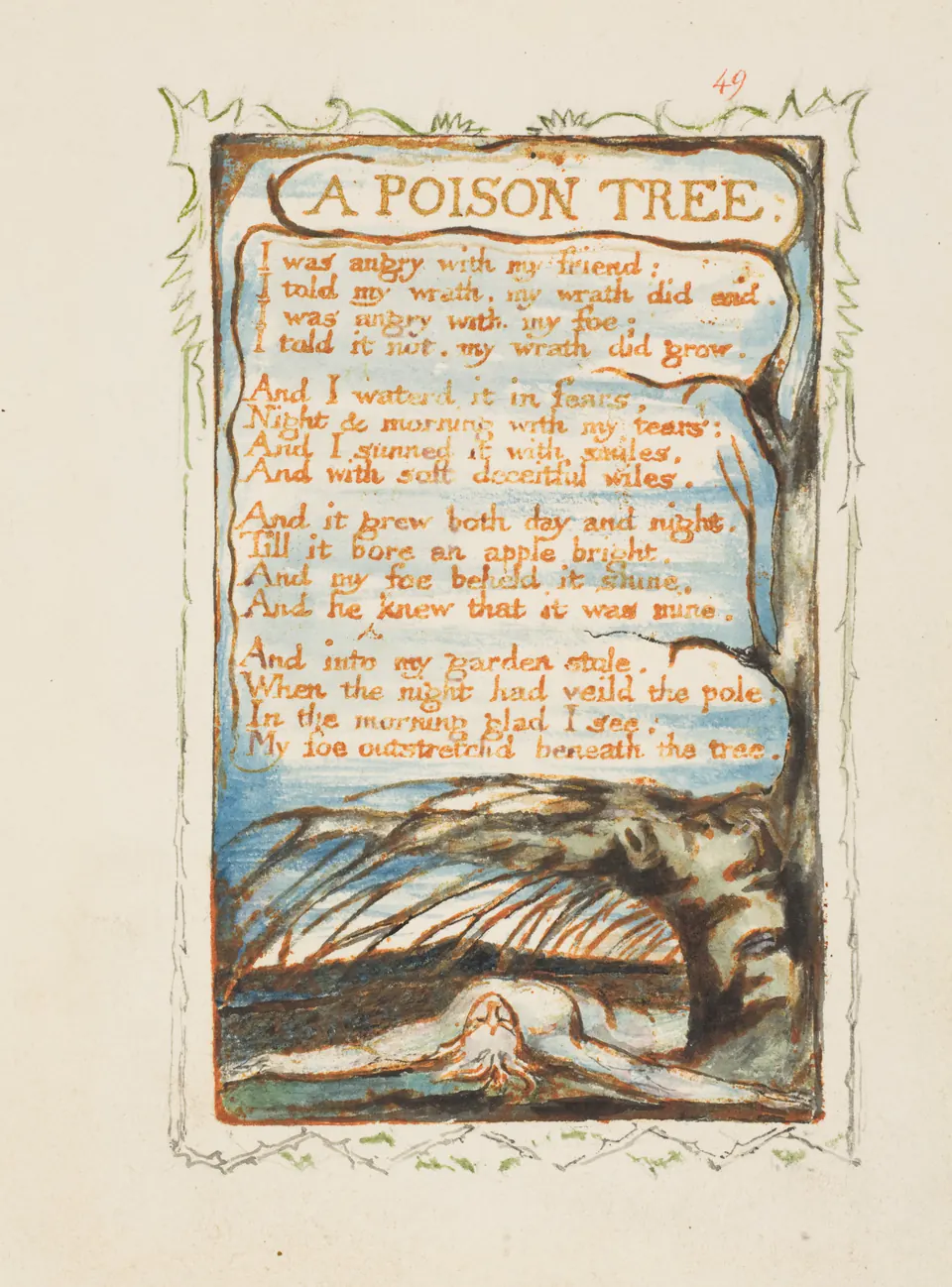
Songs of Experience: A Poison Tree, Copy Y, plate 49
[1794], printed ca. 1825 · The Metropolitan Museum of Art · 17.10.49
Public Domain / Open Access (CC0)
Resized to 960 pixels wide and converted to WebP; no crop.
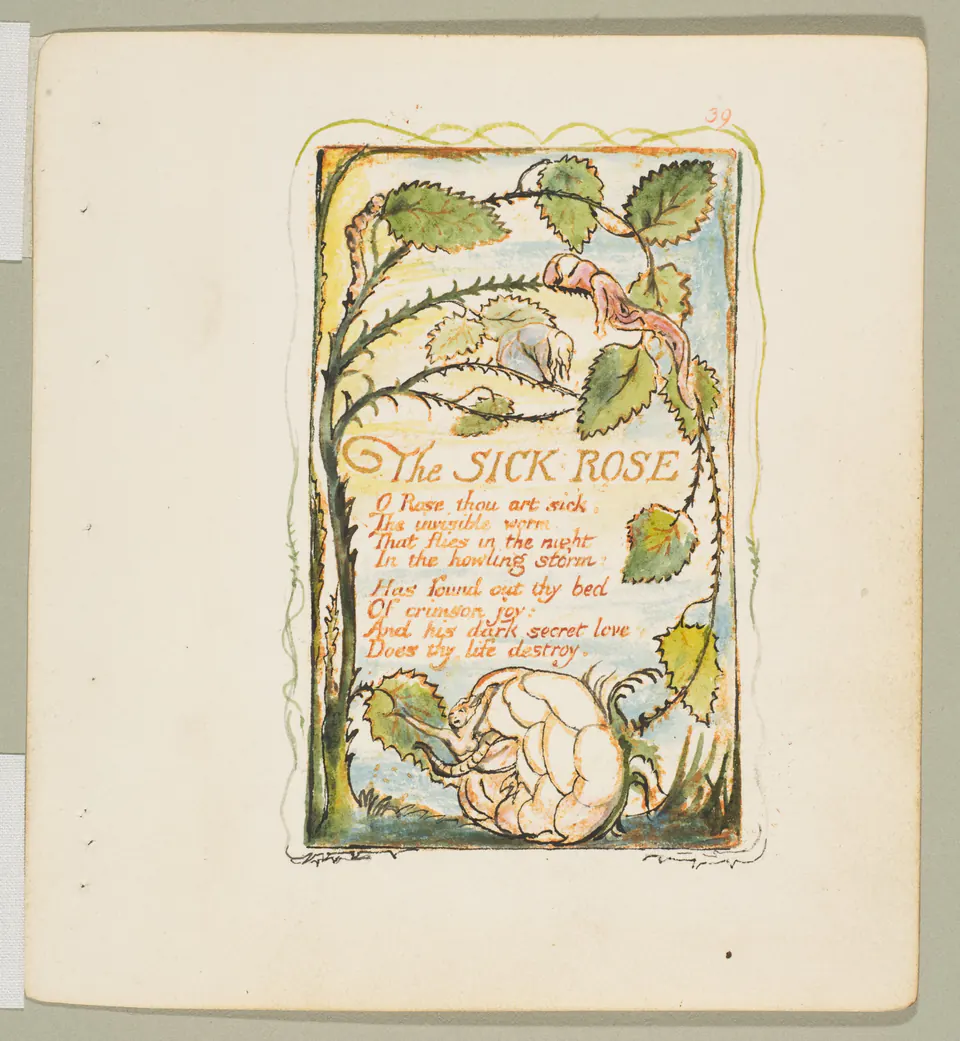
Songs of Experience: The Sick Rose, Copy Y, plate 39
[1794], printed ca. 1825 · The Metropolitan Museum of Art · 17.10.39
Public Domain / Open Access (CC0)
Resized to 960 pixels wide and converted to WebP; no crop.
Sources and review method
We checked the artist chronology against museum records, treated each named jurisdiction separately, and recorded the provider policy for the image set. These sources support the legal framework and artist dates used above; the source file for any individual image still needs its own record.
- Songs of Experience: The Tyger — The Metropolitan Museum of Art. Feature page identity, Copy Y and plate number, work and printing dates, ink, hand-colouring, accession, and Public Domain Open Access status.
- Image and Data Resources — The Metropolitan Museum of Art. The Met makes images marked Public Domain available for unrestricted use under its Open Access programme.
- The Canterbury Pilgrims — Art Institute of Chicago. Separate-print identity, creator, date, accession, dimensions, object context, and CC0 Public Domain Designation.
- Open Access Images — Art Institute of Chicago. Files labelled CC0 Public Domain Designation may be reused for commercial and non-commercial purposes.
- An Inquiry into William Blake’s Method of Color Printing — William Blake Archive / Blake: An Illustrated Quarterly. Scholarly account of relief-etched illuminated printing, coloured ink, colour printing, hand-colouring, registration, copy variation, and facsimiles.
- Blake’s Relief-Etching Method — William Blake Archive / Blake: An Illustrated Quarterly. Technical context for relief etching and the material relationship between words, images, plate, ink, and paper.
- Directive 2006/116/EC, Article 1 — EUR-Lex. The EU term for an artistic work is the author’s life plus 70 years.
- How long copyright lasts — UK Government. UK guidance gives 70 years after the author’s death for artistic works.
- Law No. 5846 on Intellectual and Artistic Works, Article 27 — WIPO Lex. The Turkish economic-rights term is the author’s life plus 70 years.
- Circular 15A: Duration of Copyright — U.S. Copyright Office. The 2026 term table places works published before 1931 outside the maximum 95-year publication term.
- Certain Unpublished, Unregistered Works Enter Public Domain — U.S. Copyright Office. Older unpublished works have a separate U.S. term analysis; discovery and first-publication history can matter.
- 17 U.S.C. Chapter 3, including §303 — U.S. Copyright Office. Section 303 states the transition rules and minimum 2002 or 2047 expiry floors for works that were unpublished on 1 January 1978.
- Visual Artists: Publication — U.S. Copyright Office. Distribution can publish a visual artwork, while public display by itself does not establish publication.
- Compendium of U.S. Copyright Office Practices, Chapter 900, §909.3(A) — U.S. Copyright Office. A purely faithful scan or “slavish copy” does not add registrable authorship, while substantial restoration or alteration can require a separate analysis.
- Copyright notice: digital images, photographs and the internet — UK Intellectual Property Office. A digital image can require a separate rights and website-terms check even when its subject is old.
Editorial record
About this article
- Author
- Publisher
- GeMarkt
- Published
- Reviewed
- Internal source & rights check. Conducted by GeMarkt Research Review. This is an internal editorial check—not independent peer review.
- Source standard
- Rights guide source standardSeparates the underlying work from the source file, records the review date, and links the evidence used for the conclusion.
Found a claim that needs checking? Report a factual error.