Skip to content
GeMarkt

Process

The pipeline

Seven stages, each a working application we built. A person moves the work between them — deliberately, at every point where money or copyright is at stake.

  1. 01

    Source

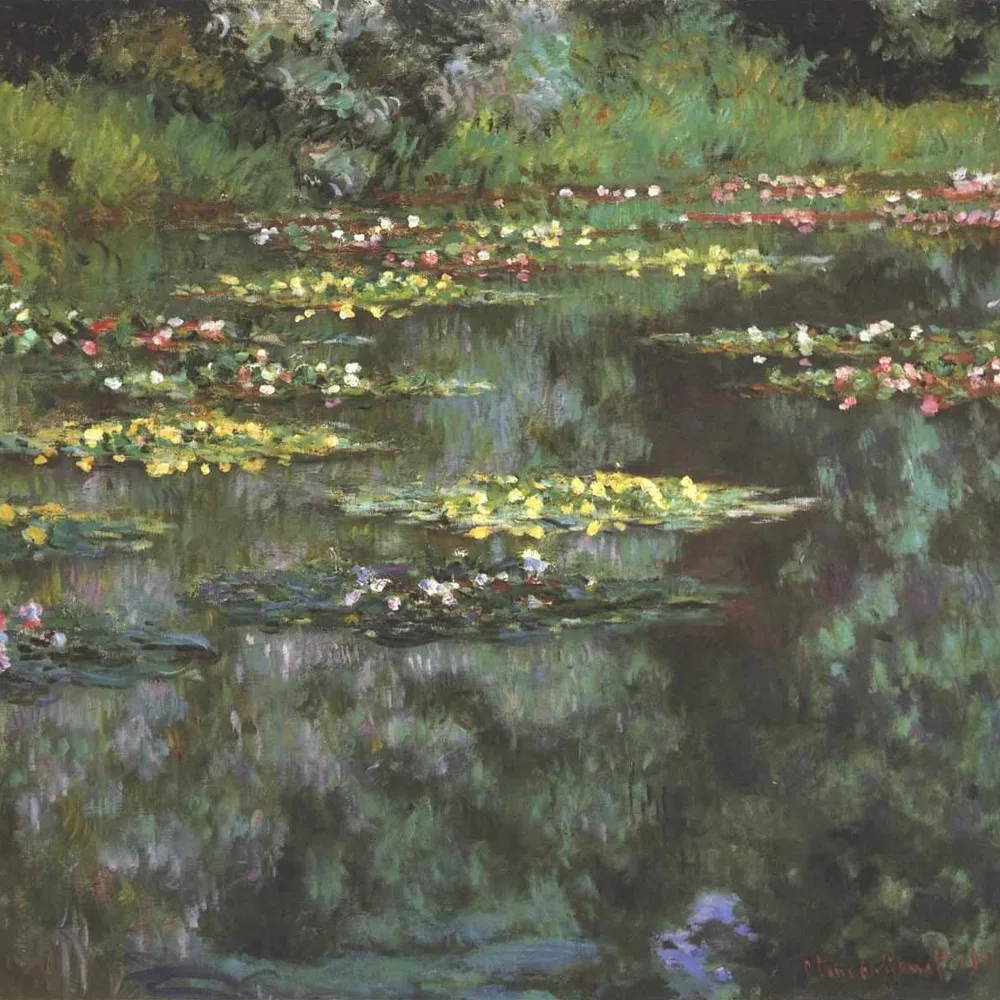
    High-resolution scans pulled from public-domain archives — Artvee, Wikimedia Commons, WikiArt, Google Arts & Culture. Our downloader reconstructs the maximum-resolution asset rather than settling for the web preview.

  2. 02

    Copyright gate

    Public-domain status is confirmed before any high-resolution file is allowed into production. Decisions live in a central database fed by real platform takedown history, so a work that caused a problem once cannot quietly return. Review happens on low-resolution proofs; only cleared works get their production file.

  3. 03

    Restoration

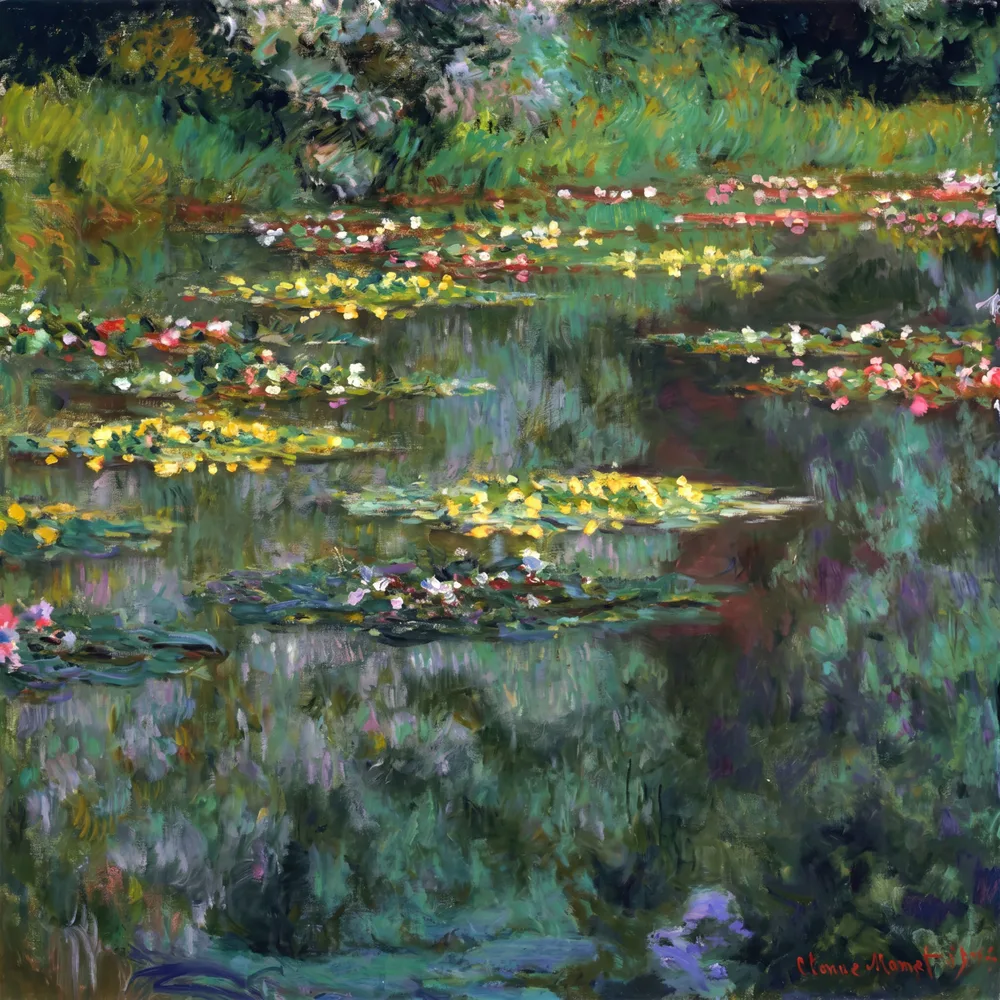
    Batch restoration through an image model: damage, glare, frame edges and perspective corrected. The model is instructed never to invent content — where an artwork must be located within a photograph, the model returns coordinates and our code performs the crop. It does not paint pixels.

  4. 04

    Quality

    Two restoration engines race on the same artwork — one manual, one automated — and a person picks the winner without knowing which output is which. We have judged 1,975 pairs this way. The automated path has won 83.6% of the 1,138 decided so far, which is the sort of thing you only learn by measuring.

  5. 05

    Triage

    Not every restored work deserves a listing. An AI pass scores sellability and sorts works into keep, borderline, and reject. Its weights were calibrated by analysing 92 real decisions we had already made.

  6. 06

    Listing

    A language model drafts titles, tags and descriptions under a forced schema, then deterministic code cleans up after it — enforcing the platform's limits without ever mangling a title or a tag. The model proposes; the rules decide.

  7. 07

    Distribution

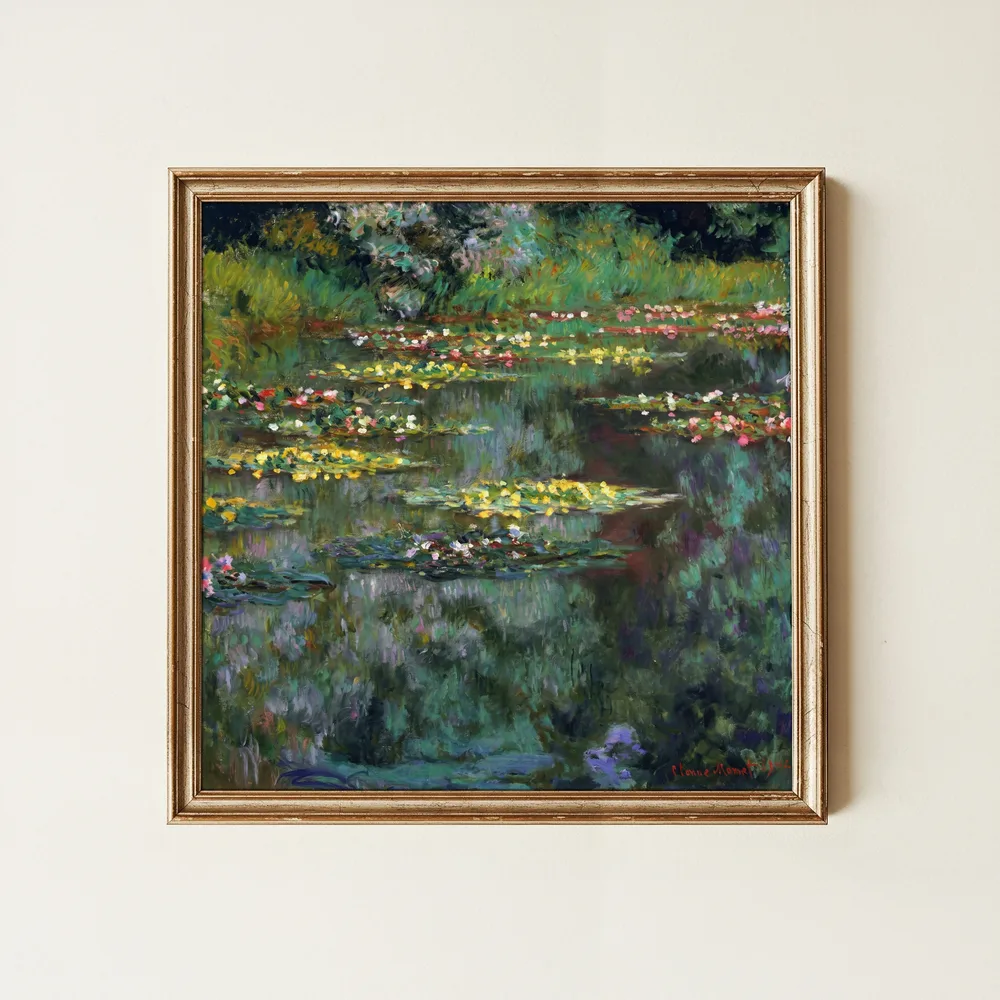
    Print-on-demand products are configured and pushed as drafts. Nothing auto-publishes. Our uploader has no code path that makes a listing live — that is a human keystroke, every time.

Each stage is a working application we wrote and operate ourselves. The engineering principles behind them are on thehome page, and the measurements they produce are in thejournal.