GeMarkt Journal · Practical guide
Is Berthe Morisot Public Domain? A Work-and-File Guide
Morisot's named works are public domain in the markets checked here, but U.S. publication, attribution, print-impression, and exact-file evidence still matter.
Rights check · reviewed
The short answer
Yes—for the 12 named paintings, drawings and print impressions documented here in the European Union, United Kingdom, Türkiye and United States. The exact work, physical object or impression, and AIC or Cleveland file remain separate records.
| What is being checked | Result | Why |
|---|---|---|
| European Union & United Kingdom | Public domain | Morisot died in 1895, well beyond the ordinary life-plus-70 term for artistic works. |
| Türkiye | Public domain | Türkiye also applies a life-plus-70 economic-rights term. Morisot’s established works are beyond it. |
| United States | Clear for the 12 documented works and impressions below | The selected objects have pre-1931 sale, transfer, reproduction, lifetime-printing or accession evidence. A different private work still needs its own publication history checked. |
| Museum image or download | Check the exact file | The old work, one painting or impression, its institutional photograph or scan, and a local derivative must not be collapsed into one rights claim. |
This guide clears a named, long-published set. It does not make a worldwide claim or automatically clear family papers, a newly attributed work, a posthumous print, a restoration or a file supplied by another provider.
This is a documented research summary, not legal advice. Copyright and moral-rights rules can vary by country and by the history of a particular work.

What we’ll look at
When can a Berthe Morisot work be reused, and how do publication, authorship, sitter identity, print impressions, and exact files change the answer?
The practical answer is yes for the 12 Berthe Morisot works, objects, print impressions, and institutional files documented here—not automatically for every image labelled with her name. Morisot died in 1895, placing her established works beyond ordinary economic copyright terms in the European Union, United Kingdom, and Türkiye. The named U.S. set also carries pre-1931 sale, transfer, reproduction, lifetime-printing, or accession evidence.
The artist’s name can appear in several roles: maker, sitter, mother, sister-in-law, owner, or subject of later scholarship. A useful rights answer must therefore ask:
- Is the work actually by Berthe Morisot?
- What evidence supports its publication or distribution history in the United States?
- Which physical painting, drawing, print state, or impression does the image show?
- Is the exact digital file affirmatively reusable under the provider’s current statement?
This guide is a research summary, not legal advice. It covers named works, files, and territories rather than making a worldwide declaration.
The short answer is yes for the named set
The rights ledger contains six Art Institute of Chicago records and six Cleveland Museum of Art records. Every selected file carries a CC0 Public Domain Designation. The set combines paintings, works on paper, and rare graphic work so that the answer rests on processed evidence rather than a list of famous titles.
The U.S. basis is item-specific. The AIC provenance for Woman at Her Toilette records a New York auction in 1896 and illustrated publication in 1903 and 1907. Girl Plaiting her Hair was sold through Bernheim-Jeune in 1925 and reproduced that year. AIC print impressions entered the institution in 1921 and 1922, and Seated Girl (Julie Manet) entered in 1923.
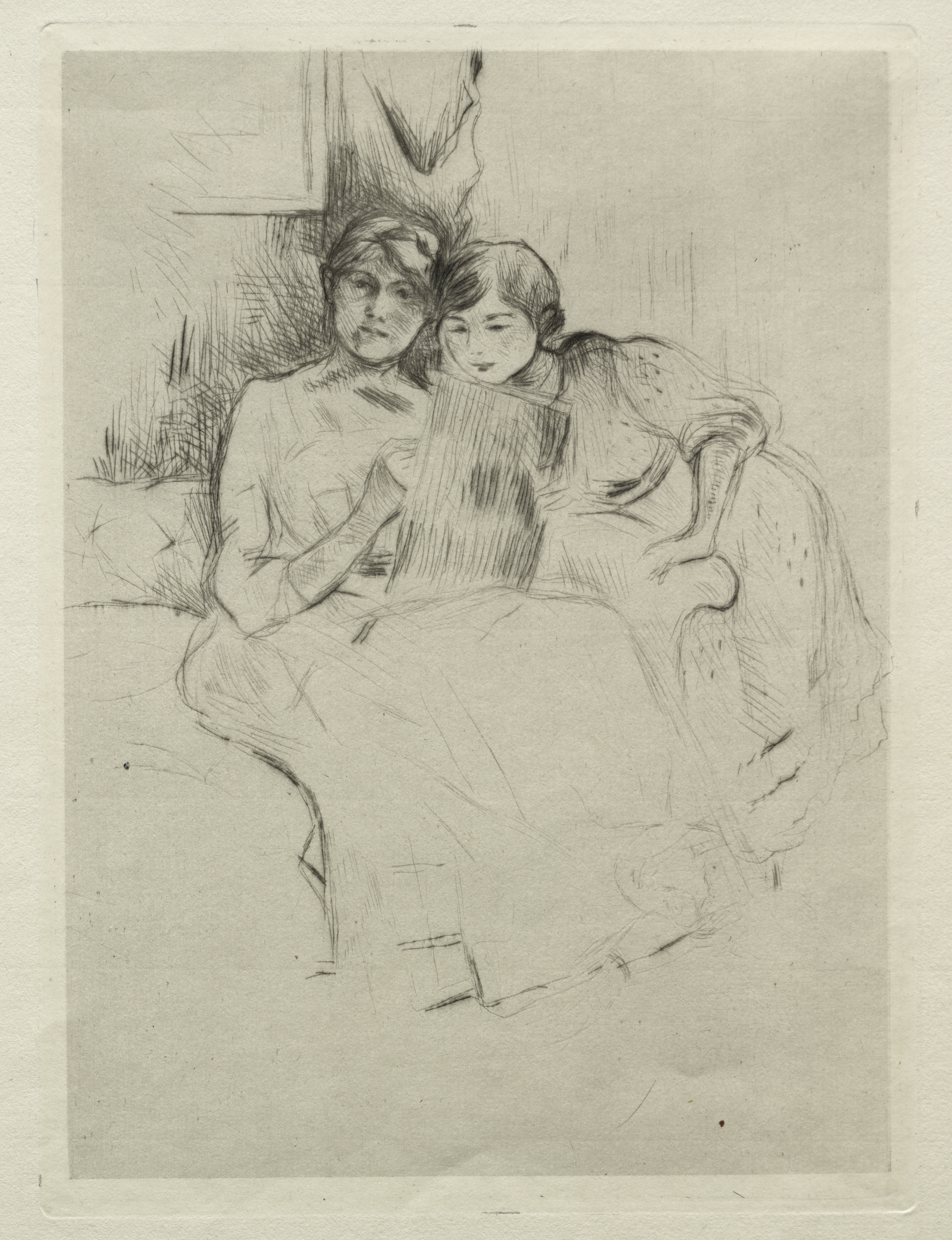
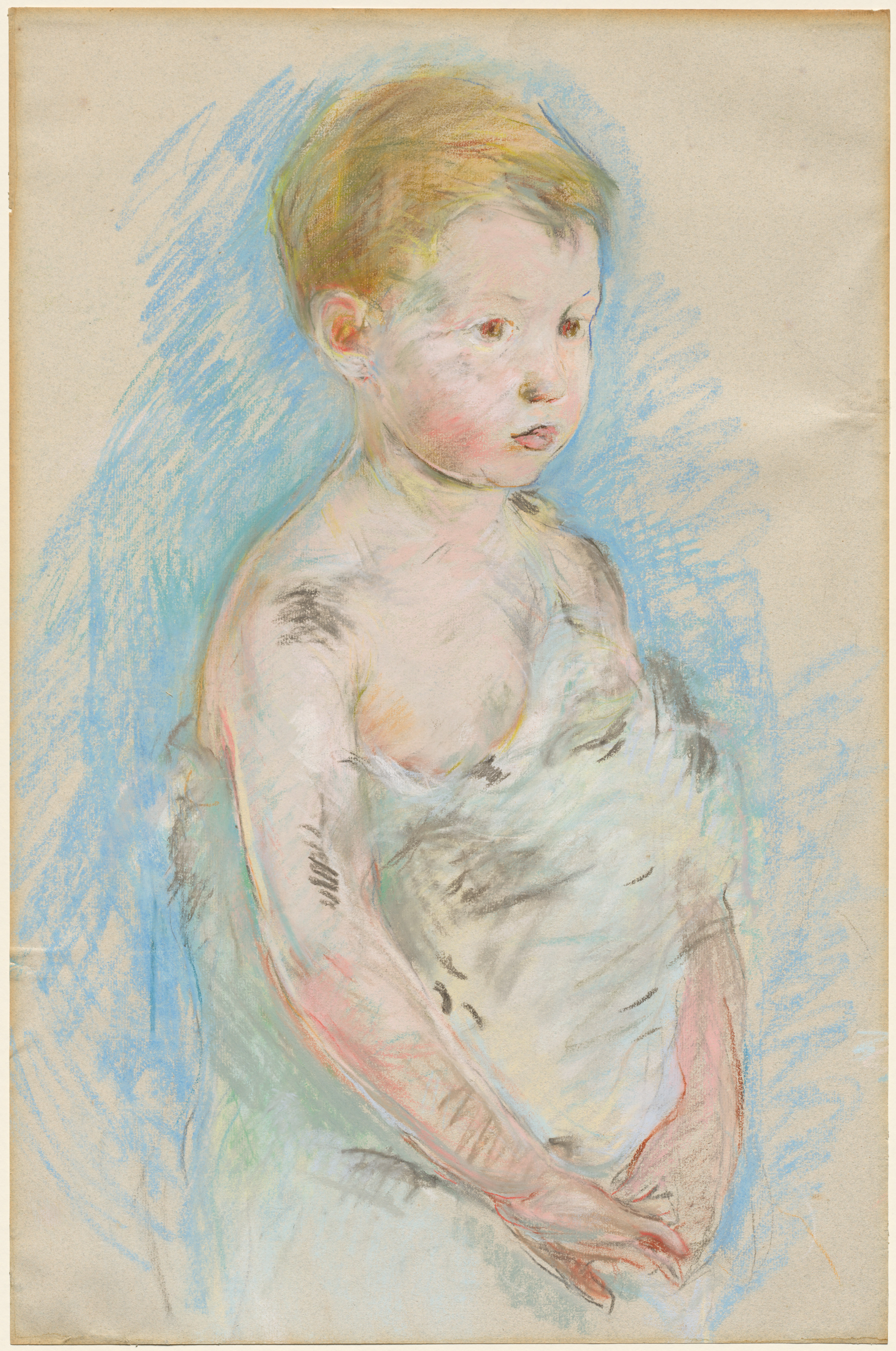
Cleveland’s The Drawing Lesson entered the collection in 1925. Its record describes Morisot’s 1887–89 printmaking experiments. The Cleveland record for Young Saint John traces the pastel through Durand-Ruel in 1896 and records reproductions in 1908 and 1925. Cleveland also explains that Morisot printed only a few impressions of each of her eight etchings during her lifetime; the selected duck, swan, and reclining-woman sheets are treated as specific impressions, not as interchangeable pictures.
The conclusion does not automatically include:
- a work in family papers whose publication chronology is unknown;
- a portrait of Morisot made by Édouard Manet or another artist;
- an object described as “attributed to,” “after,” or “circle of Morisot”;
- a posthumous impression, restrike, facsimile, or later edition with incomplete printing history;
- an X-radiograph, infrared image, conservation composite, restored scan, book page, or commercial download;
- a work by Julie Manet, Eugène Manet, or another family member merely catalogued near Morisot.
The clearance belongs to the named chain of work, object, file, and provider.
Life plus 70 markets are clear
Article 1 of the EU term directive, UK government copyright guidance, and Article 27 of Türkiye’s Law No. 5846 each use an ordinary life-plus-70 framework for artistic works. Morisot died in 1895.
| Market checked | Ordinary rule applied | Result for Morisot’s established works |
|---|---|---|
| European Union | author’s life plus 70 years | public domain |
| United Kingdom | 70 years after the creator’s death | public domain |
| Türkiye | life plus 70 years for economic rights | public domain |
This answer concerns Morisot’s established sole-authored work. It does not erase authorship in a later photograph, restoration, edition, catalogue, translation, or layout. Nor does it resolve attribution, moral rights, trademarks, or implied museum endorsement.
Where a record names a printer, co-author, or posthumous edition, preserve that fact and check the additional contribution. The age of Morisot’s design cannot be used to erase a later maker.
The US answer is limited to a documented set
U.S. analysis does not follow automatically from Morisot’s 1895 death. Copyright Office Circular 15A organises many older terms by publication date. In 2026, a work published before 1 January 1931 is beyond the maximum 95-year publication term.
Copyright Office guidance says that distributing an original or copies can publish a visual work, while public display alone does not. Morisot’s participation in the Impressionist exhibitions is important art history, but an exhibition date is not used here as a rights shortcut.
The selected records instead rely on:
- an auction or dealer sale of the original;
- documented transfer to an owner or institution;
- an illustrated pre-1931 publication;
- a print made in Morisot’s lifetime and a named physical impression;
- a museum accession completed before 1931.
The unpublished-work fork remains open outside the set. Under 17 U.S.C. §303, a pre-1978 work that was still unpublished on 1 January 1978 follows transition rules; if it was first published between 1978 and the end of 2002, protection can continue through 2047. A sketch that stayed in private papers can therefore need a different answer from a painting sold in 1896.
For the 12 reviewed objects, the evidence supports a clear result. A new thirteenth object must earn that conclusion independently.
Berthe Morisot as maker is not Berthe Morisot as sitter
Search results often place Morisot’s name beside portraits made by Édouard Manet. Berthe Morisot with a Bouquet of Violets, Repose, and other images may depict her while being works by Manet. The sitter’s identity does not transfer authorship.
The reverse distinction also matters. In Morisot’s Reading, her sister Edma is the sitter; in Seated Girl and several prints, Julie Manet appears. Those works remain authored by Morisot. A caption should keep the maker, sitter, title, and institution in separate fields.
Family names can introduce further confusion:
- Eugène Manet, Morisot’s husband, was Édouard Manet’s brother;
- Julie Manet was Morisot’s daughter, model, diarist, collector, and later owner of works;
- Ernest Rouart, Julie’s husband, belonged to another artistic family and appears in provenance;
- later catalogue authors and photographers created their own texts and images.
These relationships help reconstruct provenance but do not create a shared “Manet–Morisot public-domain collection.” Rights follow the authored contribution and the exact object or file.
Rare prints require impression-level records
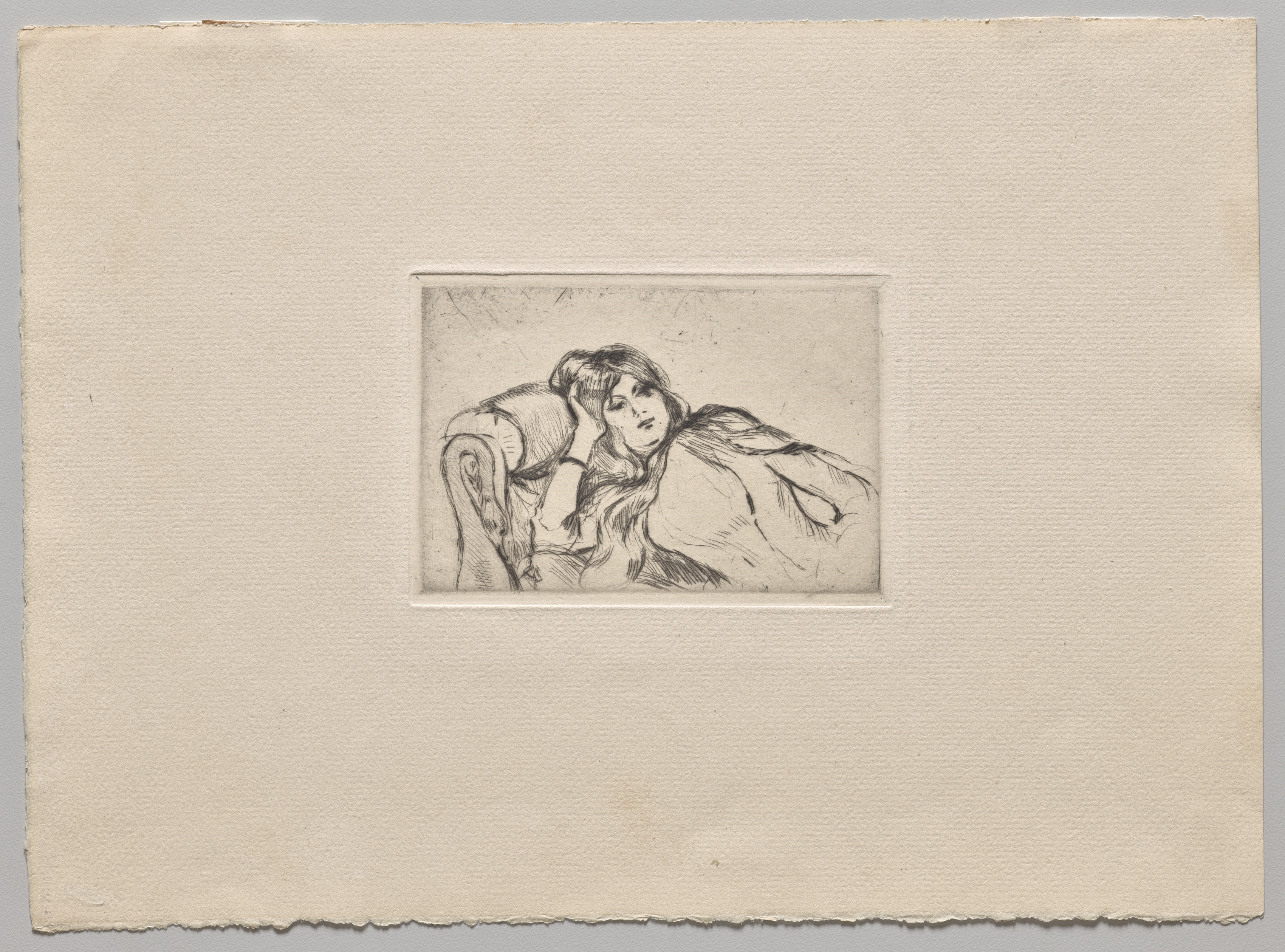
Cleveland’s record for Young Woman at Rest states that Morisot created only eight etchings and printed each in a few impressions during her lifetime. Scarcity makes impression-level accuracy more important, not less.
The AIC and Cleveland both hold a drypoint titled Young Woman at Rest. The composition is related, but the institutions catalogue different physical sheets with different accessions, scans, dimensions, tones, margins, and condition. This guide includes both to make that distinction visible.
For a Morisot print, retain:
- design title and date;
- technique and matrix;
- state, proof, edition, and lifetime or posthumous printing status;
- printer, publisher, ink, paper, sheet boundaries, and inscriptions where known;
- institution, accession, object URL, exact scan, and provider statement.
Do not transfer a “lifetime impression” label from one sheet to another because the line image looks alike. If the printing date is unknown, say so and verify before commercial release.
Is Reading public domain?
Yes—the 1873 Berthe Morisot painting is public domain in the EU, UK, Türkiye, and United States under the named-work analysis used here. The exact Cleveland image is separately reusable under its CC0 statement.
Cleveland identifies Morisot as artist, the title Reading, the 1873 date, oil-on-canvas medium, and accession 1950.89. Its provenance records early private ownership and Gabriel Thomas as owner by 1929. The museum also documents an X-ray examination that revealed a change to the sitter’s eyes.
That technical note illustrates the file boundary. The ordinary collection photograph selected here is covered by Cleveland’s CC0 Open Access programme. An X-radiograph or conservation comparison is a different capture and cannot inherit the file clearance without its own endpoint and provider status.
The local feature master came from Cleveland’s exact Open Access JPEG. It was resized to 1600 pixels wide, converted to WebP, and not cropped. Its checksum and responsive renditions are locked. Another photograph of the same canvas requires another record.
Exact files and technical images need separate clearance
The U.S. Copyright Office’s visual-arts compendium says that a purely faithful scan or “slavish copy” lacks new registrable authorship, while a sufficiently original restoration or alteration may differ. Other countries can set different originality thresholds, and contractual or access terms can remain relevant.
For every selected file, the ledger preserves:
- the institutional object record;
- the exact AIC IIIF or Cleveland Open Access JPEG URL;
- the provider’s CC0 status;
- the physical accession or print impression shown;
- local dimensions and, for the feature, a checksum;
- resize, crop, colour, restoration, compositing, or AI-assisted changes.
Technical imaging must be identified rather than disguised as an ordinary reproduction. Infrared, ultraviolet, X-ray, raking-light, stitched macro, pigment-map, and reconstructed-colour files can be created under separate projects and terms.
If a file cannot be traced back to its object and provider statement, replace it with one that can.
Twelve CC0 files form the published set
The 12 records below the article are the editorial and production boundary. Six come from the AIC and six from Cleveland. They include Woman at Her Toilette, two different Young Woman at Rest impressions, The Drawing Lesson, Young Saint John, Reading, works featuring Julie Manet, and animal studies.
Every record stores a distinct accession, object URL, exact source-file URL, rights label, local WebP, dimensions, alt text, and transformation. The smaller AIC source for Seated Girl was converted without enlargement; the ledger says so instead of inventing resolution.
Automated tests require exactly six records from each institution, 12 unique files and accessions, valid WebP dimensions, a feature that belongs to the set, and an unchanged feature checksum. Deterministic Journal renditions make the feature responsive without altering its object identity.
This file set supports the article. It does not claim that GeMarkt sells a Morisot print, provides a Morisot download, or operates a Morisot collection.
A commercial reuse checklist
Before a Morisot image enters a product, publication, campaign, or download, verify:
- Maker versus sitter. Berthe Morisot is the author, not merely the person portrayed or named in provenance.
- U.S. chronology. Sale, transfer, reproduction, edition, or accession evidence supports publication; exhibition alone is not the shortcut.
- Section 303. A private or formerly unpublished work was not first published in 1978–2002 without checking the possible 2047 floor.
- Object or impression. Medium, state, lifetime or posthumous printing, support, accession, and side match the image.
- Exact file. The production master came from the recorded AIC or Cleveland endpoint.
- Provider status. The chosen file still carries the CC0 or public-domain statement relied on here.
- Technical and creative layers. Conservation imaging, restoration, photography, typography, translation, and layout are separately cleared.
- Presentation. Museum and family names do not imply sponsorship, and no product or collection is advertised unless it exists.
If any field is missing, return to the object record. Public domain is not a free-for-all explains why provenance, attribution, privacy, trademarks, provider terms, and platform rules remain relevant.
Where Morisot fits inside GeMarkt
The Journal’s Impressionism chapter examines the movement through exhibitions, modern life, labour, leisure, and the rebuilt city. Morisot’s works expose an additional question: how access, gender, domestic space, professional networks, and critical reception shaped what could be painted and seen.
This rights guide stays focused on production evidence. How to research an artwork shows how to build the object and source map; provenance, attribution, and restitution explains why ownership and maker wording must remain revisable.
There is no Morisot collection, wallpaper room, download, or product on GeMarkt at publication time. The current wallpaper library and shop are general destinations, not Morisot inventory. The guide publishes because the legal framing, 12 object/file chains, processed images, and validation gates are complete.
Rights-checked image ledger
A documented starting set
These files were selected from the holding institutions rather than from search-result copies. Each card keeps the artwork record, exact source file, provider statement and GeMarkt transformation visible as separate facts.
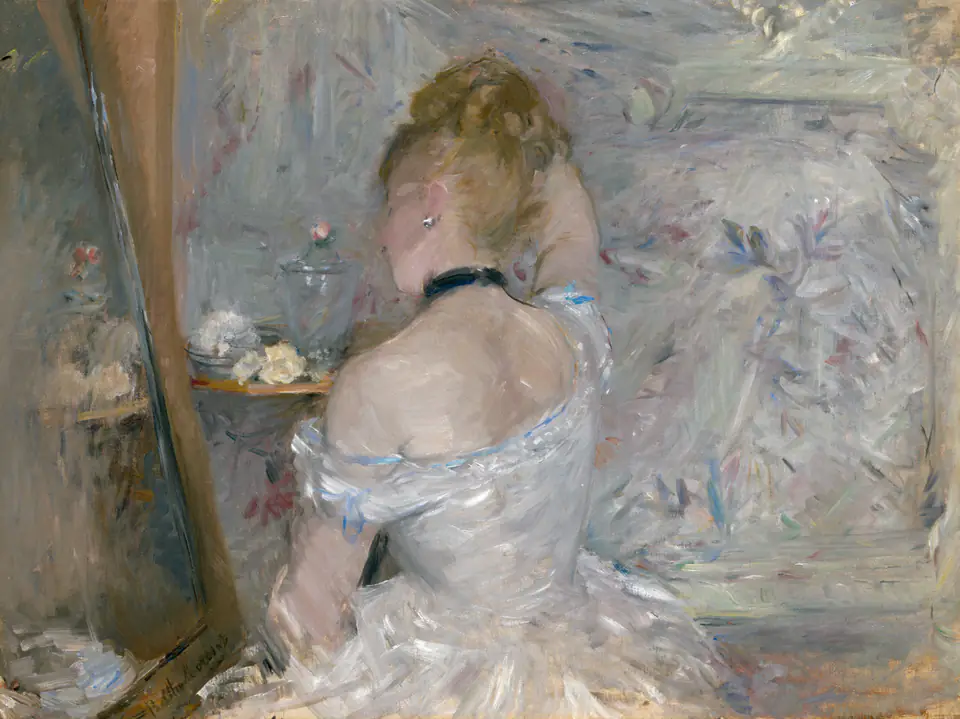
Woman at Her Toilette
1875–80 · Art Institute of Chicago · 1924.127
CC0 Public Domain Designation
Resized to 960 pixels wide and converted to WebP; no crop.

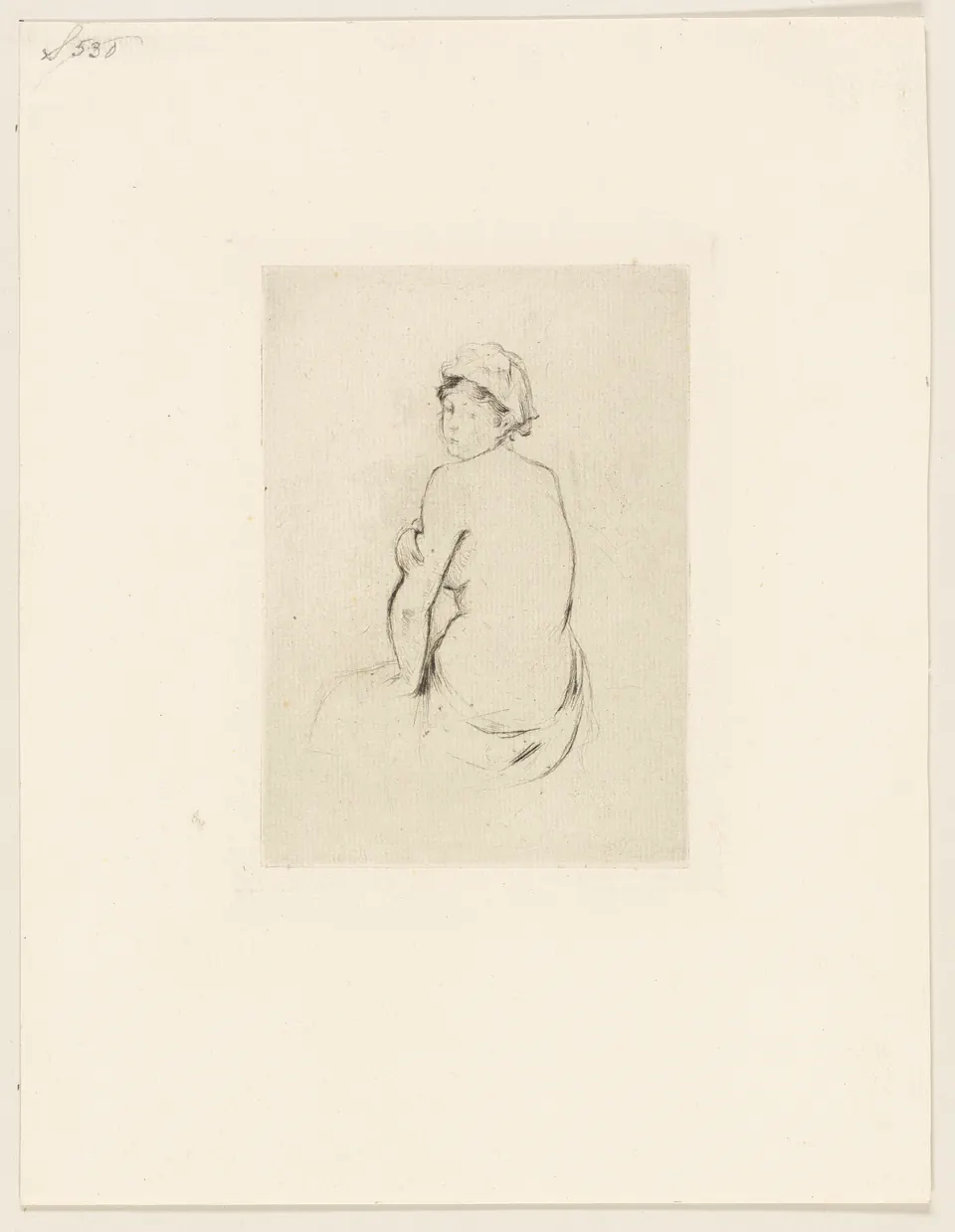
Nude Seen from Behind
1889 · Art Institute of Chicago · 1922.4484
CC0 Public Domain Designation
Resized to 960 pixels wide and converted to WebP; no crop.

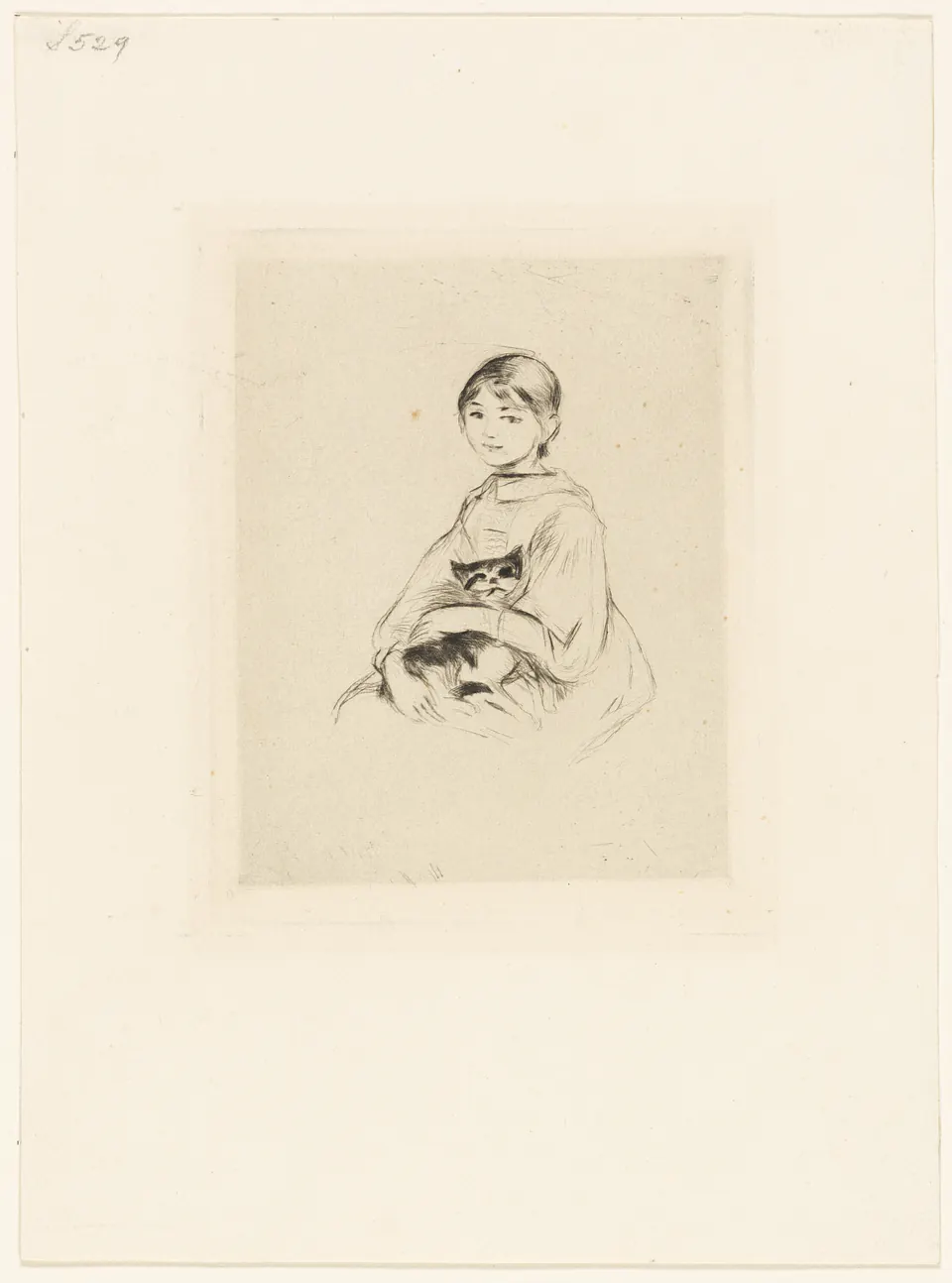
Young Girl with a Cat
1889 · Art Institute of Chicago · 1922.4483
CC0 Public Domain Designation
Resized to 960 pixels wide and converted to WebP; no crop.

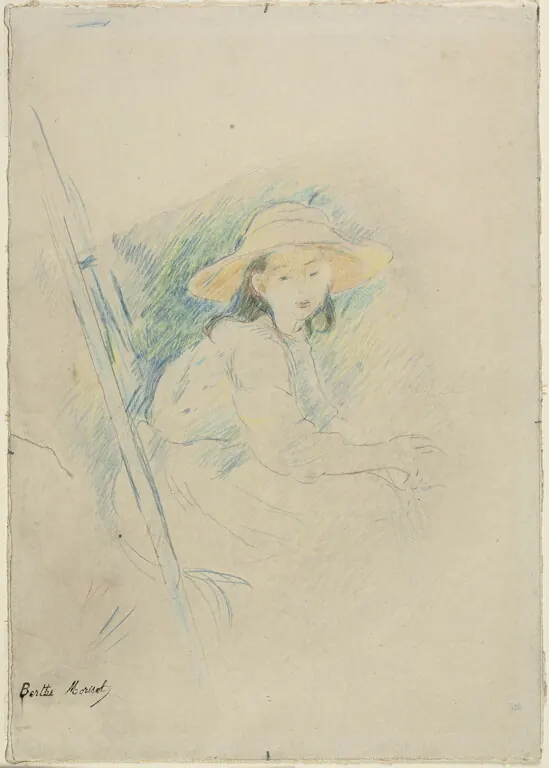
Seated Girl (Julie Manet)
c. 1890 · Art Institute of Chicago · 1923.1056
CC0 Public Domain Designation
Converted to WebP without enlargement or crop.

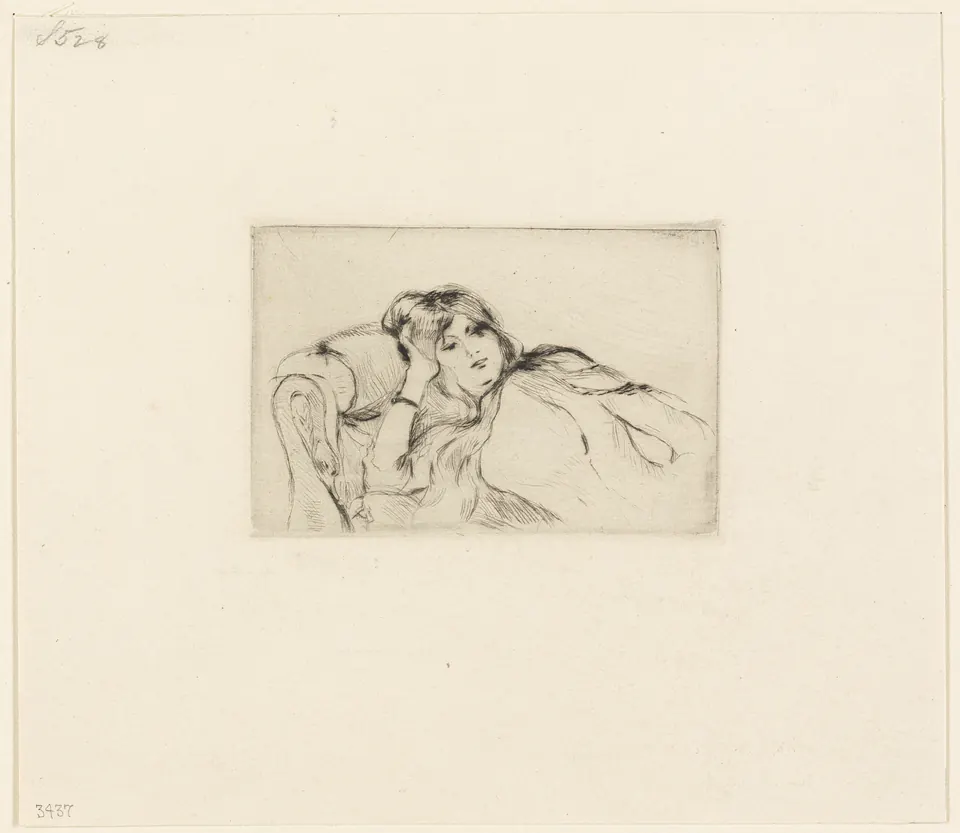
Young Woman at Rest
1889 · Art Institute of Chicago · 1921.215
CC0 Public Domain Designation
Resized to 960 pixels wide and converted to WebP; no crop.

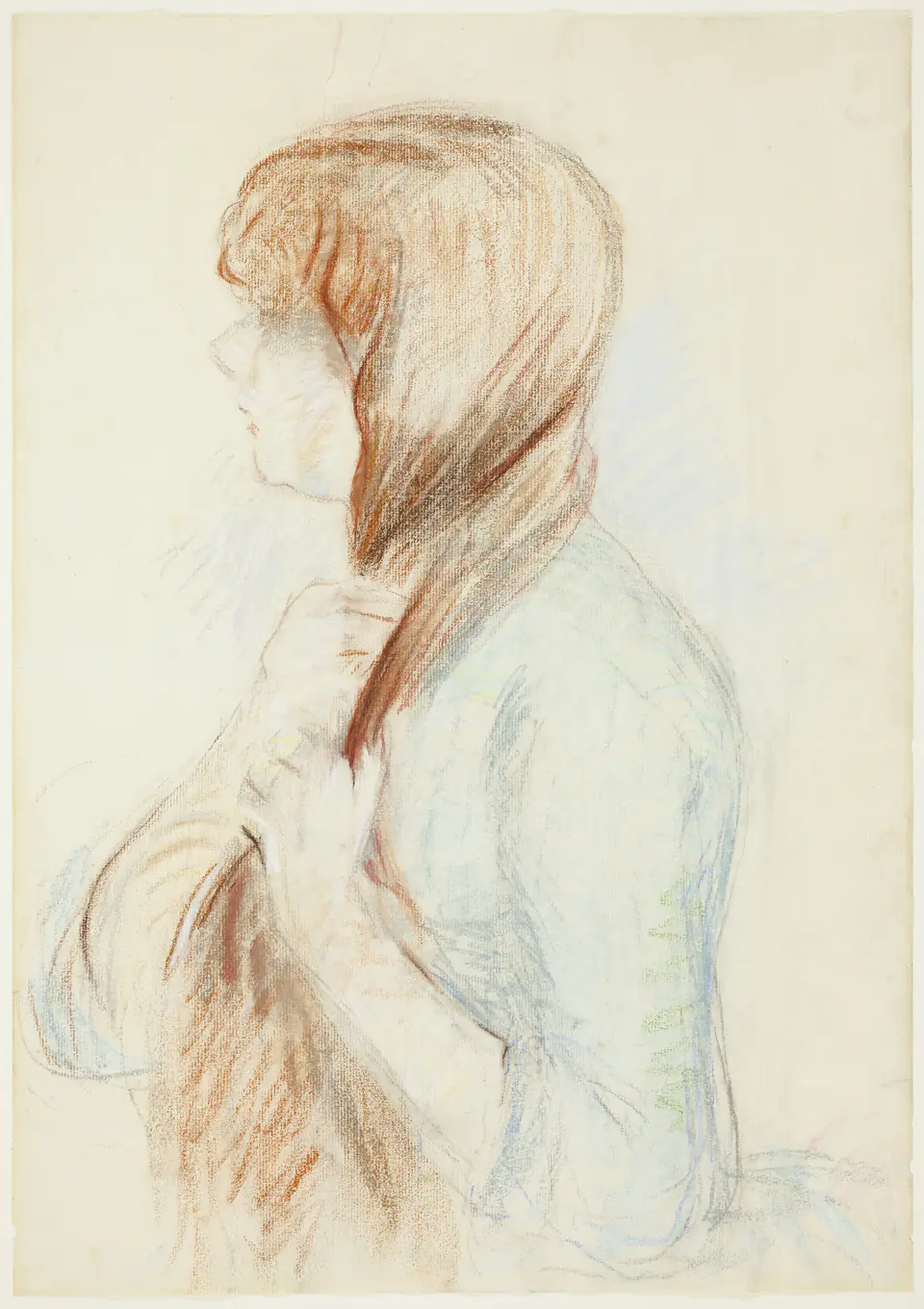
Girl Plaiting her Hair (La Natte)
1894 · Art Institute of Chicago · 1950.125
CC0 Public Domain Designation
Resized to 960 pixels wide and converted to WebP; no crop.

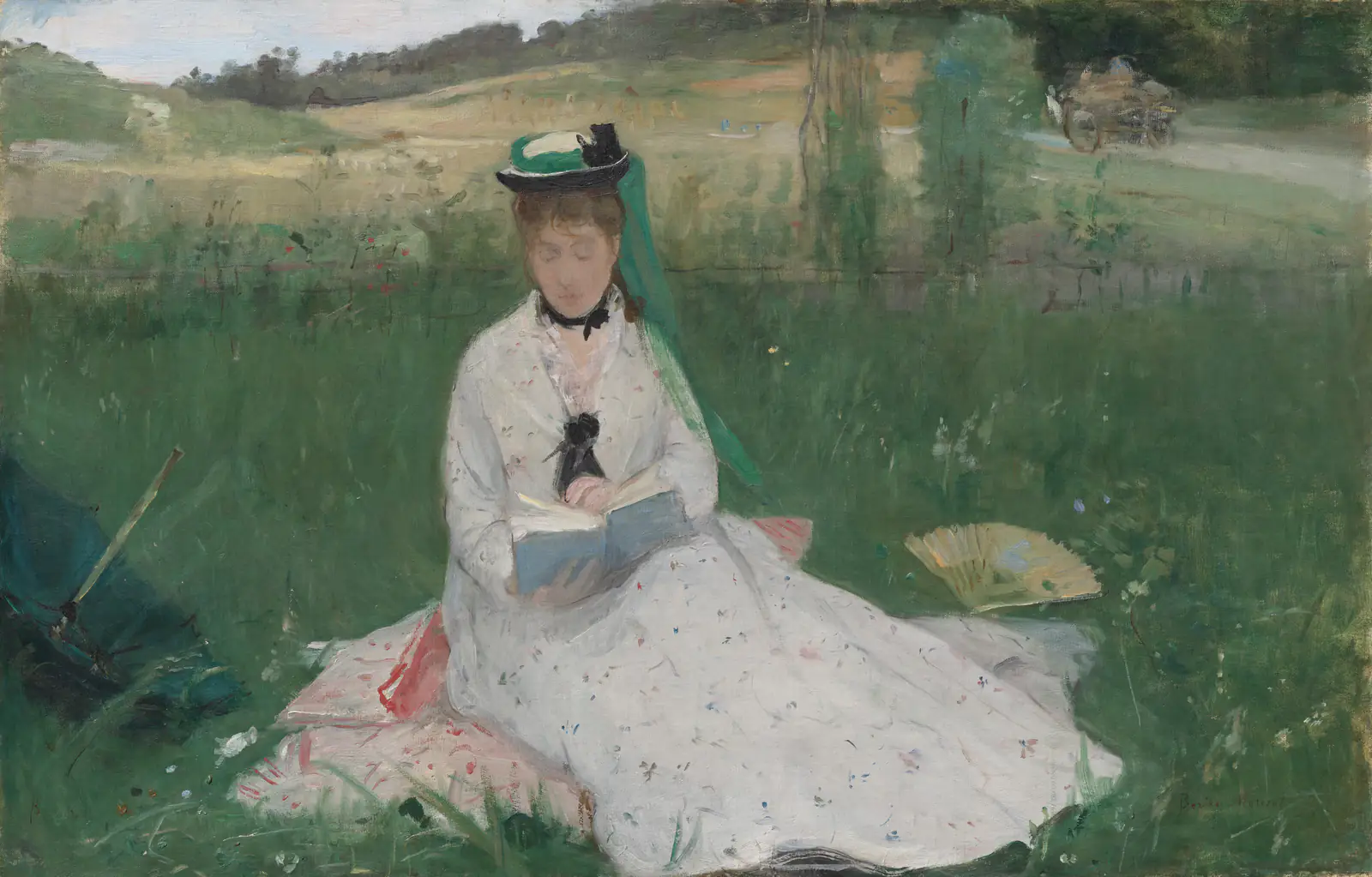
Reading
1873 · Cleveland Museum of Art · 1950.89
CC0 Public Domain Designation
Resized to 1600 pixels wide and converted to WebP; no crop.
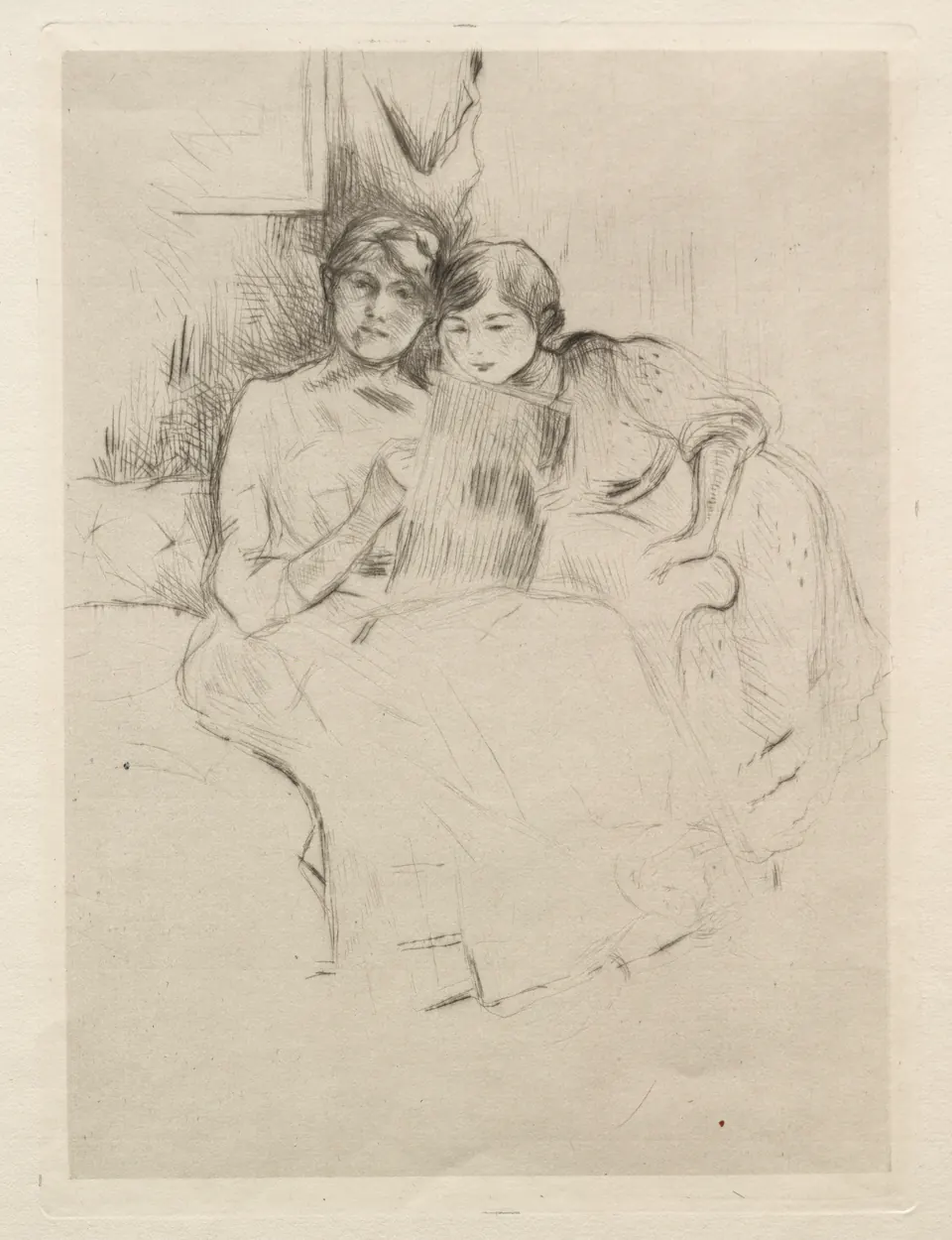
The Drawing Lesson (Berthe Morisot Drawing with Her Daughter)
1889 · Cleveland Museum of Art · 1925.1036
CC0 Public Domain Designation
Resized to 960 pixels wide and converted to WebP; no crop.
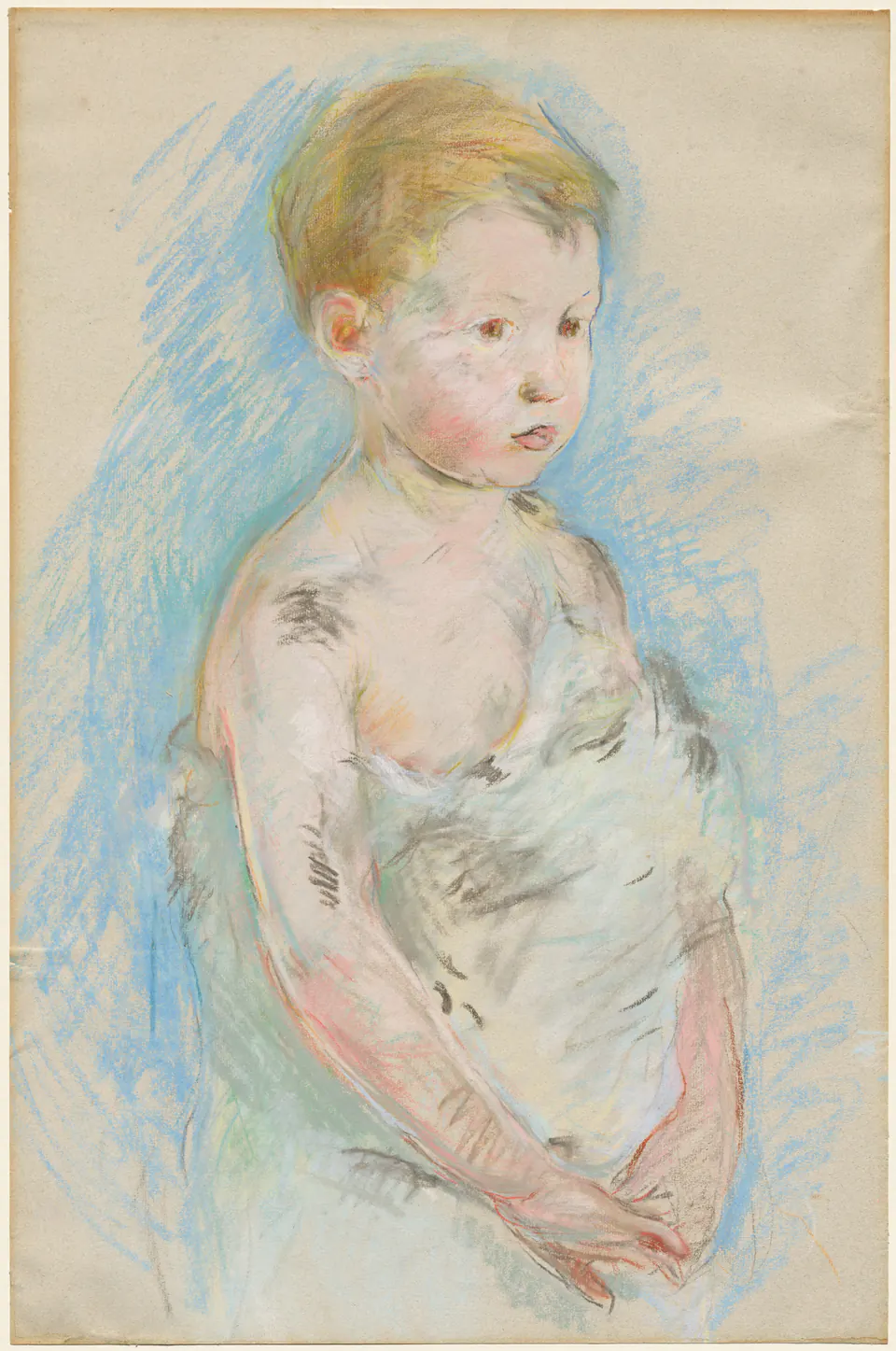
Young Saint John
1890 · Cleveland Museum of Art · 1975.83
CC0 Public Domain Designation
Resized to 960 pixels wide and converted to WebP; no crop.
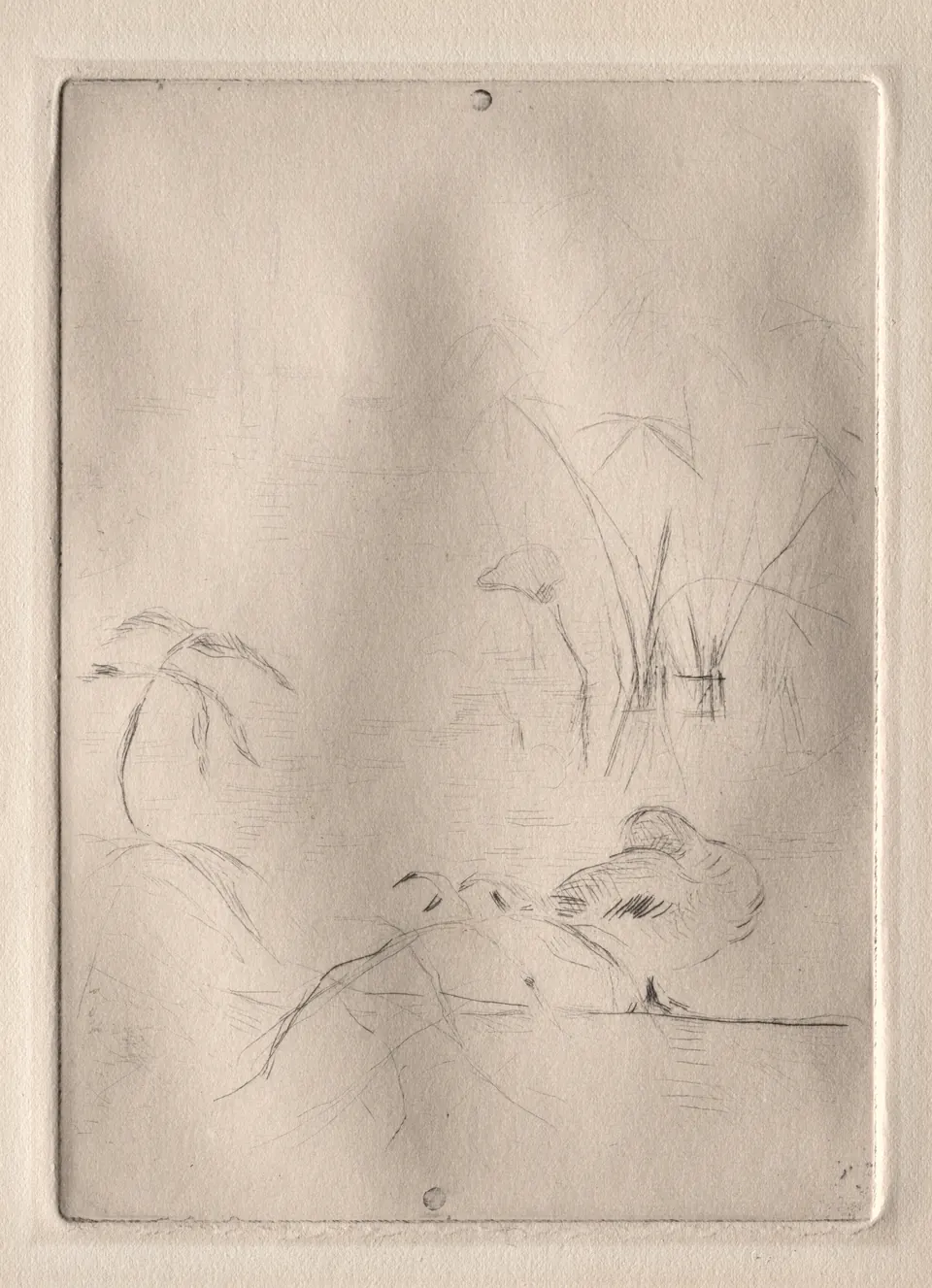
The Duck
1888–90 · Cleveland Museum of Art · 1998.377
CC0 Public Domain Designation
Resized to 960 pixels wide and converted to WebP; no crop.
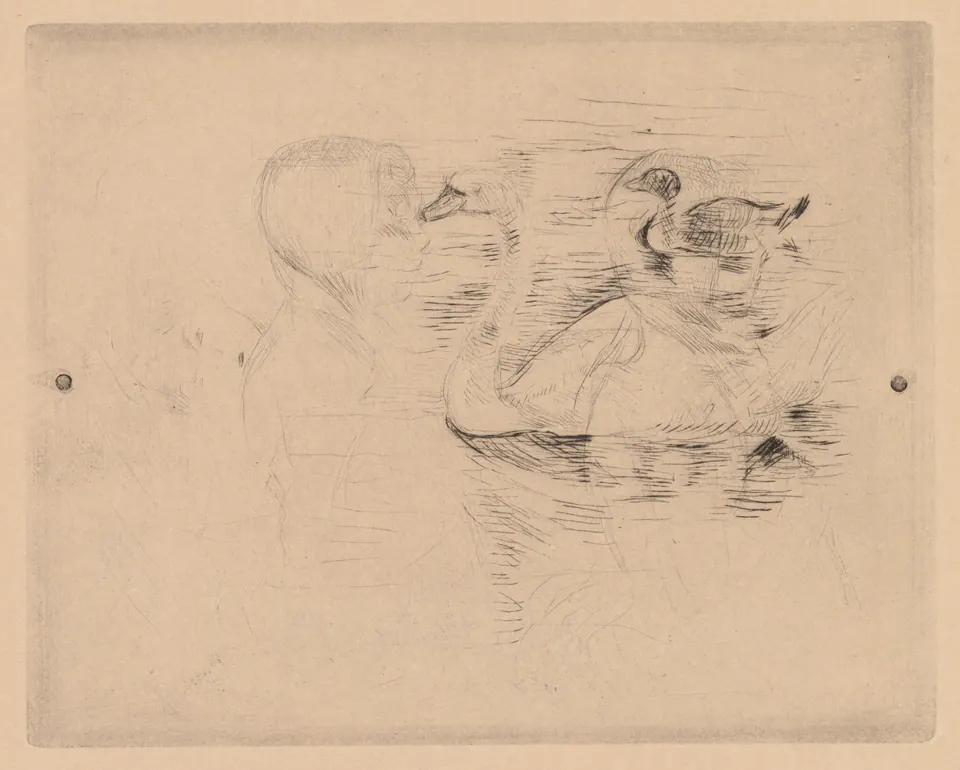
Swan and Duck, with portraits of Julie
1889 · Cleveland Museum of Art · 2016.254
CC0 Public Domain Designation
Resized to 960 pixels wide and converted to WebP; no crop.
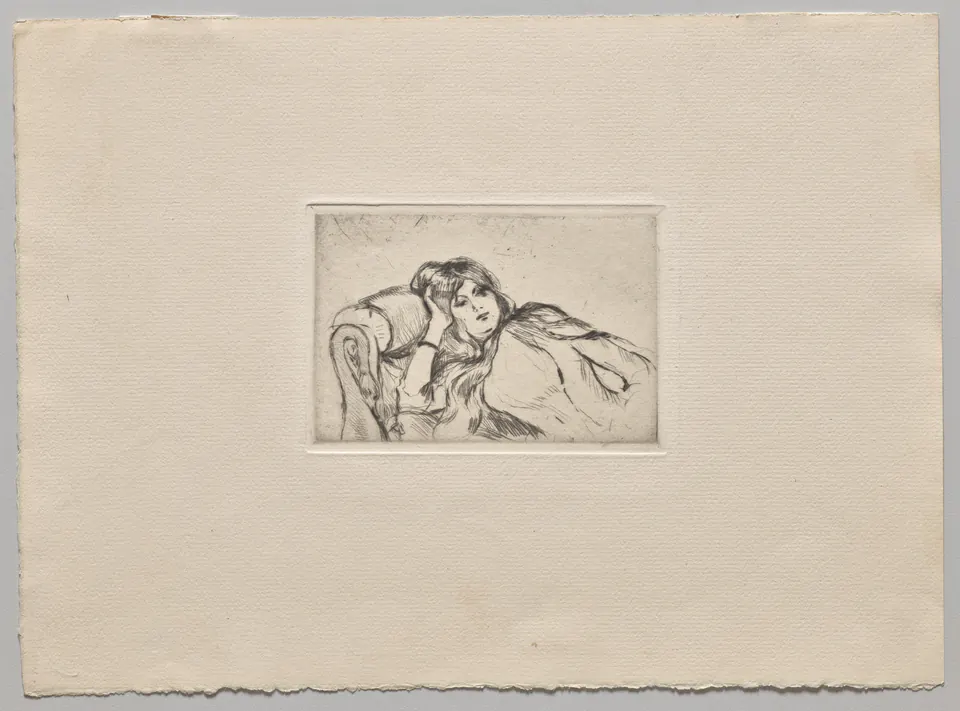
Young Woman at Rest
1889 · Cleveland Museum of Art · 2024.34
CC0 Public Domain Designation
Resized to 960 pixels wide and converted to WebP; no crop.
Sources and review method
We checked the artist chronology against museum records, treated each named jurisdiction separately, and recorded the provider policy for the image set. These sources support the legal framework and artist dates used above; the source file for any individual image still needs its own record.
- Reading — Cleveland Museum of Art. Feature identity, early ownership history, accession, conservation context, and CC0 file status.
- Open Access — Cleveland Museum of Art. Cleveland releases eligible collection images and metadata under CC0 for commercial and non-commercial reuse.
- Woman at Her Toilette — Art Institute of Chicago. Painting identity, 1896 sale, early illustrated publication, accession, and CC0 file status.
- Girl Plaiting her Hair — Art Institute of Chicago. Pastel identity, 1925 dealer sale and reproduction, accession, and CC0 file status.
- Open Access Images — Art Institute of Chicago. Files labelled CC0 Public Domain Designation may be reused for commercial and non-commercial purposes.
- Directive 2006/116/EC, Article 1 — EUR-Lex. The EU term for an artistic work is the author’s life plus 70 years.
- How long copyright lasts — UK Government. UK guidance gives 70 years after the author’s death for artistic works.
- Law No. 5846 on Intellectual and Artistic Works, Article 27 — WIPO Lex. The Turkish economic-rights term is the author’s life plus 70 years.
- Circular 15A: Duration of Copyright — U.S. Copyright Office. The 2026 term table places works published before 1931 outside the maximum 95-year publication term.
- Certain Unpublished, Unregistered Works Enter Public Domain — U.S. Copyright Office. Older unpublished works have a separate U.S. term analysis; discovery and first-publication history can matter.
- 17 U.S.C. Chapter 3, including §303 — U.S. Copyright Office. Section 303 states the transition rules and minimum 2002 or 2047 expiry floors for works that were unpublished on 1 January 1978.
- Visual Artists: Publication — U.S. Copyright Office. Distribution can publish a visual artwork, while public display by itself does not establish publication.
- Compendium of U.S. Copyright Office Practices, Chapter 900, §909.3(A) — U.S. Copyright Office. A purely faithful scan or “slavish copy” does not add registrable authorship, while substantial restoration or alteration can require a separate analysis.
- Copyright notice: digital images, photographs and the internet — UK Intellectual Property Office. A digital image can require a separate rights and website-terms check even when its subject is old.
Editorial record
About this article
- Author
- Publisher
- GeMarkt
- Published
- Reviewed
- Internal source & rights check. Conducted by GeMarkt Research Review. This is an internal editorial check—not independent peer review.
- Source standard
- Rights guide source standardSeparates the underlying work from the source file, records the review date, and links the evidence used for the conclusion.
Found a claim that needs checking? Report a factual error.