GeMarkt Journal · Practical guide
Is Édouard Manet Public Domain? A Work-and-File Guide
Manet's named works are public domain in the markets checked here, but U.S. publication history and the exact museum file still require separate evidence.
Rights check · reviewed
The short answer
Yes—for the 12 named paintings, drawings and print impressions documented here in the European Union, United Kingdom, Türkiye and United States. The answer is limited to this long-published set and does not automatically clear every object attributed to Manet or every digital reproduction.
| What is being checked | Result | Why |
|---|---|---|
| European Union & United Kingdom | Public domain | Manet died in 1883, well beyond the ordinary life-plus-70 term for artistic works. |
| Türkiye | Public domain | Türkiye also applies a life-plus-70 economic-rights term. Manet’s established works are beyond it. |
| United States | Clear for the 12 documented works and impressions below | The selected works have pre-1931 sale, distribution, publication, edition or accession evidence. A different or formerly unpublished object still needs its own U.S. history checked. |
| Museum image or download | Check the exact file | The old artwork and a modern photograph, scan, restoration or provider download are separate layers. Keep the object record, source-file URL and CC0 statement together. |
This guide separates the underlying work, the U.S. publication evidence and the exact institutional file. It makes no worldwide blanket claim and does not clear a newly discovered, formerly unpublished or newly attributed object.
This is a documented research summary, not legal advice. Copyright and moral-rights rules can vary by country and by the history of a particular work.

What we’ll look at
When can a Manet work be reused, and what must be proved about its U.S. publication history and exact digital file?
The practical answer is yes for the 12 Édouard Manet works and institutional files documented here—not automatically for every object attributed to Manet or every image returned by a search engine. Manet died in 1883, so his established works are beyond the ordinary economic-rights term in the European Union, United Kingdom, and Türkiye. The selected set also has pre-1931 evidence supporting a clear U.S. result.
That conclusion contains four separate decisions:
- Is the underlying Manet painting, drawing, or print design outside copyright in the market being checked?
- What proves distribution or publication for the United States, where creation date alone is not enough?
- Which physical painting, drawing, print state, or impression does the record identify?
- Is the exact digital file affirmatively reusable under its provider’s current statement?
This guide is a research summary, not legal advice. It names the territories, works, institutions, and files reviewed instead of making a worldwide claim.
The short answer is yes for the named set
The published ledger contains six Art Institute of Chicago records and six Cleveland Museum of Art records. Both institutions designate the selected files CC0. The set includes four paintings, a pastel, an etching held by the AIC, and six Cleveland print impressions.
The selected objects are not justified merely by their dates. The AIC provenance for The Races at Longchamp records a sale in 1877; Beggar with a Duffle Coat was sold in 1872; Sea View, Calm Weather was probably sold in 1881 and crossed the New York market by 1900. The records for Jesus Mocked by the Soldiers and Mademoiselle Isabelle Lemonnier document nineteenth-century publication, sale, or distribution. The print Berthe Morisot in Black appears in a 1906 print catalogue.
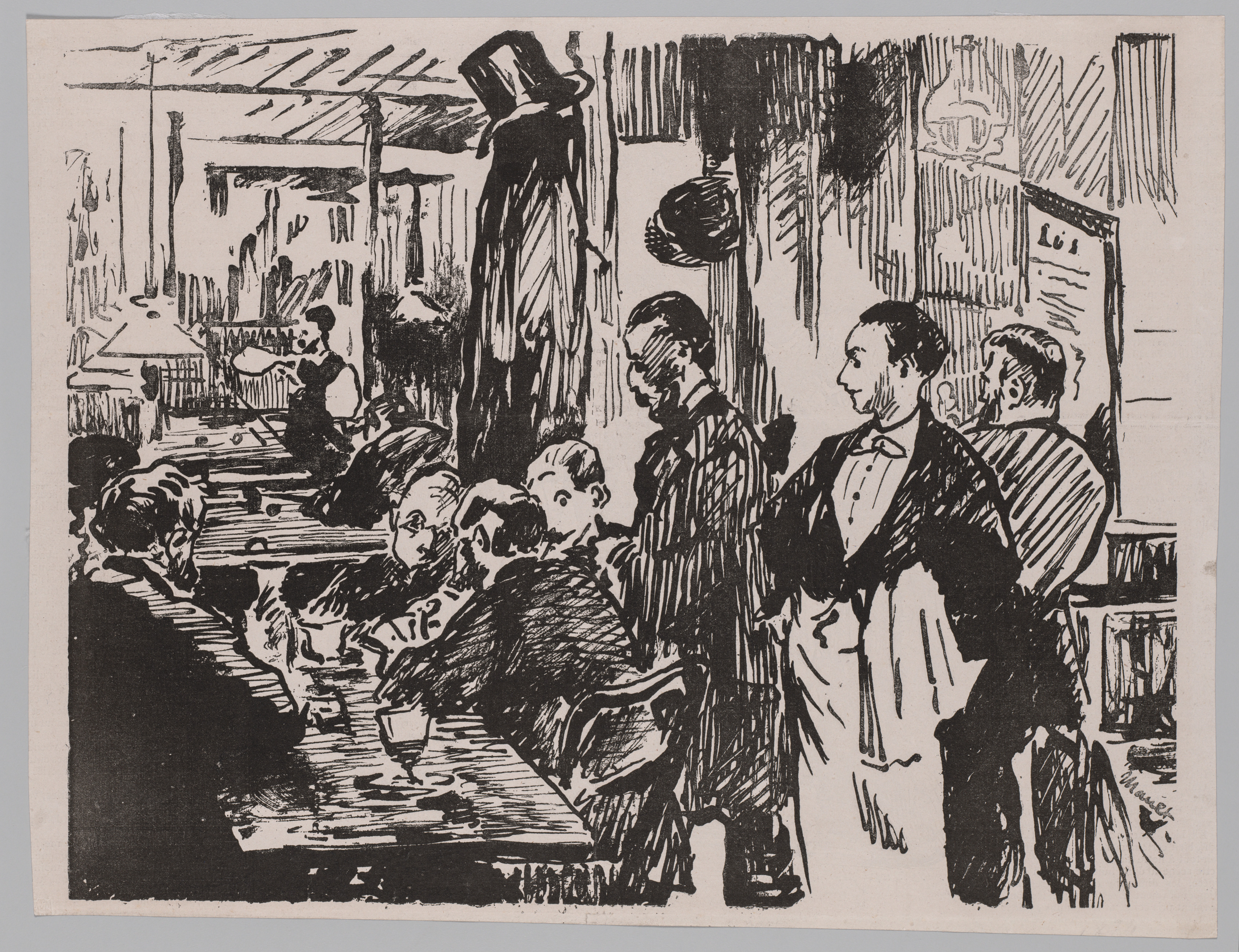
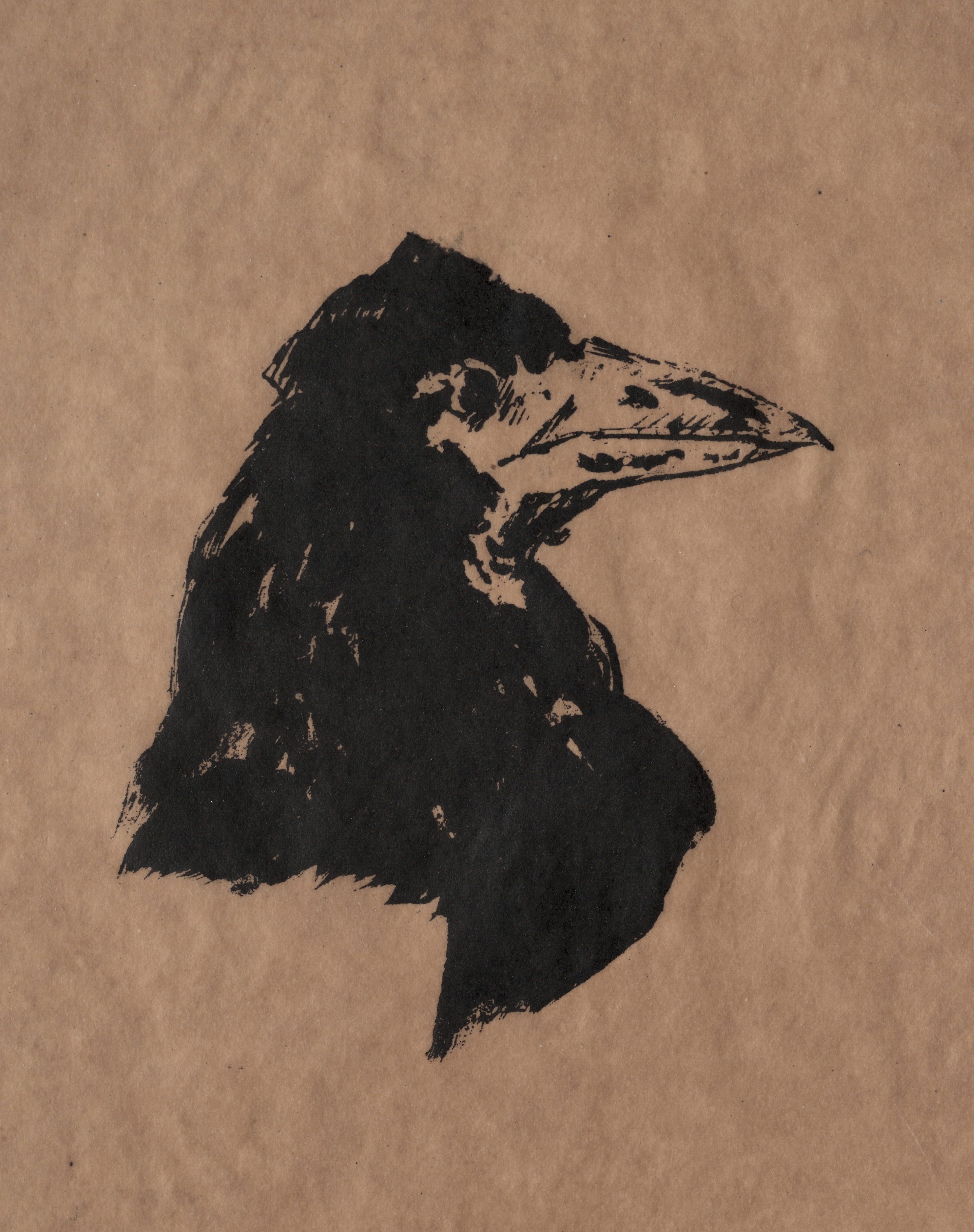
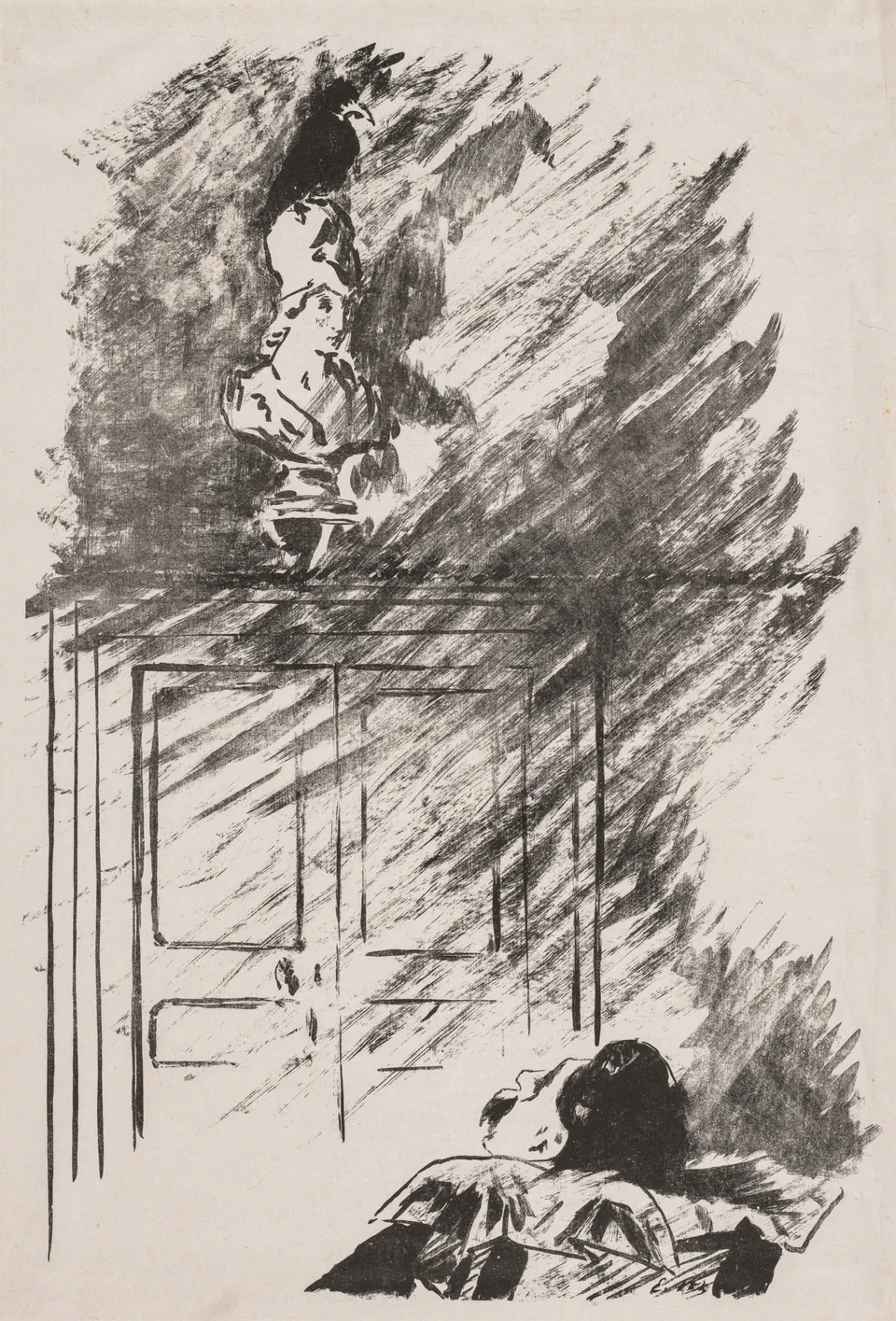
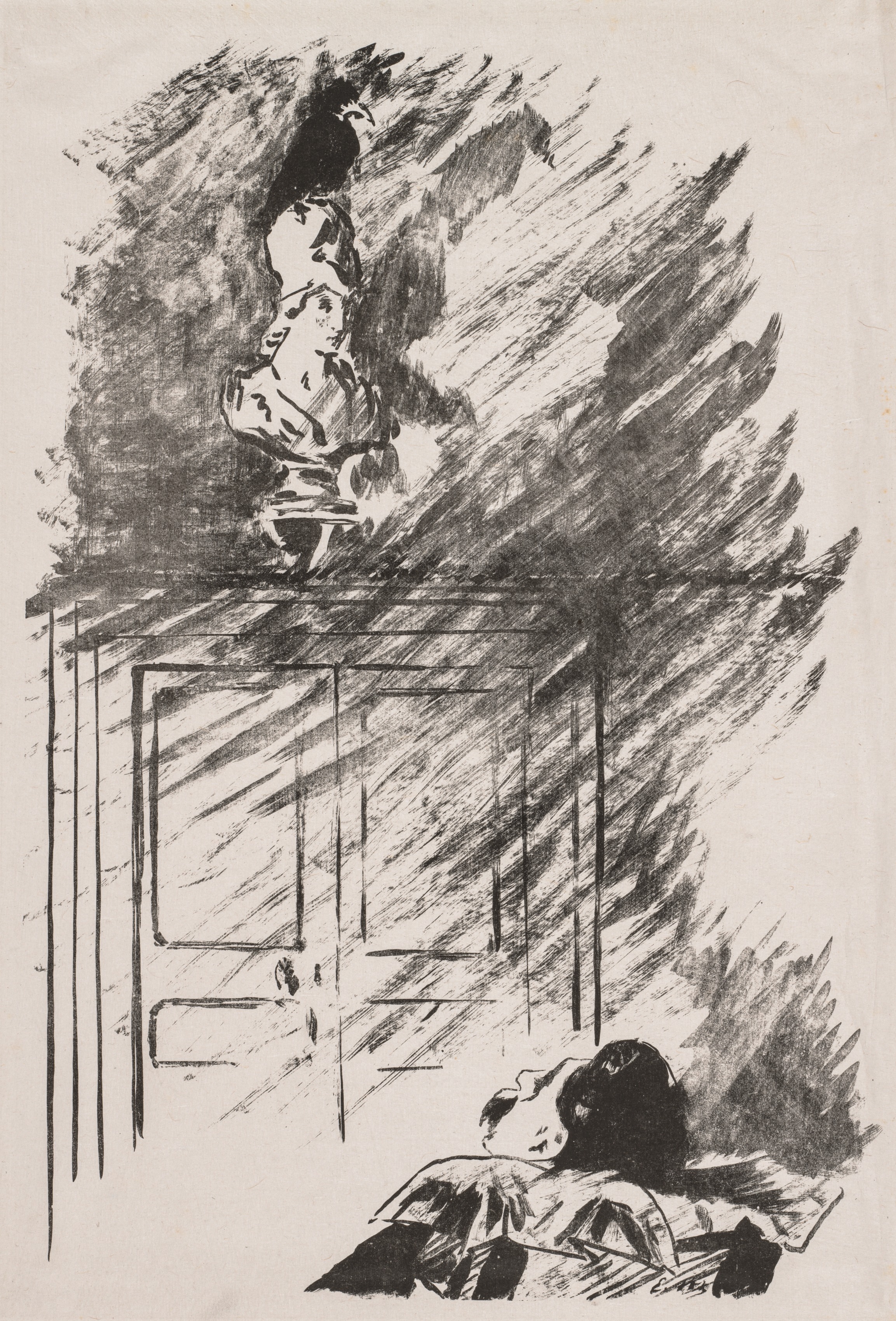
The Cleveland records supply complementary print evidence. At the Café appeared in the Belgian journal L’Europe in 1874. Raven’s Head in Profile and Perched upon a Bust of Pallas were made for Stéphane Mallarmé’s published 1875 edition of The Raven. Other impressions in the set entered the museum or circulated well before the current U.S. cutoff.
The conclusion does not automatically cover:
- a newly surfaced drawing whose publication history is unknown;
- an object described as “attributed to,” “workshop of,” or “after Manet”;
- a later print state, restrike, facsimile, or differently attributed impression;
- an X-radiograph, infrared image, conservation composite, colour reconstruction, or creative restoration;
- a museum-shop photograph, book page, auction image, or download detached from its provider record.
The safe unit of reuse is the named work plus the named file—not the artist’s surname by itself.
Life plus 70 markets are clear
Article 1 of the EU term directive gives an artistic work the author’s life plus 70 years. UK government guidance applies the same ordinary duration to artistic works, and Article 27 of Türkiye’s Law No. 5846 likewise uses life plus 70 for economic rights.
Manet died in 1883. His established sole-authored works are therefore beyond the ordinary term in all three markets.
| Market checked | Ordinary rule applied | Result for Manet’s established works |
|---|---|---|
| European Union | author’s life plus 70 years | public domain |
| United Kingdom | 70 years after the creator’s death | public domain |
| Türkiye | life plus 70 years for economic rights | public domain |
This does not erase every neighbouring issue. Attribution and integrity interests can operate differently across countries. A modern restoration or photograph can contain new authorship. A museum name or logo can create endorsement or trademark concerns. Those questions should remain visible rather than being compressed into “Manet is public domain.”
The US answer depends on publication history
For older works, the United States cannot be cleared from the artist’s death year alone. Copyright Office Circular 15A organises many pre-1978 terms around publication. In 2026, a work published before 1 January 1931 is outside the maximum 95-year publication term.
Publication is a legal event, not a synonym for creation or fame. Copyright Office guidance explains that distributing the original or copies can publish a visual artwork, while public display by itself does not. A Salon exhibition is relevant history but is not, without more, the publication proof used here.
The named Manet set instead relies on object-level evidence:
- recorded nineteenth-century sales and dealer transfers for the paintings;
- contemporary publication and illustrated catalogue records;
- prints issued through journals or books;
- editioned impressions distributed as graphic works;
- museum accessions and transfers completed before 1931 for the relevant older records.
There is still a fail-closed path. Under 17 U.S.C. §303, a work created before 1978 that remained unpublished on 1 January 1978 follows a separate transition regime. If it was first published between 1978 and the end of 2002, protection can continue through the end of 2047. A newly discovered private Manet study therefore needs a fresh chronology even though Manet died in 1883.
The guide’s U.S. “clear” result belongs to the 12 listed works and impressions. It is not a blanket conclusion for an unreviewed thirteenth object.
Paintings and prints produce different evidence
A painting is normally one physical object, though it can have studies, copies, altered attributions, restorations, and many reproductions. A print is produced from a matrix and can exist in multiple states and impressions. Those differences change the production record.
For a painting or pastel, retain:
- title, artist wording, date, medium, accession, and institution;
- provenance showing sale or other distribution relevant to the U.S. analysis;
- conservation and attribution changes;
- the exact photograph and provider statement used.
For a print, also retain:
- technique, plate or stone, state, edition, printer, and publisher where known;
- the particular impression and accession photographed;
- whether it is a lifetime impression, later printing, restrike, or reproduction after a painting;
- sheet boundaries, margins, inscriptions, and recto or verso.
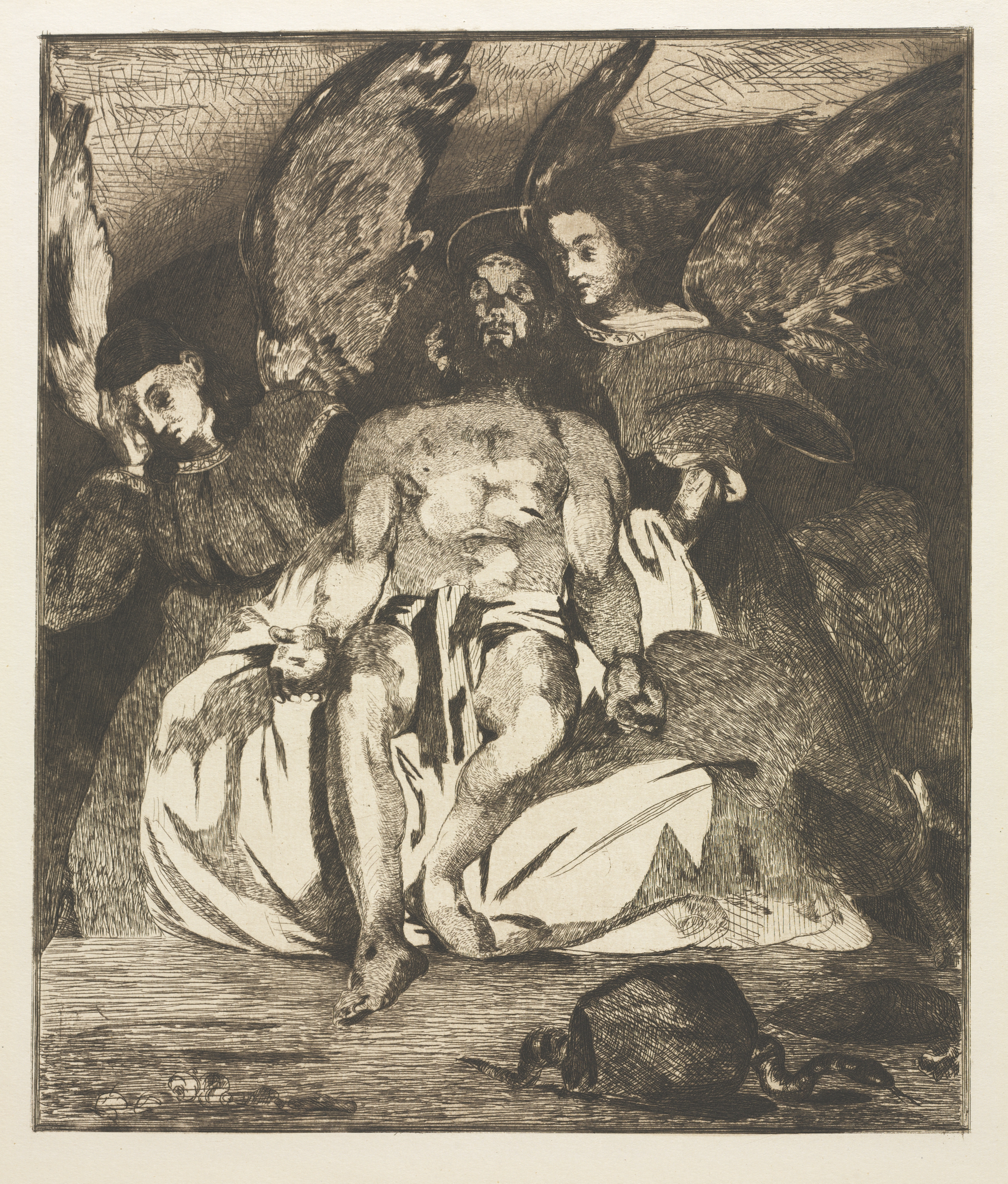
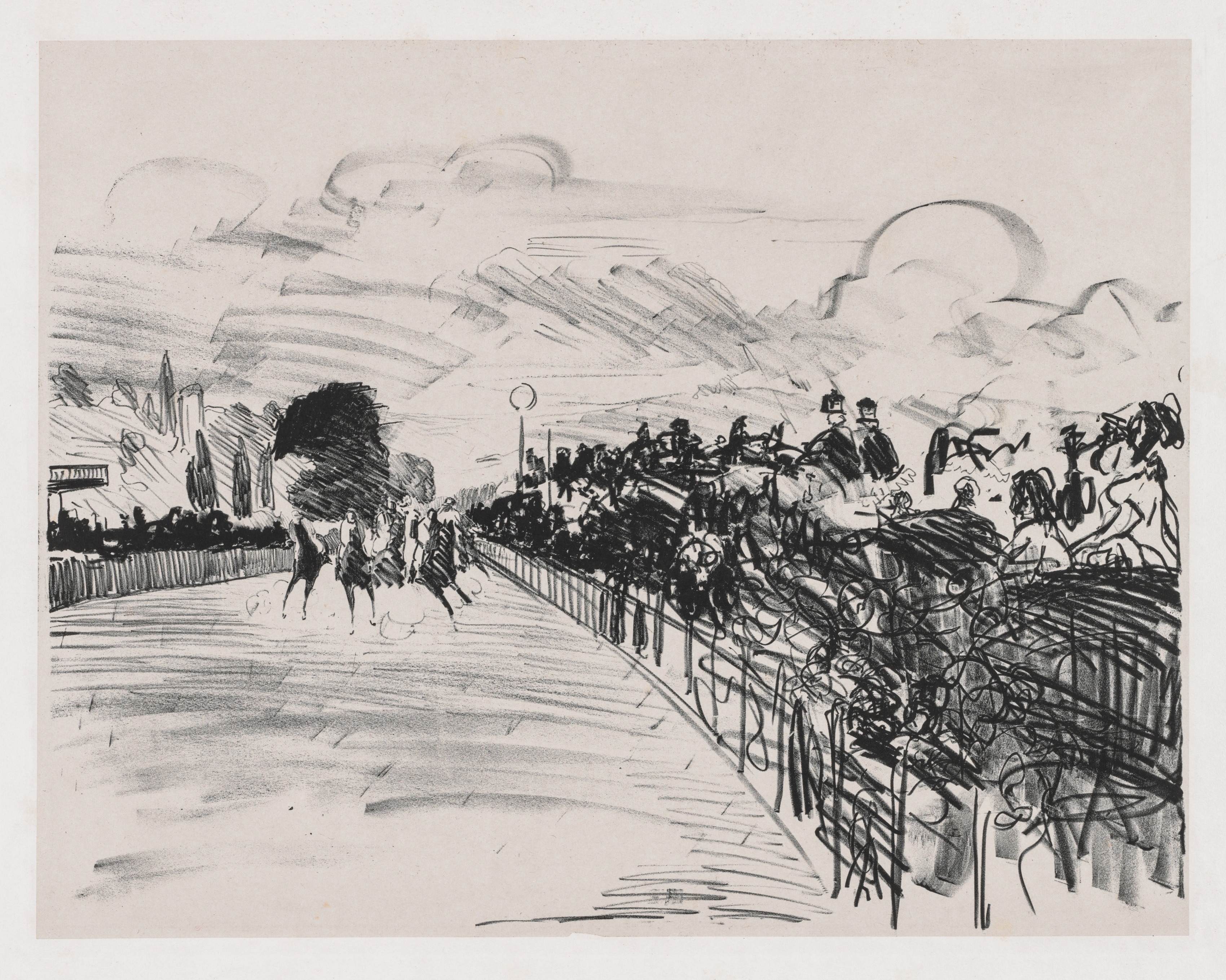
The distinction is concrete in this set. Cleveland describes The Dead Christ with Angels as an etching and aquatint with only a few impressions. The Races is a lithograph after Manet’s painting. Olympia is an etching made to reproduce the controversial canvas, not the Paris painting itself. A caption that calls the Cleveland sheet “the painting Olympia” would be both an object error and a rights-record error.
Is Olympia public domain?
Manet’s 1863 painting design is beyond the ordinary terms checked here, but a reuse decision must identify whether it uses the Musée d’Orsay painting, Manet’s 1867 etching, another impression, or a modern reproduction.
This guide includes Cleveland accession 1922.186: Manet’s 1867 etching Olympia. The object page identifies the technique, date, artist, and impression, and the downloadable image carries Cleveland’s CC0 designation. The local WebP is derived from that exact institutional source without cropping.
That evidence does not automatically clear a photograph downloaded from another museum, publisher, or commercial library. Nor does it allow the etching’s accession, condition, or tonal character to be silently transferred to the painting. The old composition, physical object, institutional photograph, and local derivative remain four distinct layers.
The same rule applies to The Races at Longchamp. The AIC painting is the feature image; Cleveland’s lithograph The Races is a different work record in the candidate set. Their related compositions do not make their files interchangeable.
The exact digital file is a second decision
The U.S. Copyright Office’s visual-arts compendium says that a purely faithful scan or “slavish copy” lacks new registrable authorship, while a sufficiently original restoration or alteration can require a different analysis. Other countries can apply different originality standards, and provider terms or access agreements may still matter.
For each selected image, the production ledger therefore keeps:
- the institutional object URL;
- the exact IIIF or Open Access JPEG endpoint;
- the provider’s CC0 Public Domain Designation;
- the download and review date;
- the local WebP dimensions and checksum;
- the transformation record—resize and format conversion, with no crop.
The feature, The Races at Longchamp, comes from the AIC’s CC0 Open Access programme. The source was resized to 1600 pixels wide and converted to WebP without cropping. The local checksum and responsive derivatives are locked by automated validation. Replacing it with a search preview, a warmer colour correction, or a different photograph would require a new review rather than a silent file swap.
Twelve CC0 files form the published set
The 12 records below the article are the actual editorial boundary. Every row includes a title, date, institution, accession, object page, exact source-file URL, provider label, local file, intrinsic dimensions, alt text, and transformation statement.
The six AIC records are The Races at Longchamp, Jesus Mocked by the Soldiers, Beggar with a Duffle Coat, Sea View, Calm Weather, Berthe Morisot in Black, and Mademoiselle Isabelle Lemonnier. The six Cleveland impressions are Olympia, The Dead Christ with Angels, At the Café, The Races, Raven’s Head in Profile, and Perched upon a Bust of Pallas.
This processed set supports the article. It does not imply that GeMarkt currently sells a Manet print, offers a Manet download, or operates a Manet collection. Editorial research can be complete before inventory exists; any future product still needs its own quality, restoration, territory, labelling, and exact-file review.
A commercial reuse checklist
Before a Manet image enters a product, publication, campaign, or downloadable file, verify:
- Artist and work identity. The institution’s current attribution, title, date, and medium match the claim.
- U.S. chronology. Real sale, distribution, edition, or publication evidence supports the named object; display alone is not treated as publication.
- Section 303. A formerly unpublished work was not first published in 1978–2002 without checking the possible 2047 floor.
- Object or impression. The accession, print state, technique, side, and condition match the image shown.
- Exact file. The production master came from the recorded AIC or Cleveland endpoint.
- Provider status. The object and file still carry the CC0 or public-domain statement relied on here.
- Transformations. Cropping, colour work, restoration, compositing, or AI-assisted changes are documented and do not misrepresent the source.
- Territory and presentation. Actual markets are covered, and museum names or logos do not imply endorsement.
If one of those fields cannot be recovered, source the image again. Public domain is not a free-for-all explains why attribution, privacy, trademarks, provider terms, and platform rules can remain relevant after copyright expires.
Where Manet fits inside GeMarkt
The Journal’s Impressionism chapter places Manet near independent exhibitions, rebuilt Paris, modern spectatorship, leisure, and labour. This guide answers a narrower production question: what must be proved before a particular work and file can be reused?
For a repeatable research process, use How to research an artwork to build the object record and source map, then preserve uncertainty when provenance or attribution changes.
There is no Manet collection or dedicated wallpaper room on GeMarkt at publication time. The current wallpaper library and shop are general destinations and should not be read as Manet inventory. This guide publishes because its source-backed answer, 12 exact institutional files, and validation record are complete—not because a future product has been promised.
Rights-checked image ledger
A documented starting set
These files were selected from the holding institutions rather than from search-result copies. Each card keeps the artwork record, exact source file, provider statement and GeMarkt transformation visible as separate facts.
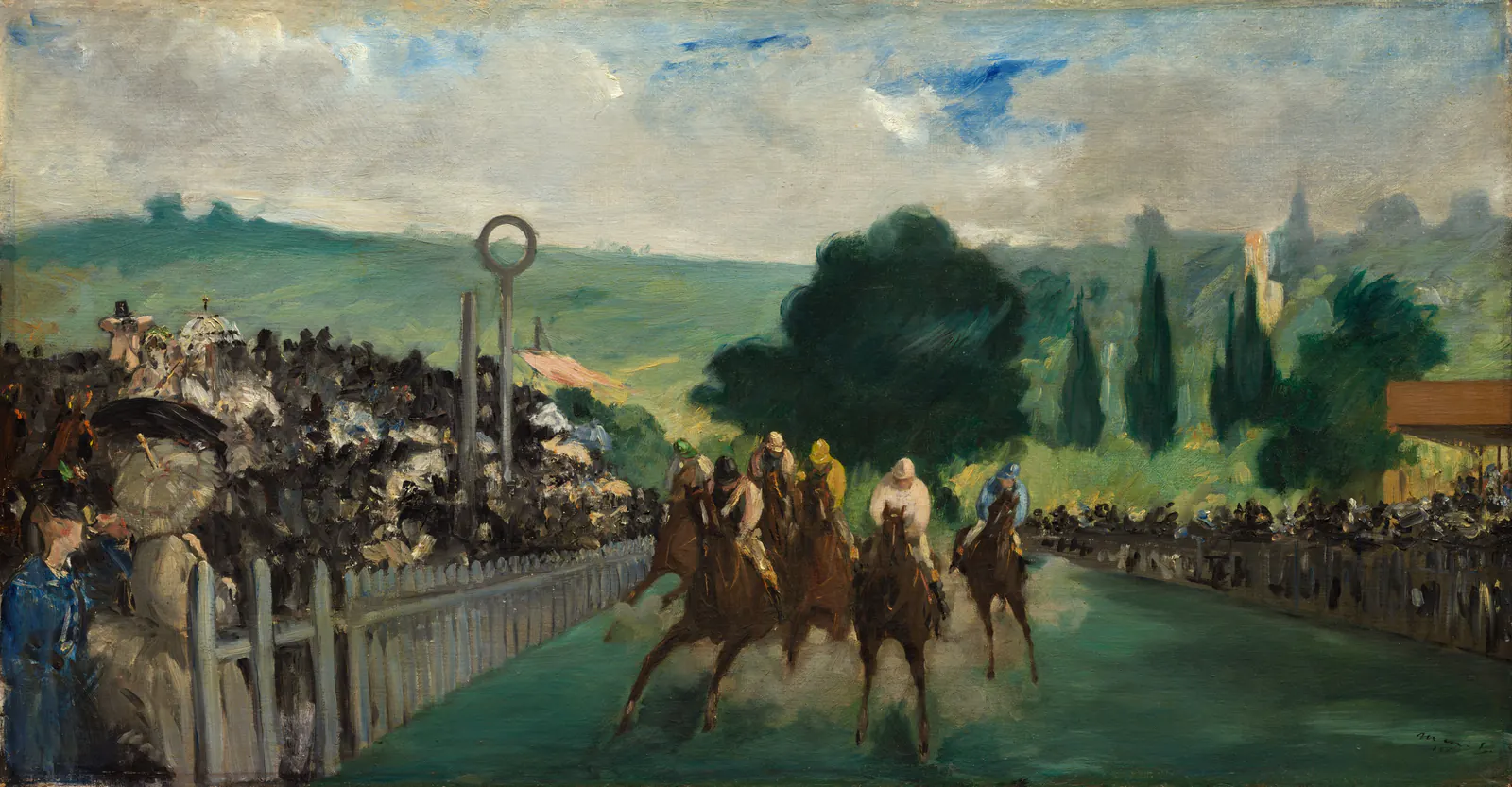
The Races at Longchamp
1866 · Art Institute of Chicago · 1922.424
CC0 Public Domain Designation
Resized to 1600 pixels wide and converted to WebP; no crop.

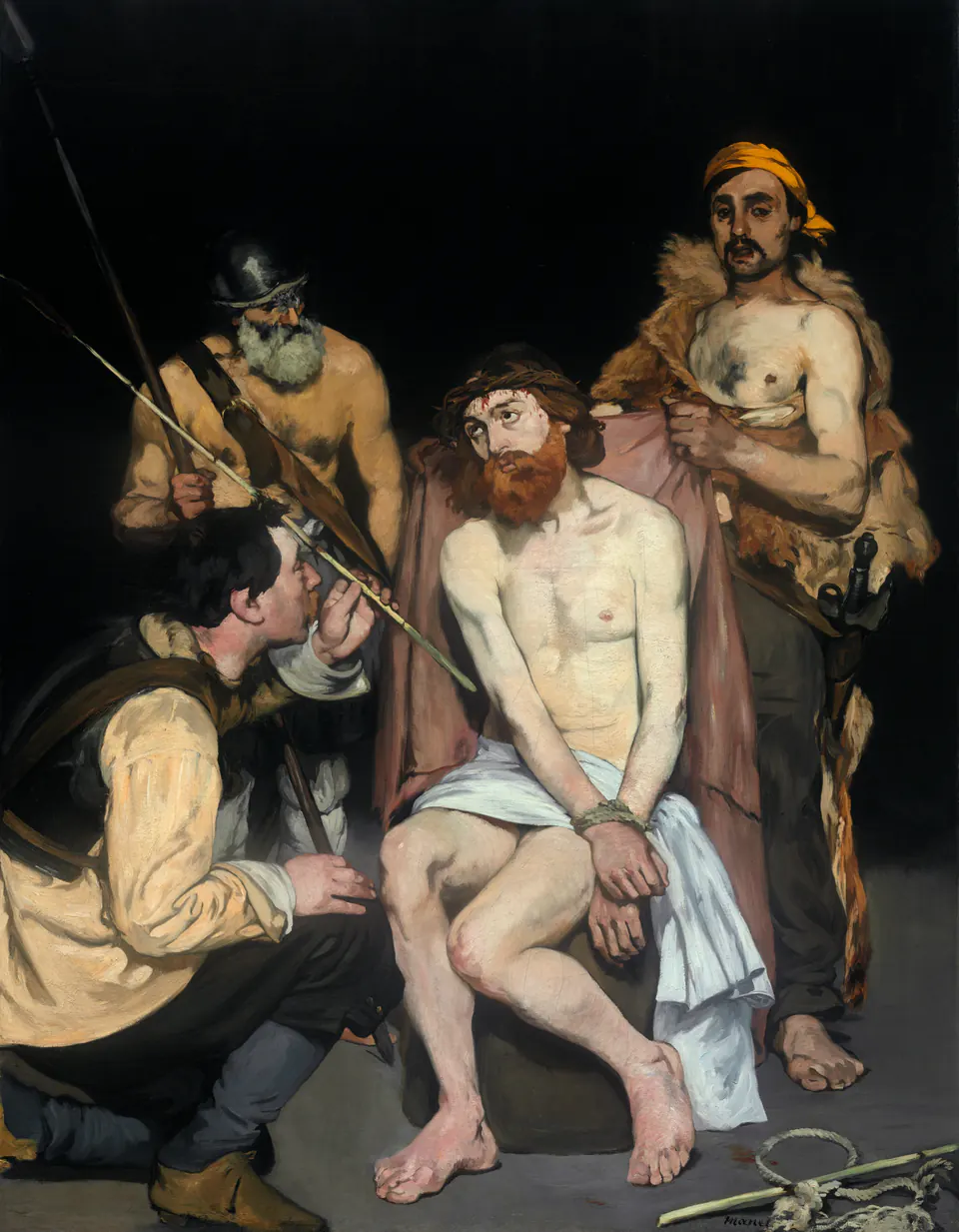
Jesus Mocked by the Soldiers
1865 · Art Institute of Chicago · 1925.703
CC0 Public Domain Designation
Resized to 960 pixels wide and converted to WebP; no crop.

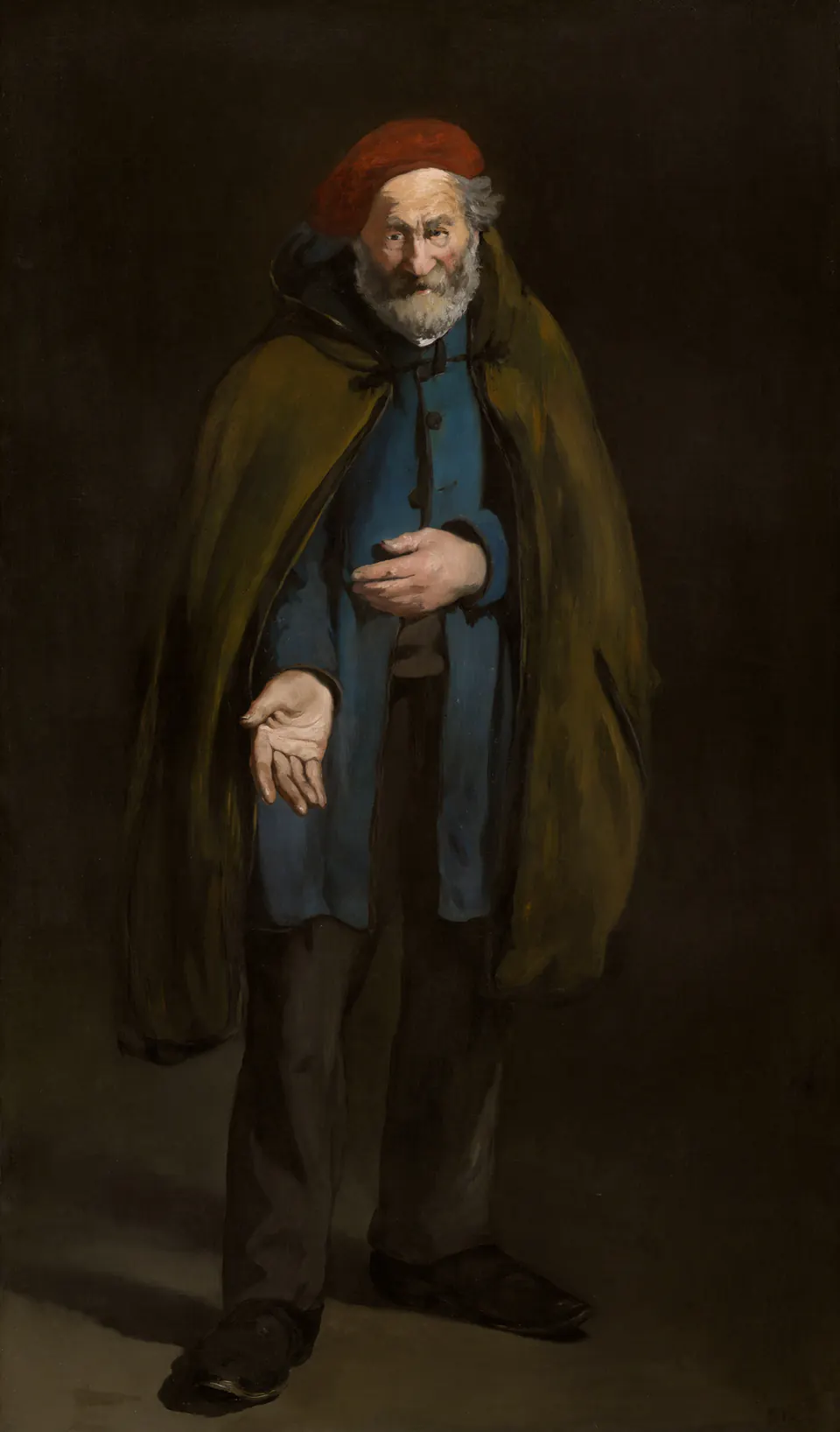
Beggar with a Duffle Coat (Philosopher)
1865–67 · Art Institute of Chicago · 1910.304
CC0 Public Domain Designation
Resized to 960 pixels wide and converted to WebP; no crop.

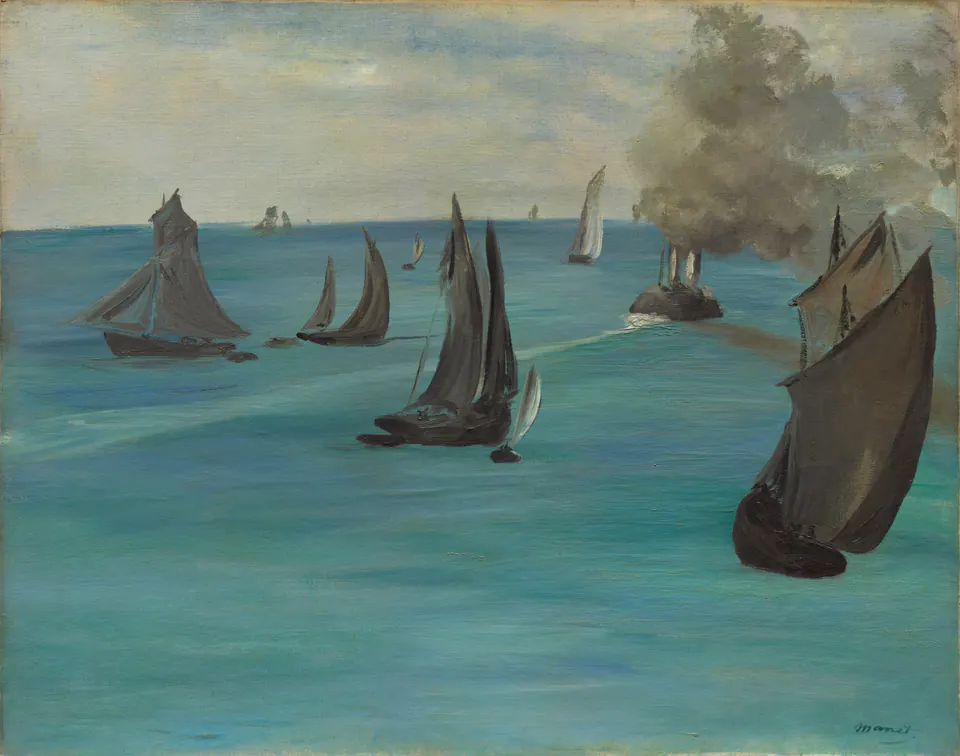
Sea View, Calm Weather
1864 · Art Institute of Chicago · 1922.425
CC0 Public Domain Designation
Resized to 960 pixels wide and converted to WebP; no crop.

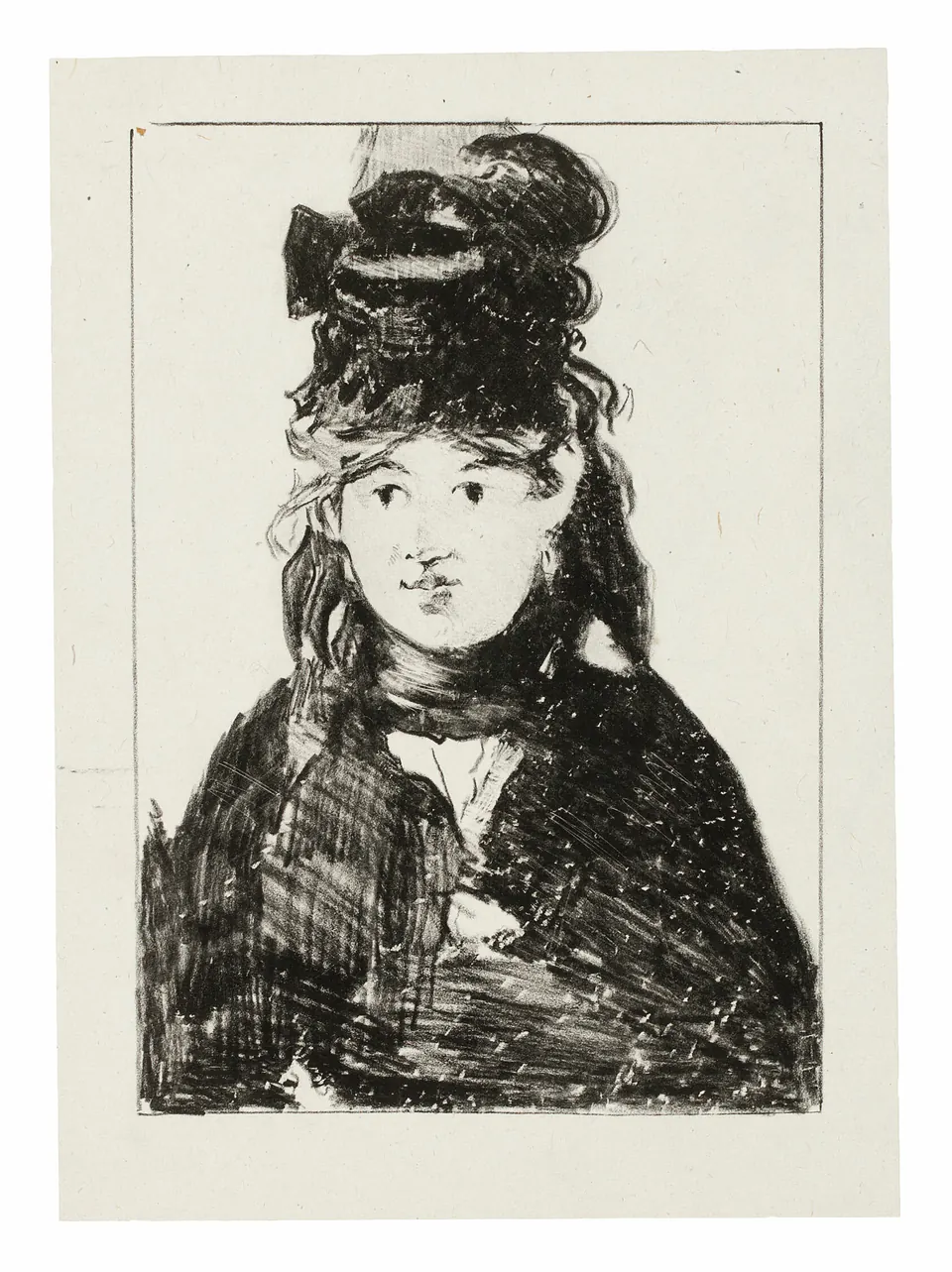
Berthe Morisot in Black
1872–74 · Art Institute of Chicago · 1927.4210
CC0 Public Domain Designation
Resized to 960 pixels wide and converted to WebP; no crop.

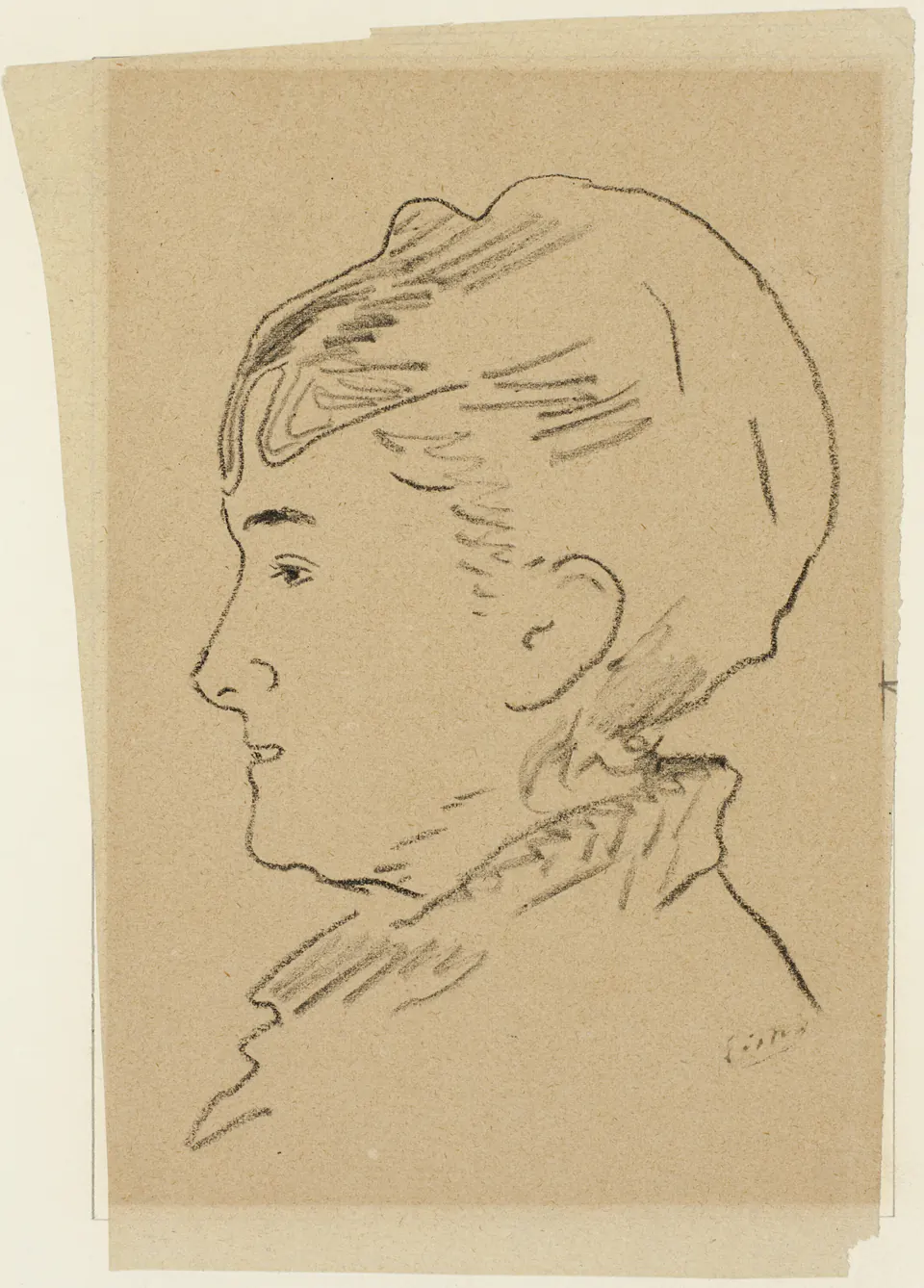
Mademoiselle Isabelle Lemonnier
not dated · Art Institute of Chicago · 1922.4488
CC0 Public Domain Designation
Resized to 960 pixels wide and converted to WebP; no crop.

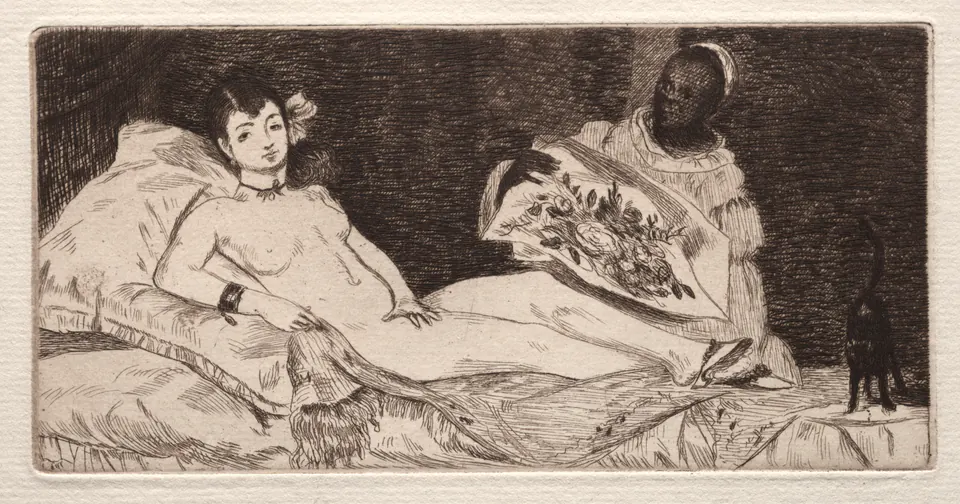
Olympia
1867 · Cleveland Museum of Art · 1922.186
CC0 Public Domain Designation
Resized to 960 pixels wide and converted to WebP; no crop.
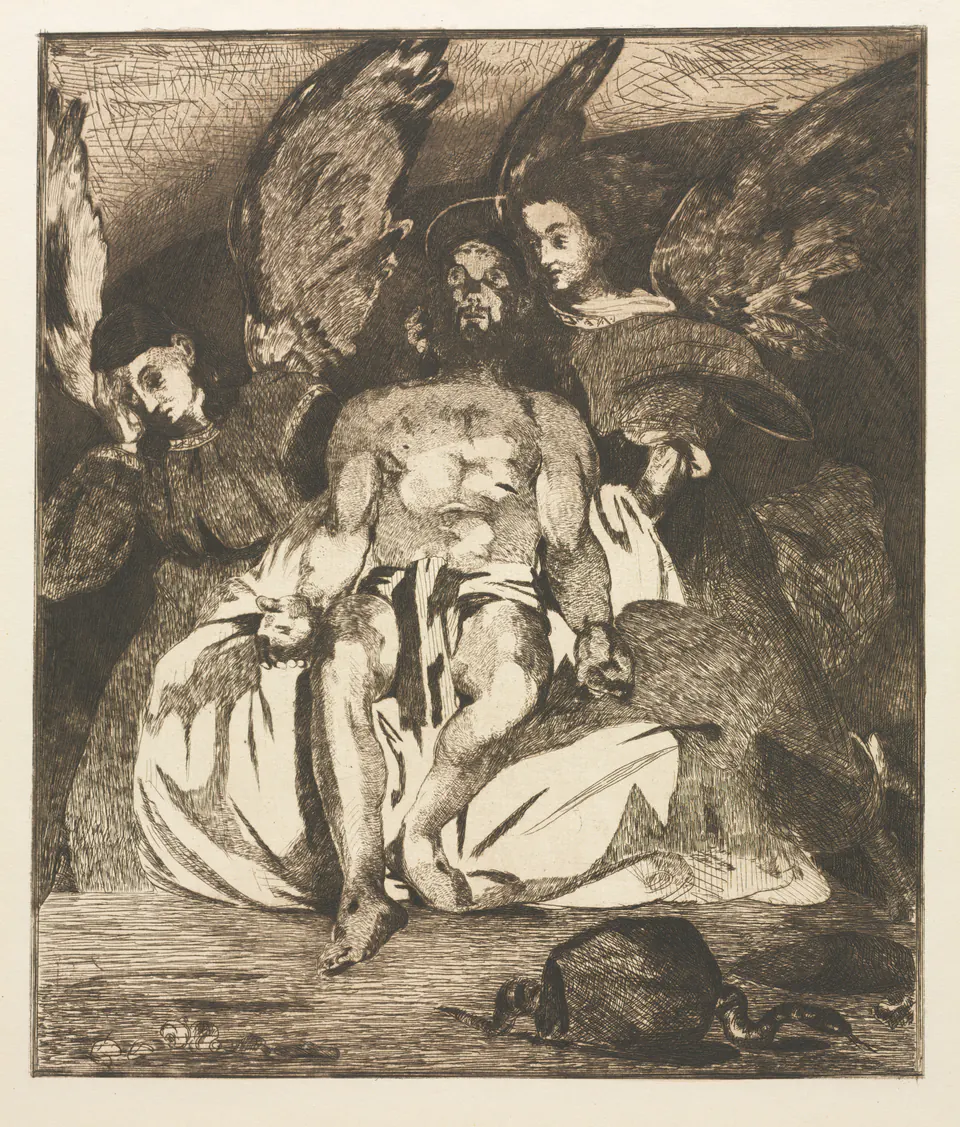
The Dead Christ with Angels
1866–67 · Cleveland Museum of Art · 1961.151
CC0 Public Domain Designation
Resized to 960 pixels wide and converted to WebP; no crop.
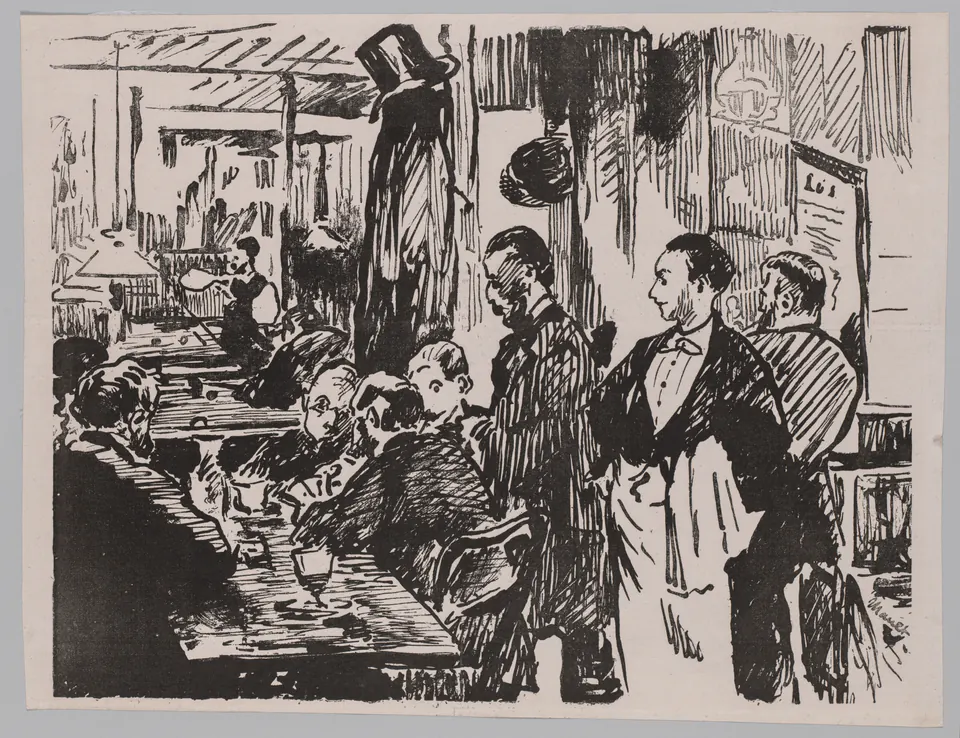
At the Café
1874 · Cleveland Museum of Art · 2019.57
CC0 Public Domain Designation
Resized to 960 pixels wide and converted to WebP; no crop.
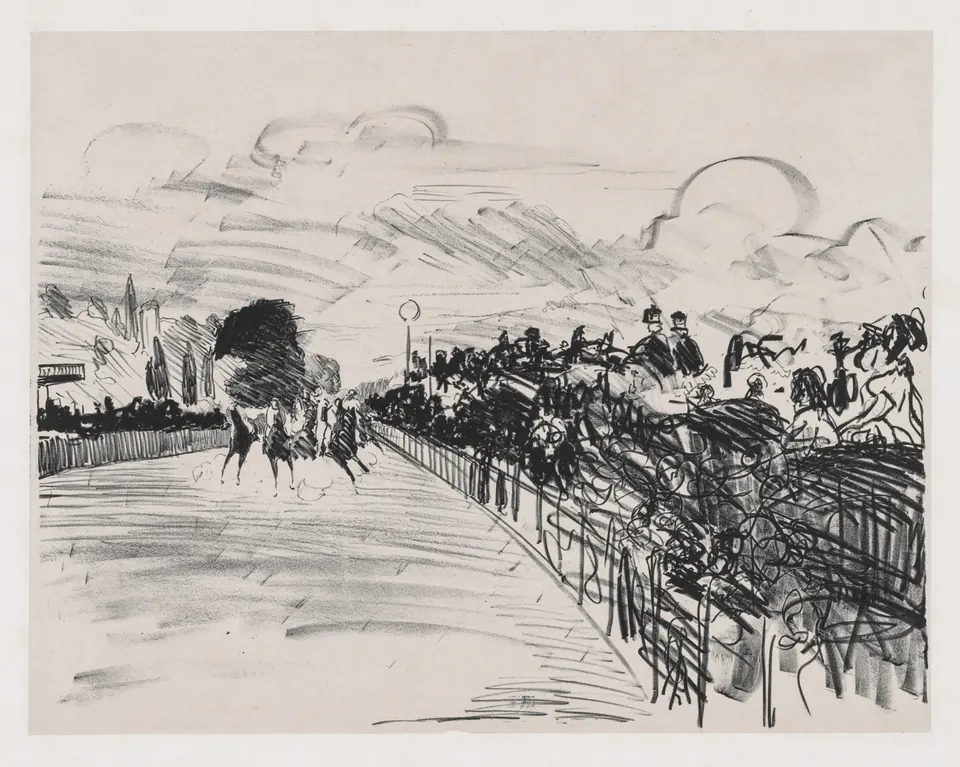
The Races
1865 · Cleveland Museum of Art · 1951.64
CC0 Public Domain Designation
Resized to 960 pixels wide and converted to WebP; no crop.
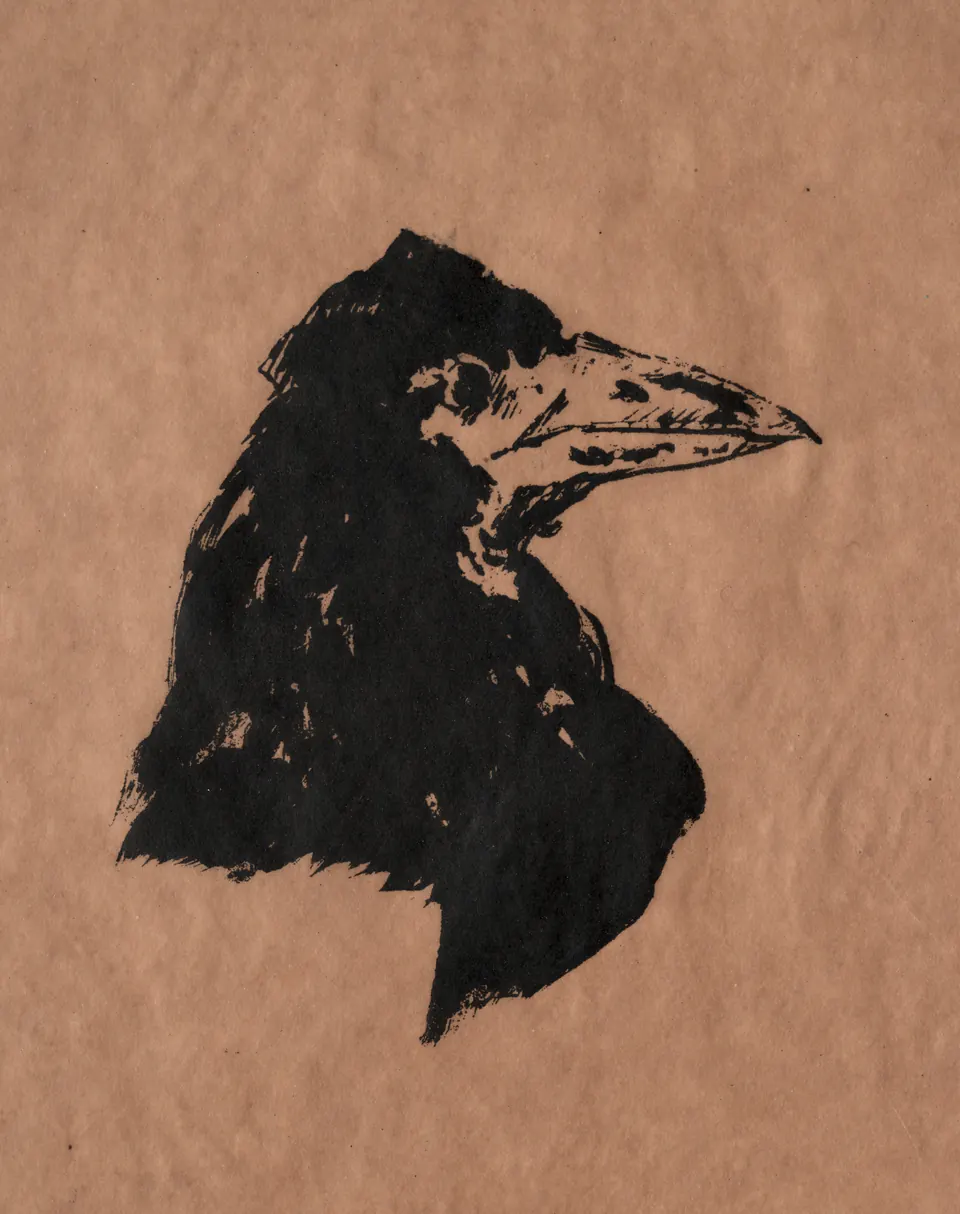
Raven's Head in Profile
1875 · Cleveland Museum of Art · 1923.215
CC0 Public Domain Designation
Resized to 960 pixels wide and converted to WebP; no crop.
Perched upon a Bust of Pallas
1875 · Cleveland Museum of Art · 1926.297
CC0 Public Domain Designation
Resized to 960 pixels wide and converted to WebP; no crop.
Sources and review method
We checked the artist chronology against museum records, treated each named jurisdiction separately, and recorded the provider policy for the image set. These sources support the legal framework and artist dates used above; the source file for any individual image still needs its own record.
- The Races at Longchamp — Art Institute of Chicago. Feature identity, accession, 1877 sale provenance, early publication and exhibition history, and CC0 file status.
- Open Access Images — Art Institute of Chicago. Files labelled CC0 Public Domain Designation may be reused for commercial and non-commercial purposes.
- At the Café — Cleveland Museum of Art. Impression identity, the record of its 1874 appearance in L’Europe, accession and CC0 image status.
- Raven's Head in Profile — Cleveland Museum of Art. Impression identity and its documented role in Mallarmé’s published 1875 edition of The Raven.
- Open Access — Cleveland Museum of Art. Cleveland releases eligible collection images and metadata under CC0 for commercial and non-commercial reuse.
- Directive 2006/116/EC, Article 1 — EUR-Lex. The EU term for an artistic work is the author’s life plus 70 years.
- How long copyright lasts — UK Government. UK guidance gives 70 years after the author’s death for artistic works.
- Law No. 5846 on Intellectual and Artistic Works, Article 27 — WIPO Lex. The Turkish economic-rights term is the author’s life plus 70 years.
- Circular 15A: Duration of Copyright — U.S. Copyright Office. The 2026 term table places works published before 1931 outside the maximum 95-year publication term.
- Certain Unpublished, Unregistered Works Enter Public Domain — U.S. Copyright Office. Older unpublished works have a separate U.S. term analysis; discovery and first-publication history can matter.
- 17 U.S.C. Chapter 3, including §303 — U.S. Copyright Office. Section 303 states the transition rules and minimum 2002 or 2047 expiry floors for works that were unpublished on 1 January 1978.
- Visual Artists: Publication — U.S. Copyright Office. Distribution can publish a visual artwork, while public display by itself does not establish publication.
- Compendium of U.S. Copyright Office Practices, Chapter 900, §909.3(A) — U.S. Copyright Office. A purely faithful scan or “slavish copy” does not add registrable authorship, while substantial restoration or alteration can require a separate analysis.
- Copyright notice: digital images, photographs and the internet — UK Intellectual Property Office. A digital image can require a separate rights and website-terms check even when its subject is old.
Editorial record
About this article
- Author
- Publisher
- GeMarkt
- Published
- Reviewed
- Internal source & rights check. Conducted by GeMarkt Research Review. This is an internal editorial check—not independent peer review.
- Source standard
- Rights guide source standardSeparates the underlying work from the source file, records the review date, and links the evidence used for the conclusion.
Found a claim that needs checking? Report a factual error.