GeMarkt Journal · Practical guide
Is Henri Rousseau's Art Public Domain? Yes—for 12 Checked Works
Rousseau's established art is public domain in the markets checked here, but U.S. publication history, attribution, and the exact museum file still need separate proof.
Rights check · reviewed
The short answer
Yes—for established works by Henri Rousseau in the checked life-plus-70 markets and for the 12 named institutional works with pre-1931 U.S. sale, gift, consignment, issue, or reproduced-publication evidence. Attribution, object history, exact museum file, and modern intervention remain separate checks.
| What is being checked | Result | Why |
|---|---|---|
| European Union | Public domain | Rousseau died in 1910. His established sole-authored works are beyond the ordinary life-plus-70 term. |
| United Kingdom & Türkiye | Public domain | The checked ordinary economic-rights frameworks use life plus 70; established Rousseau works entered that period on 1 January 1981. |
| United States — named 12-work set | Clear for the documented works | Each selected work has pre-1931 sale, gift, consignment, journal issue, or reproduced-publication evidence. Salon display alone is not used as publication. |
| Attribution, object, or digital file | Check the exact record | A Rousseau composition, physical painting or print, attribution, museum photograph, restoration, and local derivative do not share one provenance or rights statement. |
This guide clears two Met, two AIC, two Cleveland, and six NGA work-and-file records. It answers jungle-painting intent through The Repast of the Lion without clearing every object or online image labelled Rousseau worldwide.
This is a documented research summary, not legal advice. Copyright and moral-rights rules can vary by country and by the history of a particular work.

What we’ll look at
When can a Henri Rousseau work be reused, and why do the artist's death, a Salon display, a sale or reproduced copy, the physical painting, and the museum file answer different questions?
The useful answer is yes for Henri Rousseau’s established works in the life-plus-70 markets checked here, and yes in the United States for the 12 named works whose publication histories are documented below—not automatically for every object, attribution, restoration, or image returned by a search engine. Rousseau died in 1910. That makes the ordinary author-based term straightforward in much of Europe, the United Kingdom, and Türkiye. The United States requires a second question: how and when did this particular work leave private control or circulate in copies?
That distinction matters especially for Rousseau. His paintings appeared at independent Salons, passed through small dealer networks, were given to friends, and became subjects of early monographs. Those events are not legally interchangeable. Public display alone is not publication under the Copyright Office’s visual-art guidance. A sale or gift by the artist, a consignment offered through a dealer, the issue of a lithograph in a journal, or distribution of a reproduced copy can be publication evidence.
This guide therefore keeps five records separate:
- the composition attributed to Rousseau;
- the physical painting, drawing, or print identified by an accession;
- the work’s publication or unpublished-work chronology in the United States;
- the exact museum photograph, scan, or IIIF file and its provider statement;
- GeMarkt’s resize and conversion, or any more creative modern intervention.
It is a research summary, not legal advice. Its answer is deliberately bounded to named markets, objects, and files.
The short answer is yes for the documented set
The release set contains two Metropolitan Museum of Art paintings, two Art Institute of Chicago records, two Cleveland Museum of Art paintings, and six National Gallery of Art records. The Met marks both selected images Public Domain and supplies them through Open Access. AIC applies its CC0 Public Domain Designation to the selected files. Cleveland publishes the selected files as CC0. The NGA says the media on all six selected object pages are free and in the public domain.
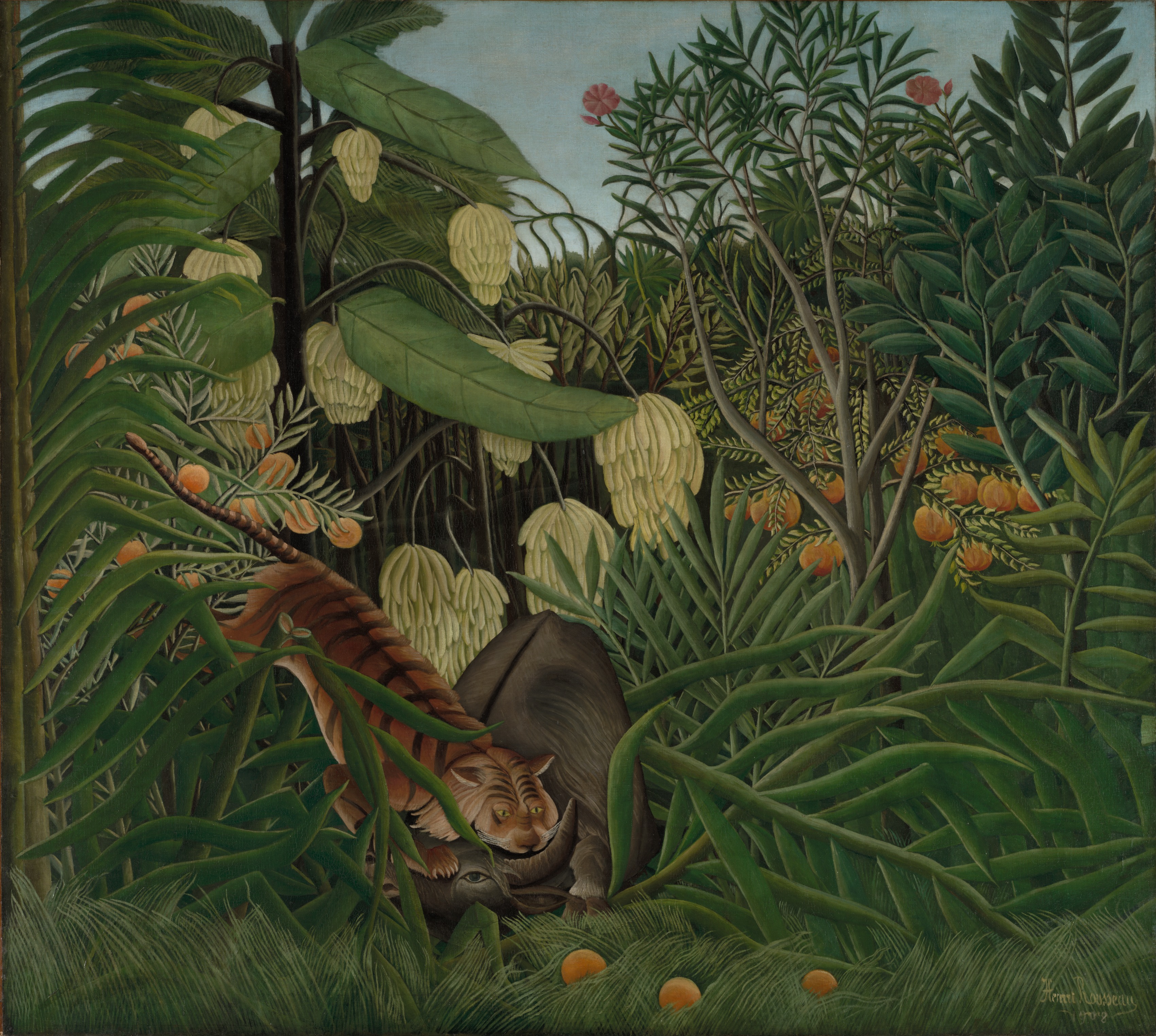
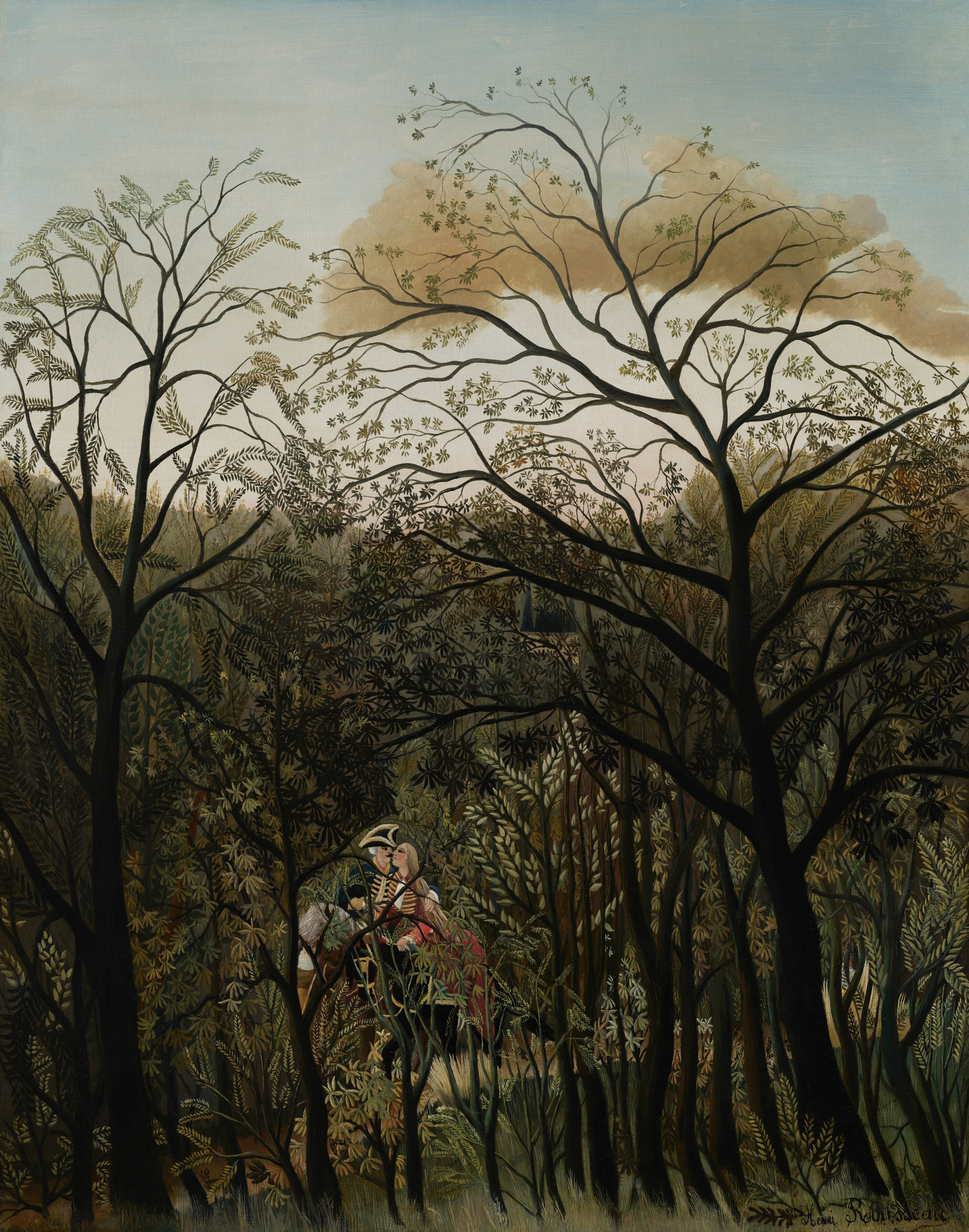
The works span much more than the shorthand “jungle painter.” The Repast of the Lion, The Equatorial Jungle, Fight Between a Tiger and a Buffalo, and Tropical Forest with Monkeys show four different ways Rousseau built an imagined tropical world. Sawmill, Outskirts of Paris, The Banks of the Bièvre near Bicêtre, Outskirts of Paris, and Mess Downstream, the Auteuil Quai belong to the observed or reconstructed edges of the modern city. Boy on the Rocks, Self-Portrait, Rendezvous in the Forest, and the lithograph La Guerre introduce portraiture, fantasy, and political allegory.
The answer does not automatically include:
- a work catalogued as “attributed to,” “after,” “school of,” or “formerly attributed to” Rousseau;
- a painting with no resolved U.S. publication or unpublished-work history;
- a Salon date treated as publication without a sale, transfer, offer, or distributed copy;
- a modern conservation image, colour reconstruction, composite, or altered scan;
- a marketplace photograph, book scan, social-media crop, or search-result thumbnail;
- a museum file whose terms differ from the exact open-access files checked here.
Age resolves only part of the decision.
Death date clears life plus 70 markets
Article 1 of the European Union term directive uses the author’s life plus 70 years. UK government guidance gives 70 years after the creator’s death for artistic works. Article 27 of Türkiye’s Law No. 5846 applies the same ordinary economic-rights period. Rousseau died on 2 September 1910, so his established sole-authored works passed through that ordinary term at the end of 1980 and entered the corresponding public-domain period on 1 January 1981.
| Market checked | Rule used here | Result for established works by Rousseau |
|---|---|---|
| European Union | author’s life plus 70 years | public domain |
| United Kingdom | 70 years after the creator’s death | public domain |
| Türkiye | economic rights ordinarily last life plus 70 | public domain |
“Established” is doing important work. The death date does not prove that an unsigned landscape is by Rousseau. It does not resolve a modern restoration, photograph, translation, trademark, cultural-property rule, or contract. Moral rights and attribution duties can also survive or operate differently from economic copyright. The object record still matters.
The US answer depends on how a work left private control
The U.S. Copyright Office defines publication through distribution of originals or copies by sale, transfer, rental, lease, or lending, and through an offer to distribute copies for further distribution, public performance, or public display. It also says that public display by itself is not publication. In 2026, Circular 15A’s published-work table places works published before 1 January 1931 beyond the maximum 95-year publication term.
That rule cannot be replaced with “Rousseau died in 1910.” A unique painting could have been shown publicly yet remain unpublished. A work still unpublished on 1 January 1978 enters the separate transition analysis in 17 U.S.C. §303, including the end-2002 floor and, for qualifying first publication by the end of 2002, a possible end-2047 floor. A newly found drawing therefore needs a real chronology.
The selected set avoids that uncertainty. Its records supply one or more pre-1931 distribution events: artist sale, artist gift, dealer consignment, auction, journal issue, or an identified reproduced publication. The evidence is attached to each named work rather than borrowed from Rousseau’s reputation as a whole.
Jungle paintings are not one rights category
Rousseau never travelled to the tropical places his jungle paintings seem to stage. The NGA explains that he developed them from Paris botanical gardens, the zoo, colonial expositions, books, and popular reproductions. That history is essential to interpreting the pictures, but “jungle” is not a copyright status.
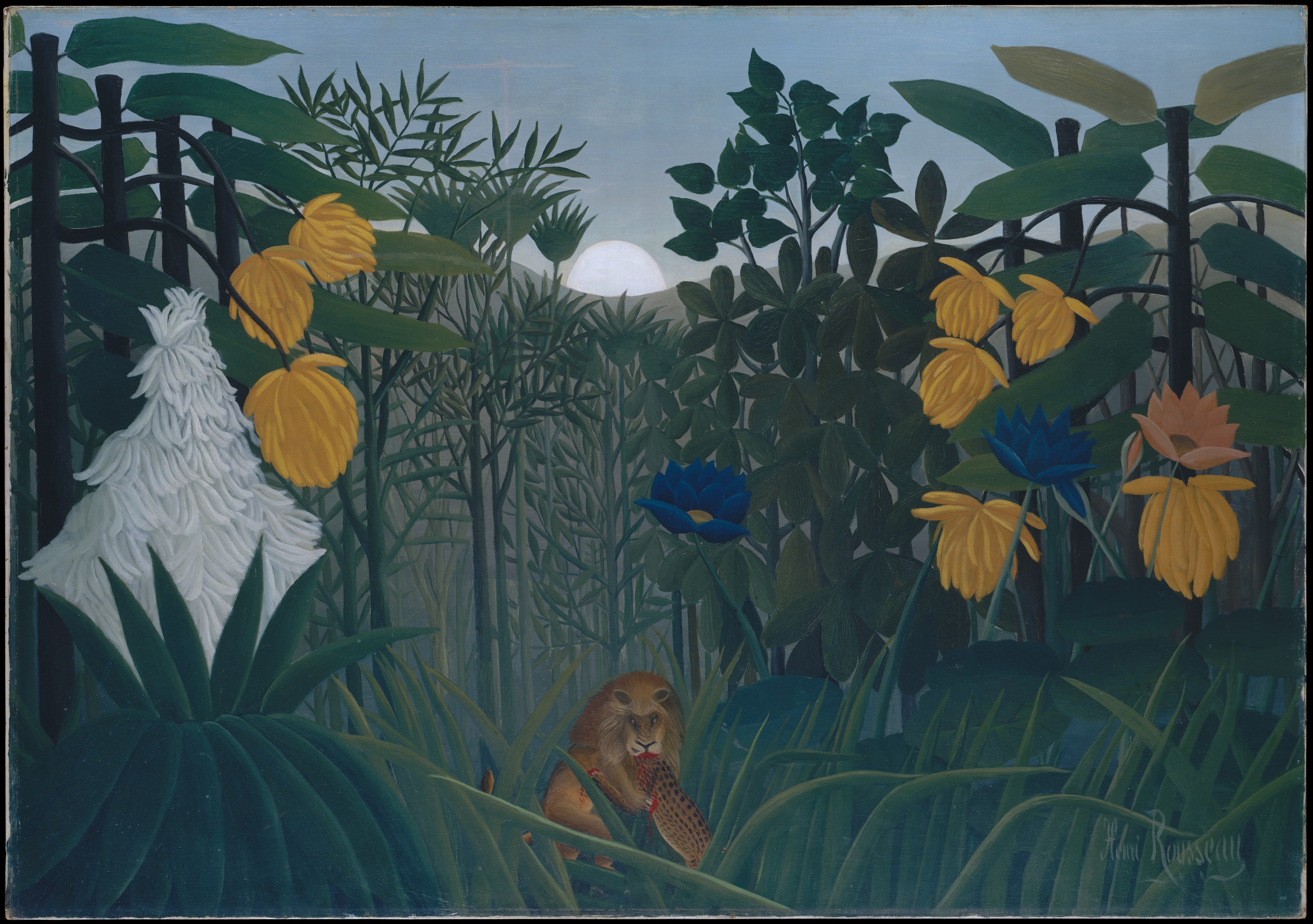
The Repast of the Lion was probably shown at the Salon d’Automne in 1907. The display is useful art history but not the U.S. publication conclusion. The stronger evidence is its appearance in Wilhelm Uhde’s 1911 and 1914 publications, followed by reproduced records in 1926, several 1927 books, and a 1928 collection catalogue. The exact Met painting is accession 51.112.5; the exact Open Access download is DT50.jpg.
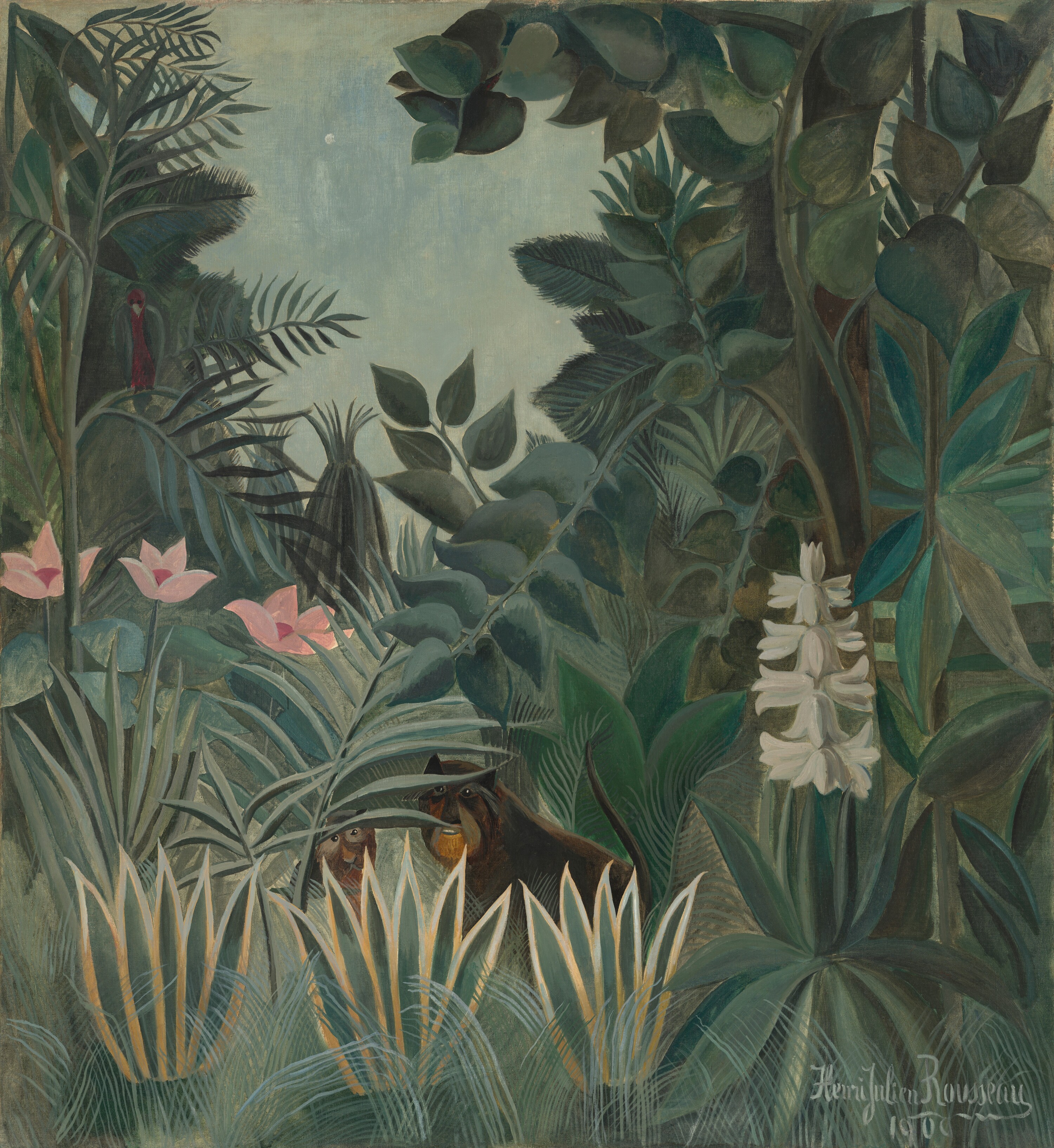
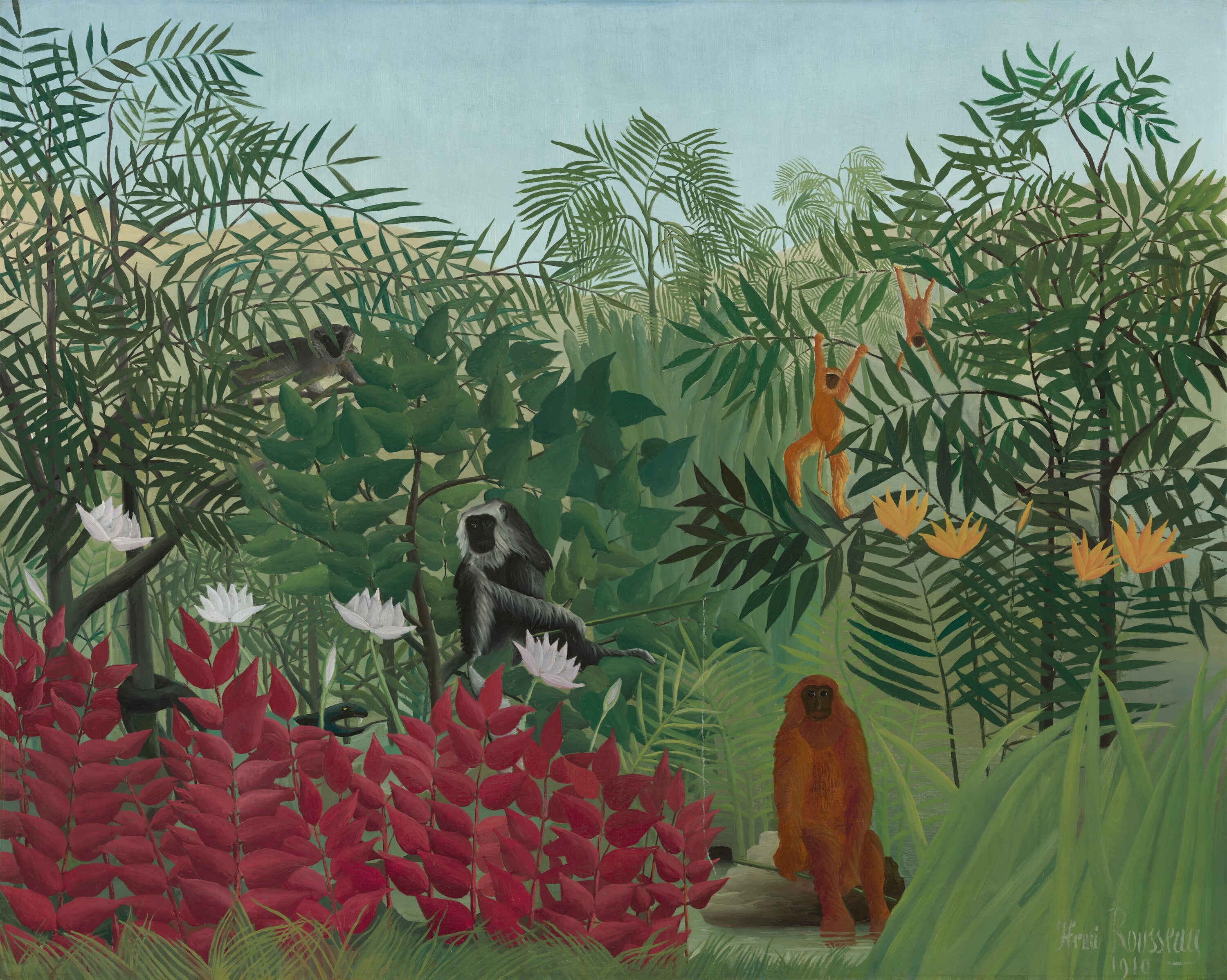
Tropical Forest with Monkeys has its own chain. The NGA object is accession 1982.76.7, and the institutional bibliography identifies the picture in Uhde’s 1911 and 1914 plates and a 1920 reproduction. The Equatorial Jungle is accession 1963.10.213 and passed through dealer sales in 1925 and 1928 before a reproduced 1929 catalogue. Cleveland’s Fight Between a Tiger and a Buffalo was bought from Rousseau by Ambroise Vollard on 14 December 1909 and sold to John Quinn in 1923.
Those four paintings can share a theme without sharing a provenance, publication event, accession, photograph, or download. A rights ledger should never collapse them into “Rousseau jungle image.”
Publication can be a sale gift consignment or reproduced copy
The 12 records demonstrate several valid evidence paths.
La Guerre is the clearest print case. Rousseau made the design in 1894, and Alfred Jarry and Rémy de Gourmont published the lithograph in the January 1895 issue of L’Ymagier. The NGA names the publishers, journal, issue, and publication date on accession 1964.8.1502. AIC holds another impression, but the release set counts the design once rather than inflating the ledger with two impressions of the same work.
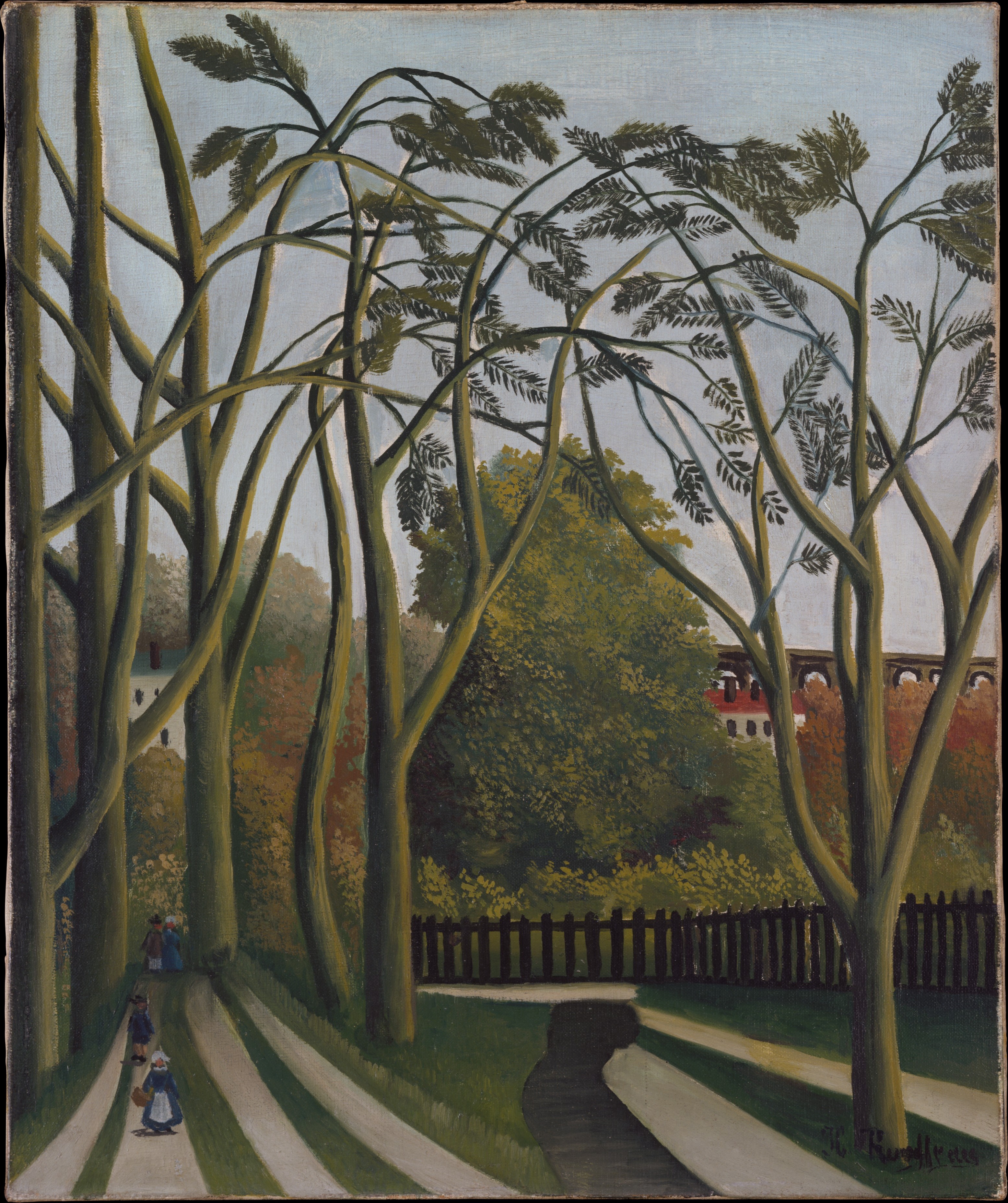
Transfers can be equally direct. Rousseau gave Rendezvous in the Forest to his baker in 1889. He gave Mess Downstream, the Auteuil Quai to Max Weber on 20 December 1908; AIC also records the drawing in the New York Times in 1910 and Camera Work in 1911. He consigned The Banks of the Bièvre near Bicêtre to Vollard for sale in 1909. Cleveland’s Fight Between a Tiger and a Buffalo records Vollard buying directly from Rousseau in 1909.
Other works have early public-market or copy histories. Boy on the Rocks sold at Hôtel Drouot in April 1927. Outskirts of Paris sold at Drouot in March 1927, was reproduced in Adolphe Basler’s 1927 book, passed through a New York gallery, and entered Cleveland’s collection in 1929. AIC’s Sawmill, Outskirts of Paris was reproduced in 1926 journals and several 1927 books. The MoMA catalogue on Rousseau identifies the pen-and-ink Self-Portrait as first published by Philippe Soupault; the NGA records Soupault’s 1927 book and the exact accession 1995.47.66.
No single event is silently substituted for another. Where reproduction is the evidence, the source identifies a reproduced copy. Where a transfer is the evidence, the provenance says who transferred the object and when.
Why The Repast of the Lion is the feature
The Met’s The Repast of the Lion is a strong answer to the user’s likely first question—whether an iconic Rousseau jungle image can be reused—without pretending to stand for every jungle painting. The Met names Rousseau, dates the work to about 1907, identifies accession 51.112.5, labels the image Public Domain, and supplies the exact Open Access JPEG for unrestricted commercial and noncommercial use.
The source file measured 3780 × 2660 pixels and 2,257,482 bytes when processed. GeMarkt resized it to 1280 × 901 pixels, converted it to WebP, and did not crop it. The 76,546-byte local master has SHA-256 035a0e783743d2858276e170fd5d018006bf980dcb1a1f47f3cd5d96d3217607.
That transformation is intentionally modest. The painted edges remain visible. No leaves were generated, no missing canvas was reconstructed, no colour was invented, and the lion was not enlarged into a new composition. The four responsive delivery files are deterministic derivatives of that registered master.
The feature answer does not cover a different photograph of the painting, a poster vendor’s file, a museum-store reproduction, or a newly colour-graded restoration. Those need their own file and terms records.
The museum file is a separate record
The old painting and its digital surrogate are related but not identical evidence. The Met’s Open Access policy applies to files it marks Public Domain. AIC’s CC0 designation applies at the item level. Cleveland’s CC0 fields identify its selected downloads. The NGA’s Open Access statement covers images it makes available as free and public domain. None of those statements automatically binds another institution or image host.
The Copyright Office’s visual-art guidance distinguishes a faithful copy from a version with enough new authorship. The UK Intellectual Property Office similarly warns that a digital image can present a separate rights question. Restoration, compositing, translated labels, background extension, selective recolouring, and generative inpainting can create new material or obscure provenance even when the underlying Rousseau work is public domain.
An operational record should keep:
- full title, artist attribution, date, medium, accession, and institution;
- the pre-1931 distribution or reproduced-publication evidence used for the U.S. result;
- the exact object-page URL and direct source-file URL;
- the provider’s item-level rights label and policy reviewed;
- local dimensions, checksum, and transformation statement;
- a new review whenever the provider record or production file changes.
“Downloaded from the internet” is not provenance.
Twelve open files form the release boundary
The release ledger contains exactly 12 distinct works, not 12 rows created by counting a second impression, page view, recto and verso, or alternate photograph. Each has a direct institutional object page, exact open file, local WebP derivative, accession, and work-specific U.S. evidence.
The provider balance is two Met, two AIC, two Cleveland, and six NGA records. The range is deliberate: jungle, suburban landscape, portrait, allegory, painting, drawing, and print. It does not claim to rank Rousseau’s “best” works. It identifies a rights-complete teaching and reuse set.
Future additions must pass the same gates. An attractive painting with an open museum file is still excluded if the U.S. work chronology is unresolved. An old work with a clear chronology is still excluded if the exact supplied image has no usable institutional terms. A second impression of La Guerre is not a thirteenth distinct composition.
A practical Rousseau reuse checklist
Before using a Rousseau image commercially:
- confirm that the institution attributes the object to Henri Rousseau without qualification;
- record the exact title, date, medium, accession, and holding institution;
- name the market in which reuse will occur rather than saying “free worldwide”;
- for the United States, locate the sale, gift, consignment, issue, distributed copy, or §303 chronology for that work;
- do not treat Salon display alone as publication;
- download the exact institutional file and preserve its rights label and policy URL;
- document resize, crop, colour, repair, compositing, translation, and generative changes;
- check trademark, privacy/publicity, moral-rights, endorsement, and platform rules separately;
- recheck the object and file immediately before production release;
- keep the museum’s name as provenance, not as an endorsement claim.
The sequence is slower than copying a public-domain badge, but it produces a record that can survive a later audit.
Where Rousseau fits inside GeMarkt
Rousseau belongs beside the Post-Impressionisms chapter because his work exposes the limits of a single period label. His independent-Salon career also connects naturally to the Manet public-domain guide, while the dreamlike and symbolic uses of colour lead toward the Odilon Redon public-domain guide. Public Domain Is Not a Free-for-All explains why the historical composition and exact file remain separate. GeMarkt’s copyright approach states the operational boundary.
The future collection path /collections/henri-rousseau/ is reserved but not published. No product, collection, wallpaper room, Turkish guide, or legacy allowlist entry is created here. Until a real production set has been restored, checked, and prepared for an actual format, the honest internal link is research—not a fabricated shop promise.
Rights-checked image ledger
A documented starting set
These files were selected from the holding institutions rather than from search-result copies. Each card keeps the artwork record, exact source file, provider statement and GeMarkt transformation visible as separate facts.
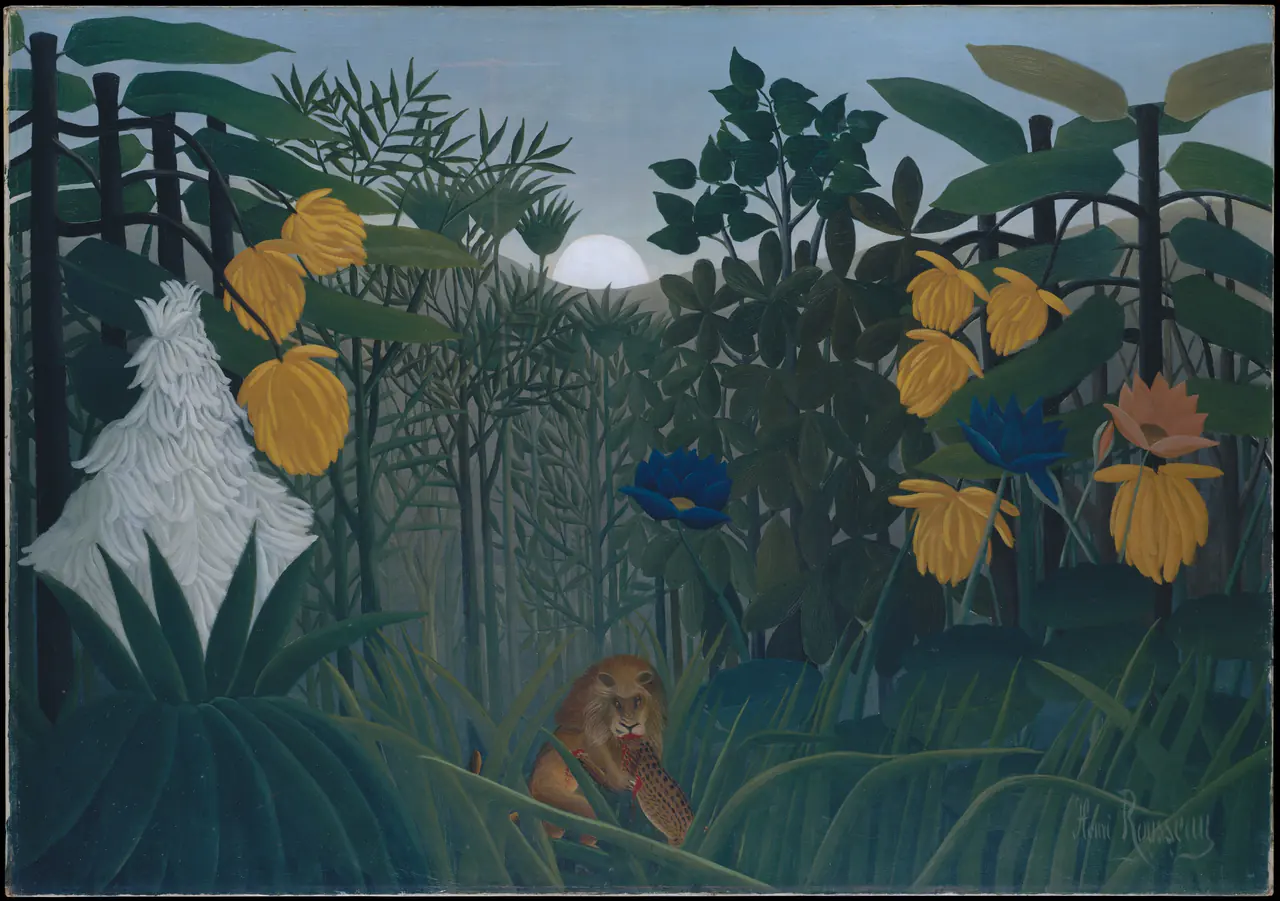
The Repast of the Lion
ca. 1907 · The Metropolitan Museum of Art · 51.112.5
Public Domain / Open Access (CC0)
Resized to 1280 pixels wide and converted to WebP; no crop.
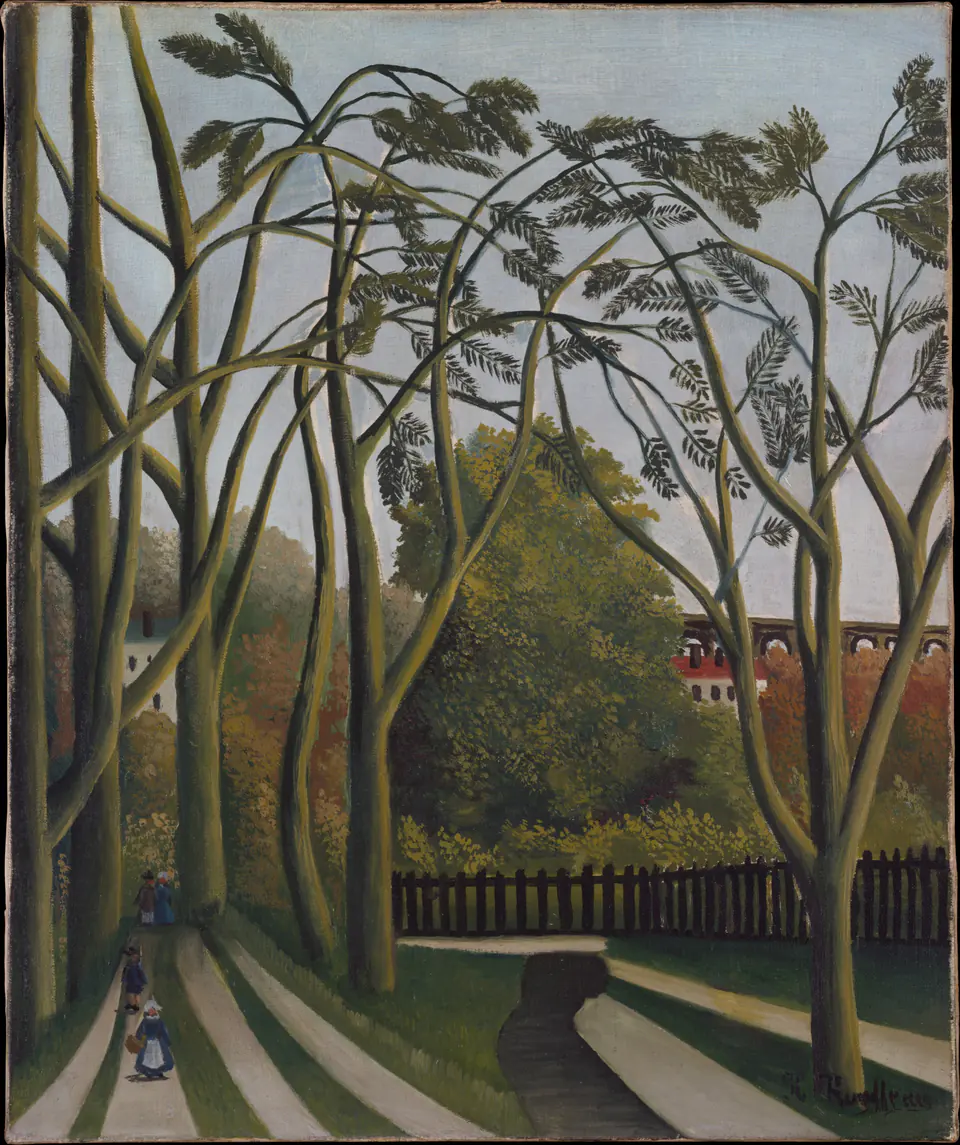
The Banks of the Bièvre near Bicêtre
ca. 1908–09 · The Metropolitan Museum of Art · 39.15
Public Domain / Open Access (CC0)
Resized to 960 pixels wide and converted to WebP; no crop.
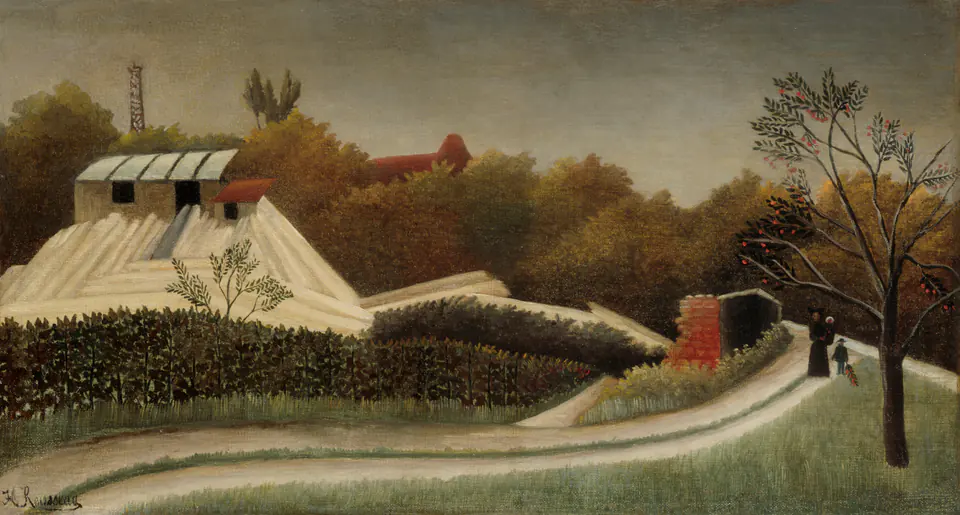
Sawmill, Outskirts of Paris
c. 1893/95 · Art Institute of Chicago · 1950.133
CC0 Public Domain Designation
Resized to 960 pixels wide and converted to WebP; no crop.

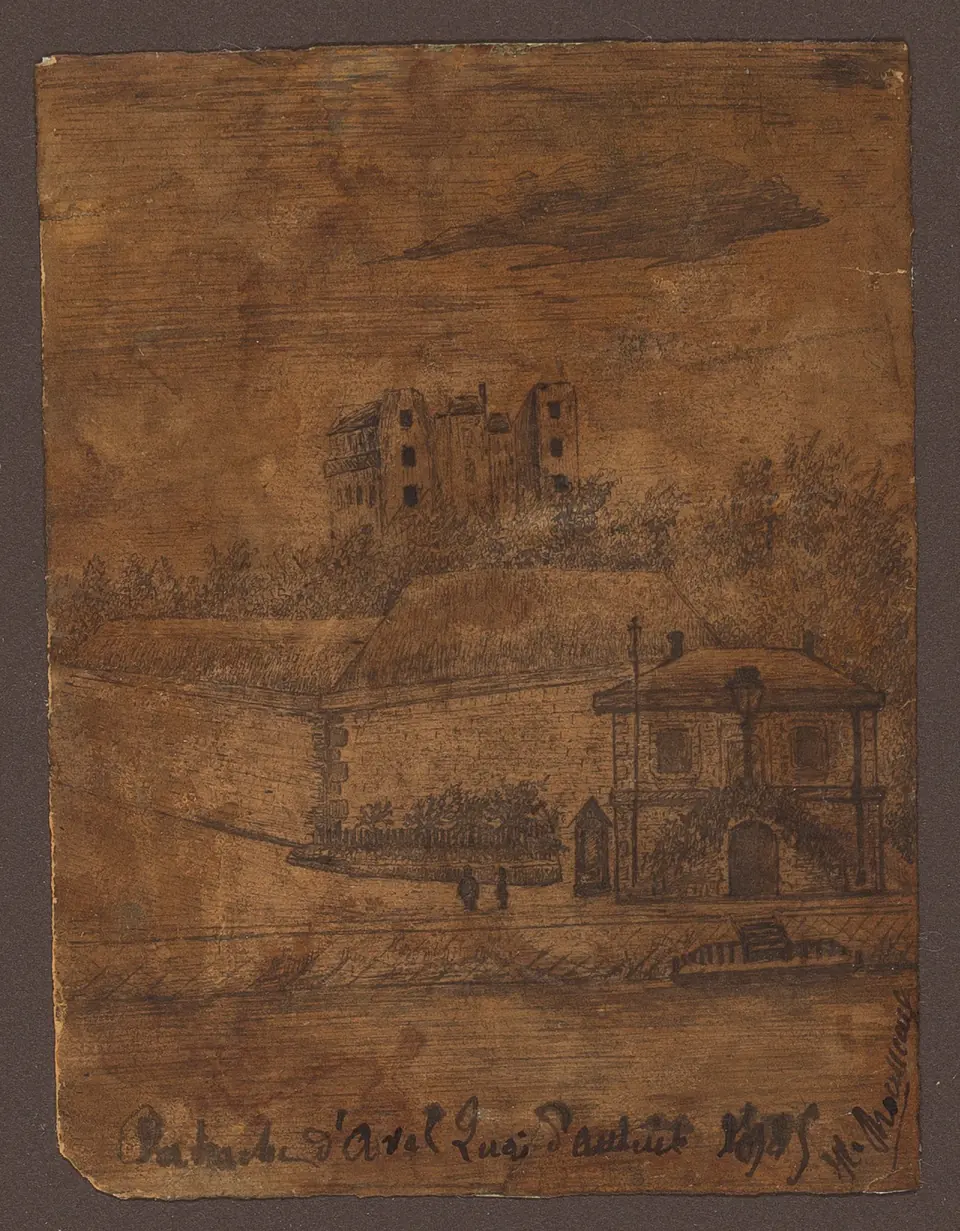
Mess Downstream, the Auteuil Quai
1885 · Art Institute of Chicago · 2013.1020
CC0 Public Domain Designation
Resized to 960 pixels wide and converted to WebP; no crop.

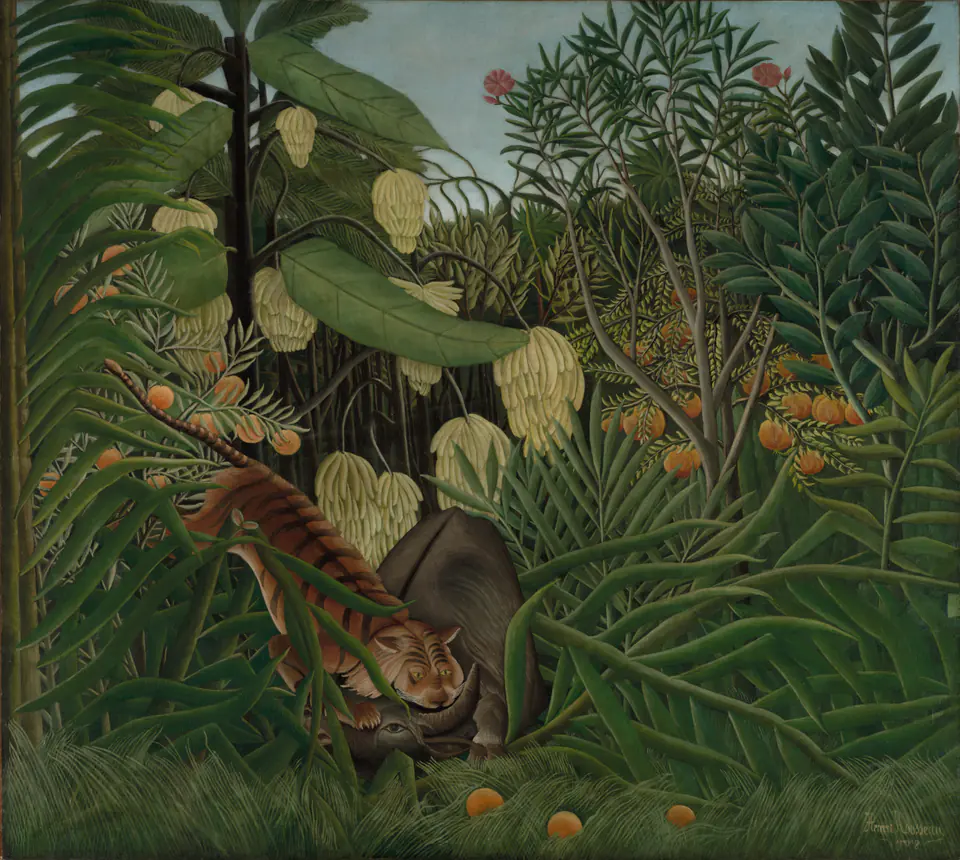
Fight Between a Tiger and a Buffalo
1908 · Cleveland Museum of Art · 1949.186
CC0 Public Domain / Open Access
Resized to 960 pixels wide and converted to WebP; no crop.
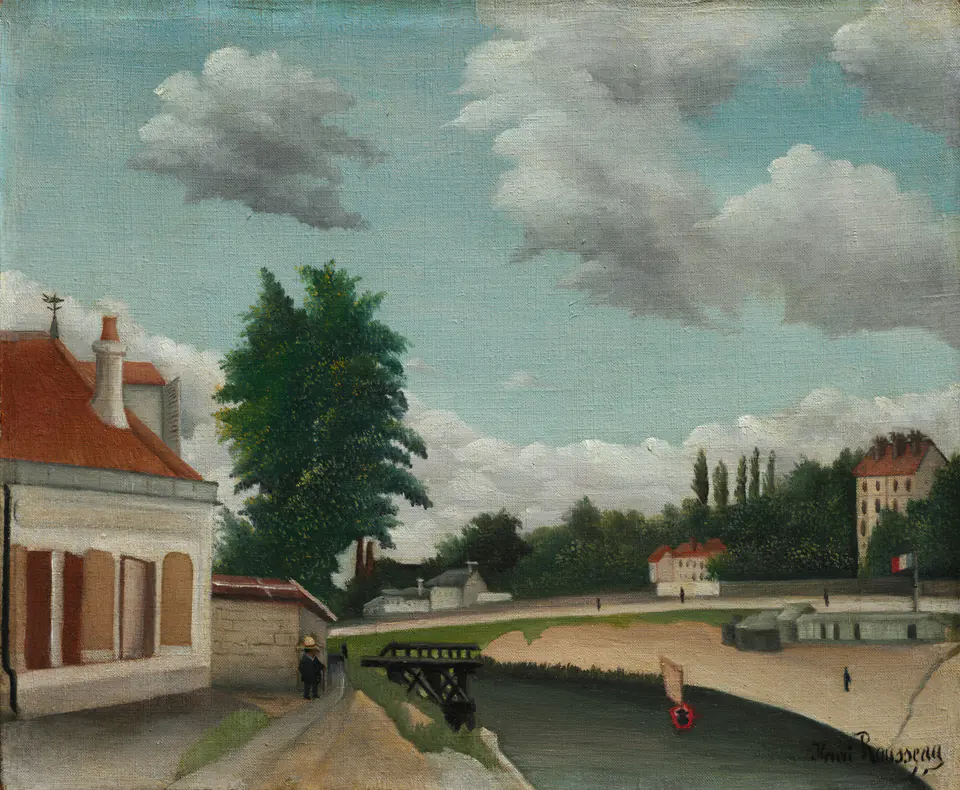
Outskirts of Paris
c. 1897–1905 · Cleveland Museum of Art · 1929.951
CC0 Public Domain / Open Access
Resized to 960 pixels wide and converted to WebP; no crop.
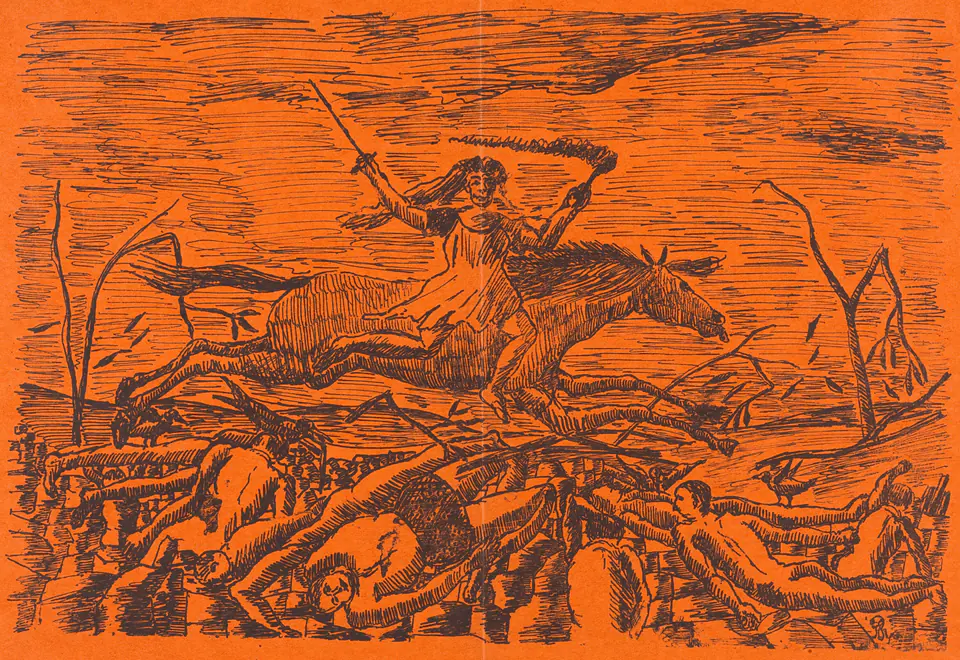
La Guerre (The War)
1894 (published 1895) · National Gallery of Art · 1964.8.1502
Public Domain / Open Access
Resized to 960 pixels wide and converted to WebP; no crop.

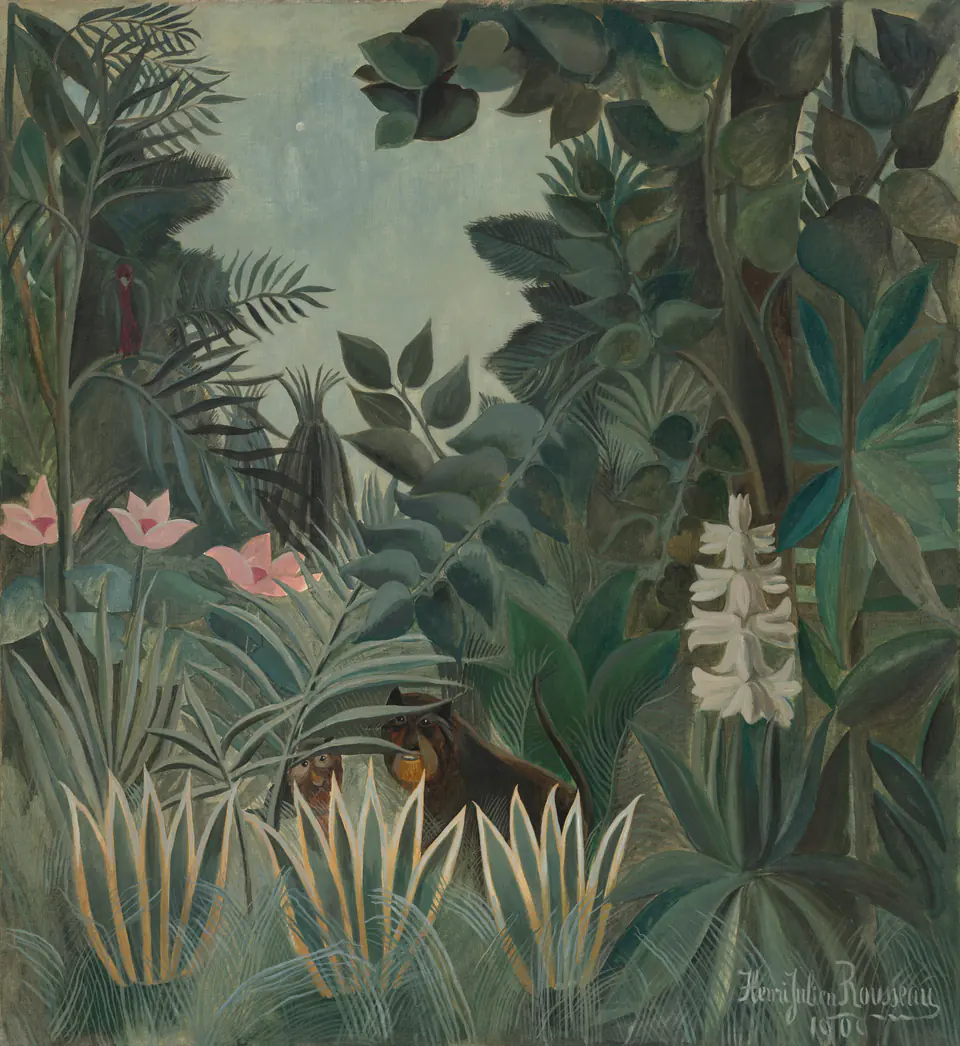
The Equatorial Jungle
1909 · National Gallery of Art · 1963.10.213
Public Domain / Open Access
Resized to 960 pixels wide and converted to WebP; no crop.
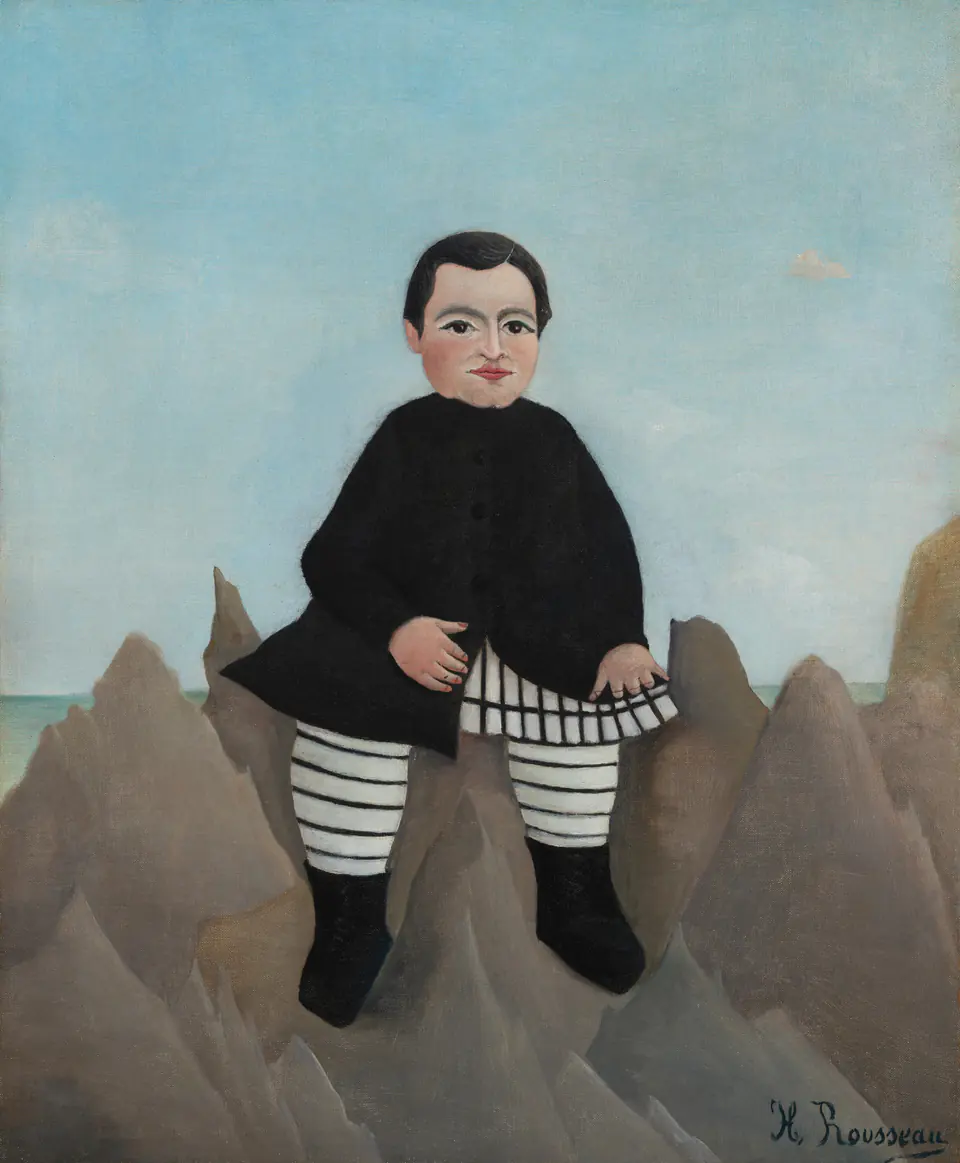
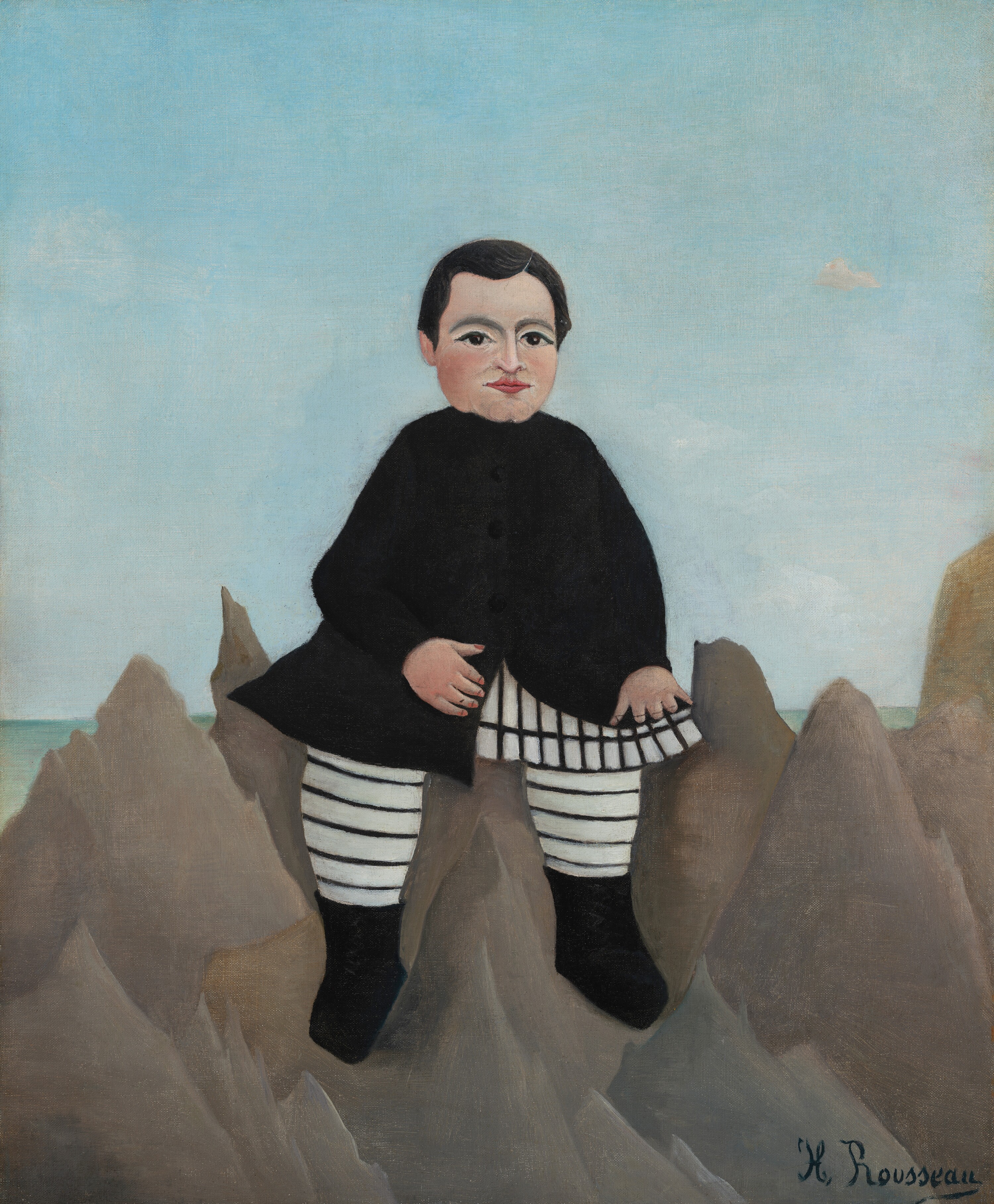
Boy on the Rocks
1895/97 · National Gallery of Art · 1963.10.63
Public Domain / Open Access
Resized to 960 pixels wide and converted to WebP; no crop.
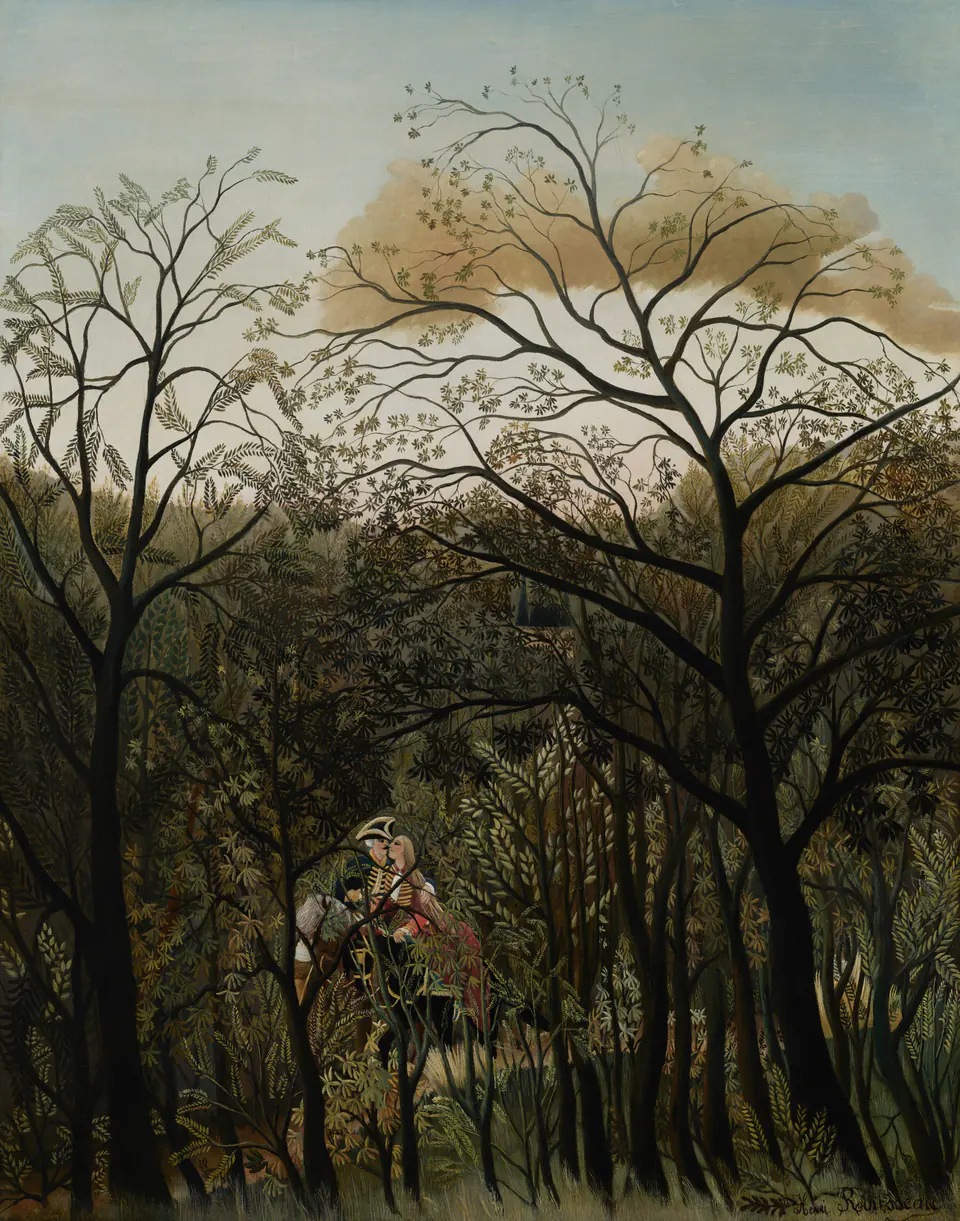
Rendezvous in the Forest
1889 · National Gallery of Art · 1972.9.20
Public Domain / Open Access
Resized to 960 pixels wide and converted to WebP; no crop.
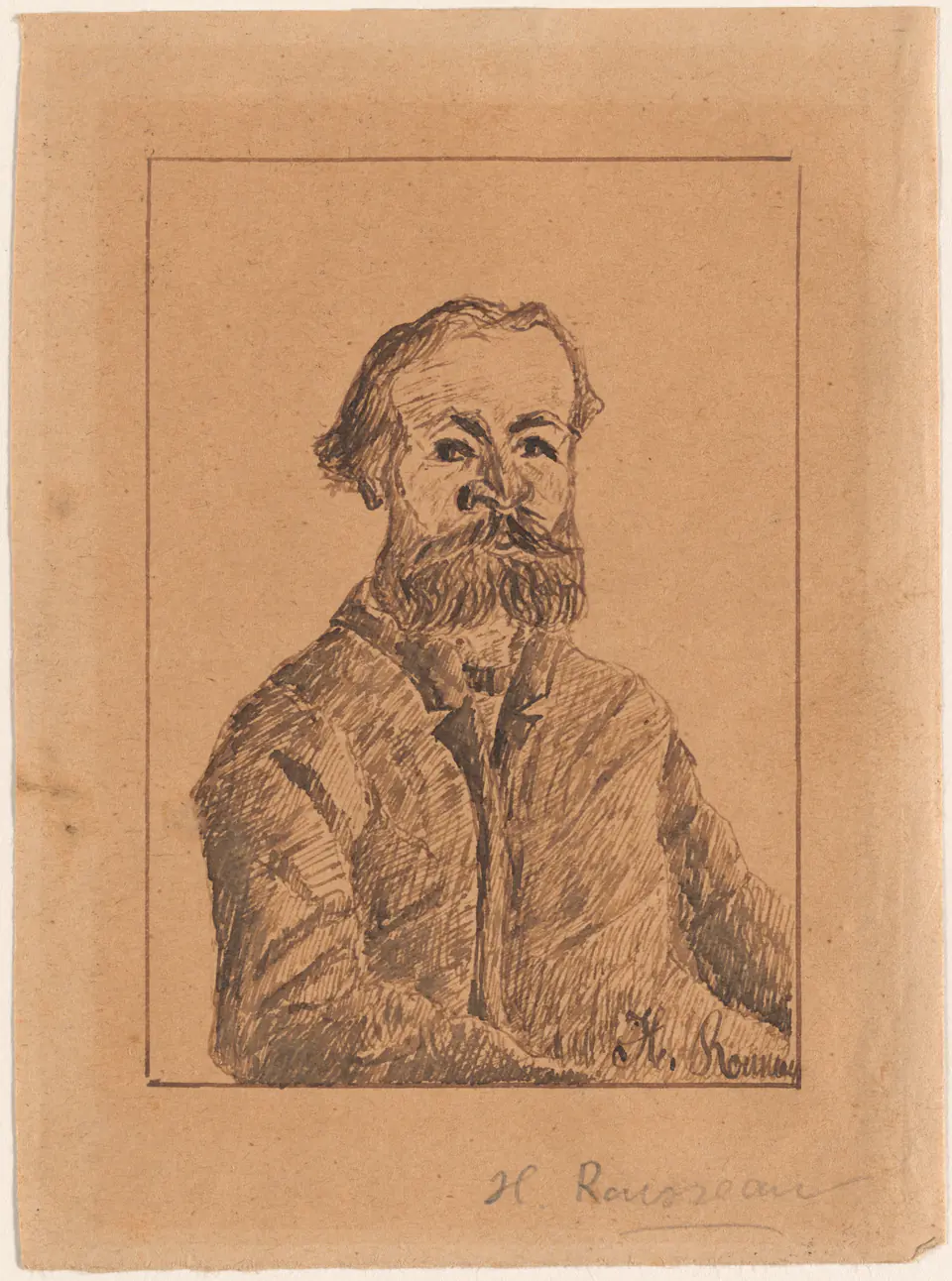
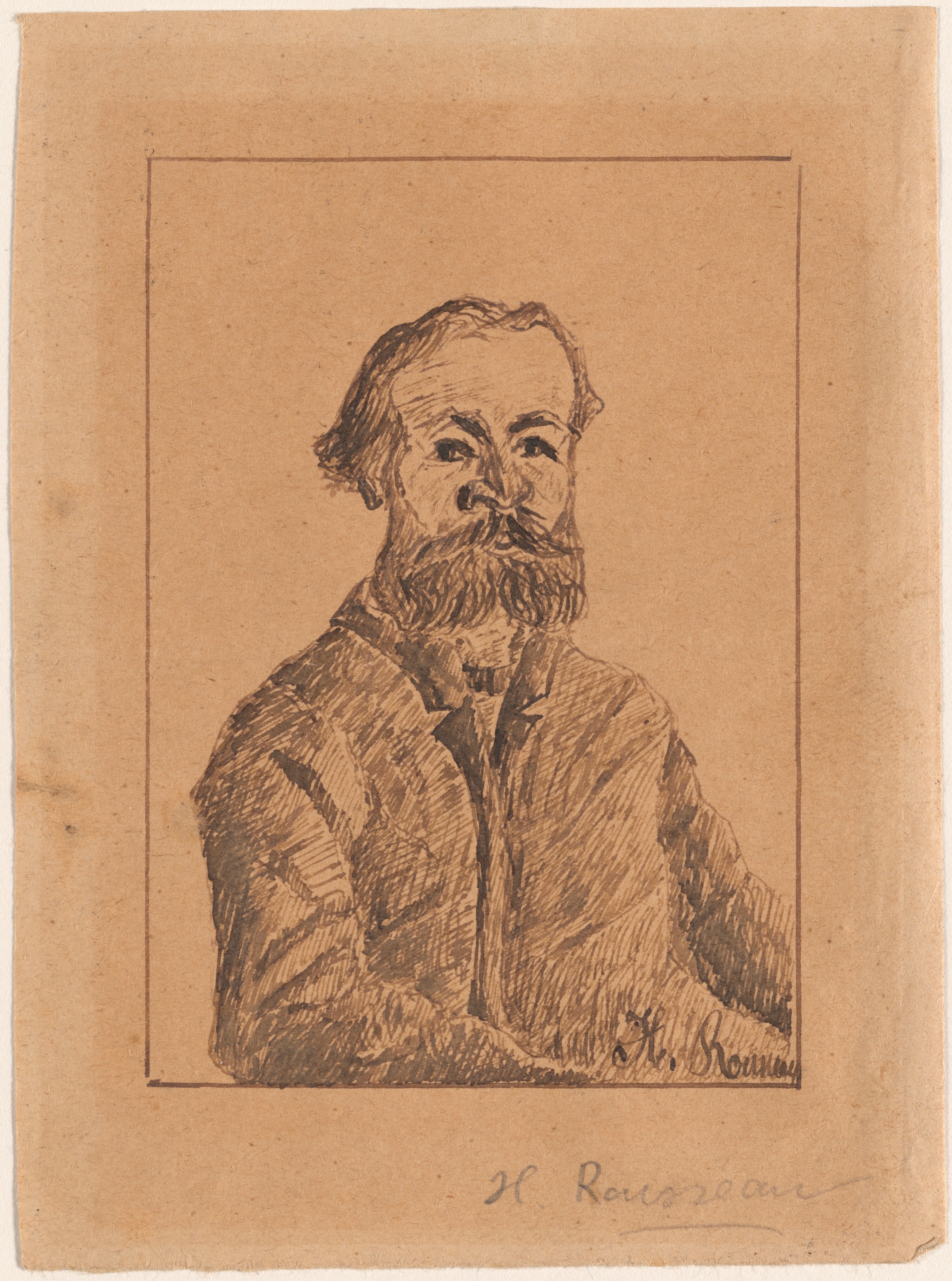
Self-Portrait
1895 · National Gallery of Art · 1995.47.66
Public Domain / Open Access
Resized to 960 pixels wide and converted to WebP; no crop.
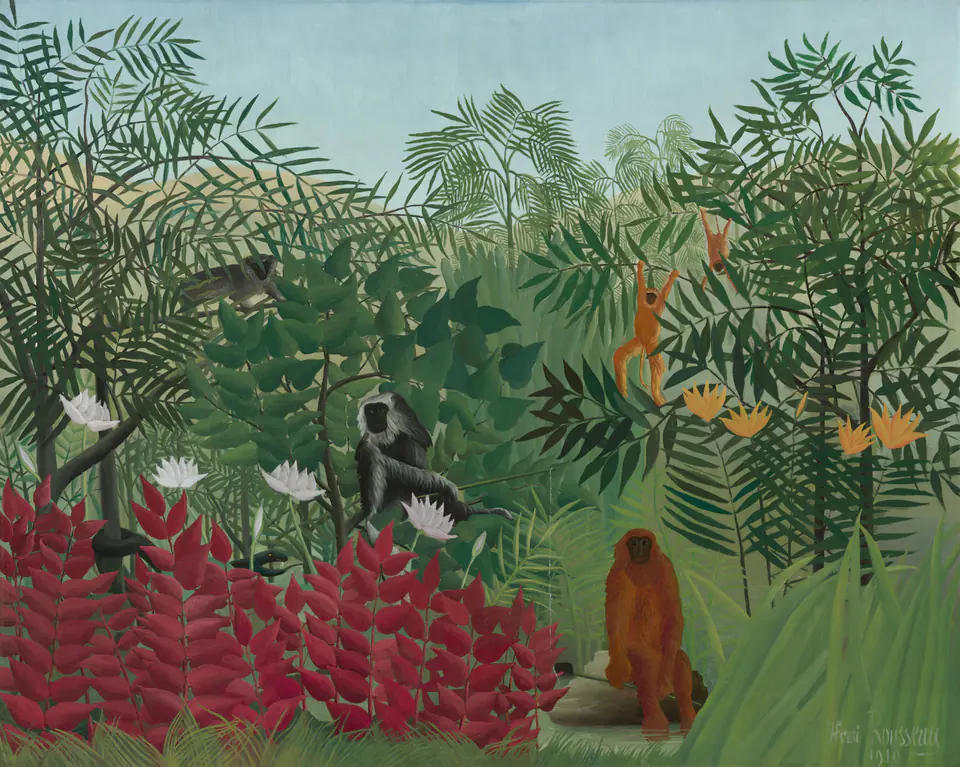
Tropical Forest with Monkeys
1910 · National Gallery of Art · 1982.76.7
Public Domain / Open Access
Resized to 960 pixels wide and converted to WebP; no crop.
Sources and review method
We checked the artist chronology against museum records, treated each named jurisdiction separately, and recorded the provider policy for the image set. These sources support the legal framework and artist dates used above; the source file for any individual image still needs its own record.
- The Repast of the Lion — The Metropolitan Museum of Art. Feature identity, accession, exact Public Domain download, and institutional object history.
- The Banks of the Bièvre near Bicêtre — The Metropolitan Museum of Art. Object identity and Rousseau’s 1909 consignment to Ambroise Vollard for sale.
- Sawmill, Outskirts of Paris — Art Institute of Chicago. Object identity, exact CC0 IIIF file, and illustrated 1926–1927 publication history.
- Mess Downstream, the Auteuil Quai — Art Institute of Chicago. Exact drawing and file plus the artist’s 1908 gift and 1910–1911 publication records.
- Fight Between a Tiger and a Buffalo — Cleveland Museum of Art. Exact painting, CC0 file, purchase from Rousseau by Vollard in 1909, and 1923 sale to John Quinn.
- La Guerre (The War) — National Gallery of Art. Exact lithograph, publishers, journal issue, January 1895 publication, and open-access media.
- Henri Rousseau — The Museum of Modern Art. Institutional catalogue evidence that the NGA pen-and-ink Self-Portrait was first published by Philippe Soupault.
- Henri Rousseau: Essays — The Museum of Modern Art. Institutional catalogue histories for The Repast of the Lion and Tropical Forest with Monkeys, including pre-1931 reproduced publications.
- Open Access Images — Art Institute of Chicago. Files labelled CC0 Public Domain Designation may be reused for commercial and non-commercial purposes.
- Open Access — Cleveland Museum of Art. Cleveland releases eligible collection images and metadata under CC0 for commercial and non-commercial reuse.
- Image and Data Resources — The Metropolitan Museum of Art. The Met makes images marked Public Domain available for unrestricted use under its Open Access programme.
- Free Images and Open Access — National Gallery of Art. The NGA releases images of public-domain works that it believes are public domain and free of known restrictions.
- Directive 2006/116/EC, Article 1 — EUR-Lex. The EU term for an artistic work is the author’s life plus 70 years.
- How long copyright lasts — UK Government. UK guidance gives 70 years after the author’s death for artistic works.
- Law No. 5846 on Intellectual and Artistic Works, Article 27 — WIPO Lex. The Turkish economic-rights term is the author’s life plus 70 years.
- Circular 15A: Duration of Copyright — U.S. Copyright Office. The 2026 term table places works published before 1931 outside the maximum 95-year publication term.
- Certain Unpublished, Unregistered Works Enter Public Domain — U.S. Copyright Office. Older unpublished works have a separate U.S. term analysis; discovery and first-publication history can matter.
- 17 U.S.C. Chapter 3, including §303 — U.S. Copyright Office. Section 303 states the transition rules and minimum 2002 or 2047 expiry floors for works that were unpublished on 1 January 1978.
- Visual Artists: Publication — U.S. Copyright Office. Distribution can publish a visual artwork, while public display by itself does not establish publication.
- Compendium of U.S. Copyright Office Practices, Chapter 900, §909.3(A) — U.S. Copyright Office. A purely faithful scan or “slavish copy” does not add registrable authorship, while substantial restoration or alteration can require a separate analysis.
- Copyright notice: digital images, photographs and the internet — UK Intellectual Property Office. A digital image can require a separate rights and website-terms check even when its subject is old.
Editorial record
About this article
- Author
- Publisher
- GeMarkt
- Published
- Reviewed
- Internal source & rights check. Conducted by GeMarkt Research Review. This is an internal editorial check—not independent peer review.
- Source standard
- Rights guide source standardSeparates the underlying work from the source file, records the review date, and links the evidence used for the conclusion.
Found a claim that needs checking? Report a factual error.