GeMarkt Journal · Practical guide
Is Odilon Redon Public Domain? A Print-and-File Guide
Redon's 12 named prints are public domain in the markets checked here; portfolio publication, exact impression, and museum file still need separate records.
Rights check · reviewed
The short answer
Yes—for the 12 named lithographic designs and exact impressions documented here in France, the European Union, United Kingdom, Türkiye, and United States. The answer does not automatically clear every Redon painting, pastel, proof, state, or digital file.
| What is being checked | Result | Why |
|---|---|---|
| France, European Union & United Kingdom | Public domain | Redon died in 1916. The harmonised 70-year economic term had expired before 1987; the French Cour de cassation says that term normally absorbs the historic wartime extensions. |
| Türkiye | Public domain | Türkiye applies a life-plus-70 economic-rights term. Redon’s established works are beyond it. |
| United States | Clear for the 12 published designs and impressions below | The selected prints were issued before 1931, and their French source-country term had expired before the URAA restoration date. A private or uncertain proof still needs its own review. |
| Museum image or download | Check the exact impression and file | Portfolio, plate, state, edition, physical impression, scan, and local derivative are distinct. Preserve the accession, source endpoint, and CC0 statement together. |
This guide separates source-country term, U.S. publication and restoration, portfolio, plate, state, edition, exact impression, and institutional file. It makes no blanket worldwide claim.
This is a documented research summary, not legal advice. Copyright and moral-rights rules can vary by country and by the history of a particular work.

What we’ll look at
When can a Redon print be reused, and why must its portfolio, state, edition, impression, and digital file remain separate?
The practical answer is yes for the 12 Odilon Redon print designs, impressions, and institutional files documented here—not automatically for every Redon work or every image online. Redon died in 1916, so his established works are beyond the ordinary economic-rights term in the European Union, France, United Kingdom, and Türkiye. The selected prints were also published in named portfolios or editions before 1931.
The word “print” hides several records:
- Redon’s underlying design and the country where its copyright term is being tested;
- the portfolio, book, or edition through which copies were distributed;
- a plate’s state and the edition to which an impression belongs;
- the exact physical sheet photographed by a museum;
- the museum file and GeMarkt’s local WebP derivative.
This is a research summary, not legal advice. It does not convert a surname into worldwide clearance.
The short answer is yes for the named print set
The ledger contains six Art Institute of Chicago impressions and six Cleveland Museum of Art impressions. Both institutions designate the exact files CC0. The selected designs date from 1879 to 1899 and belong to distributed projects including In Dreams, To Edgar Poe, Les Origines, Homage to Goya, The Temptation of Saint Anthony, and The Apocalypse of Saint John.
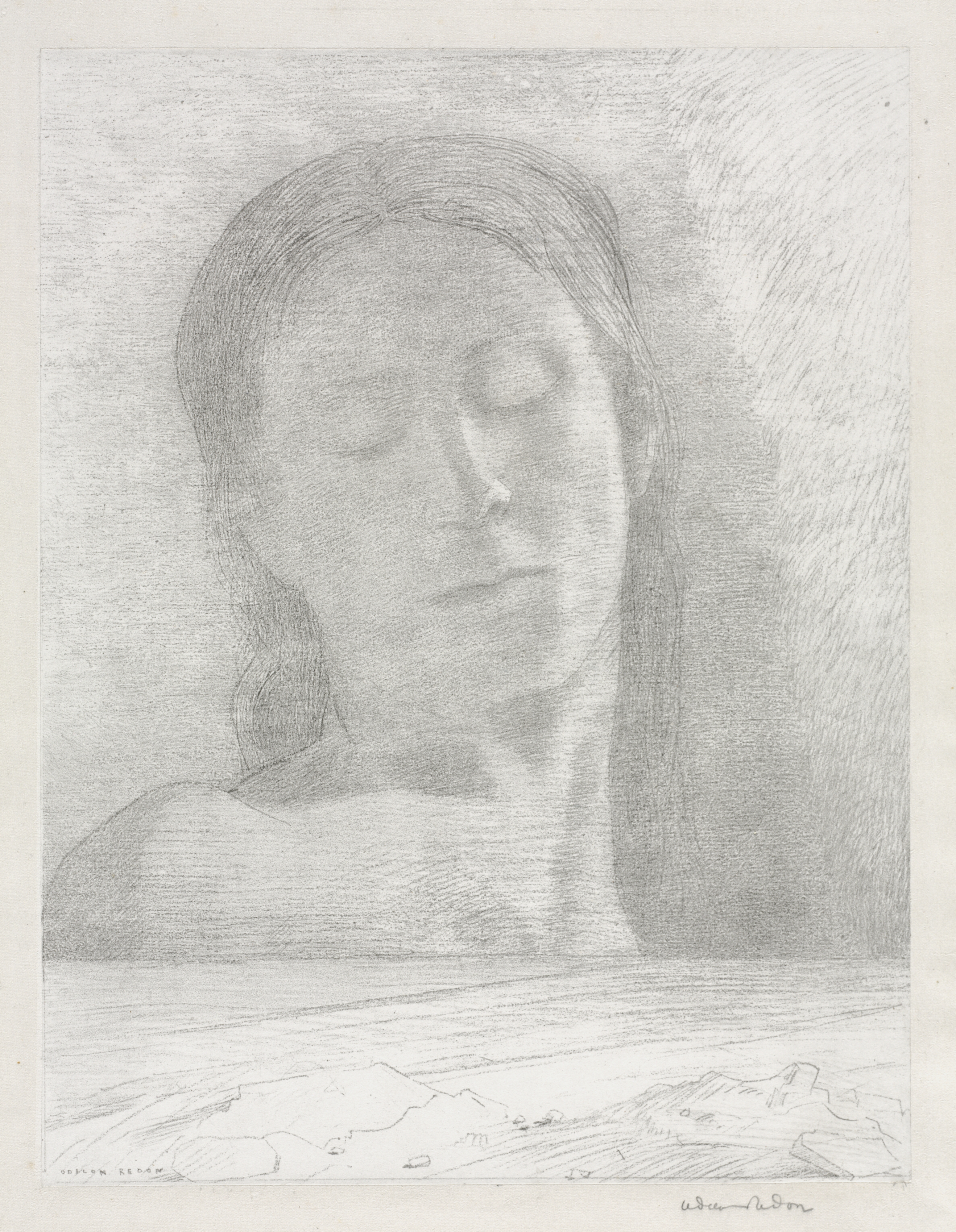
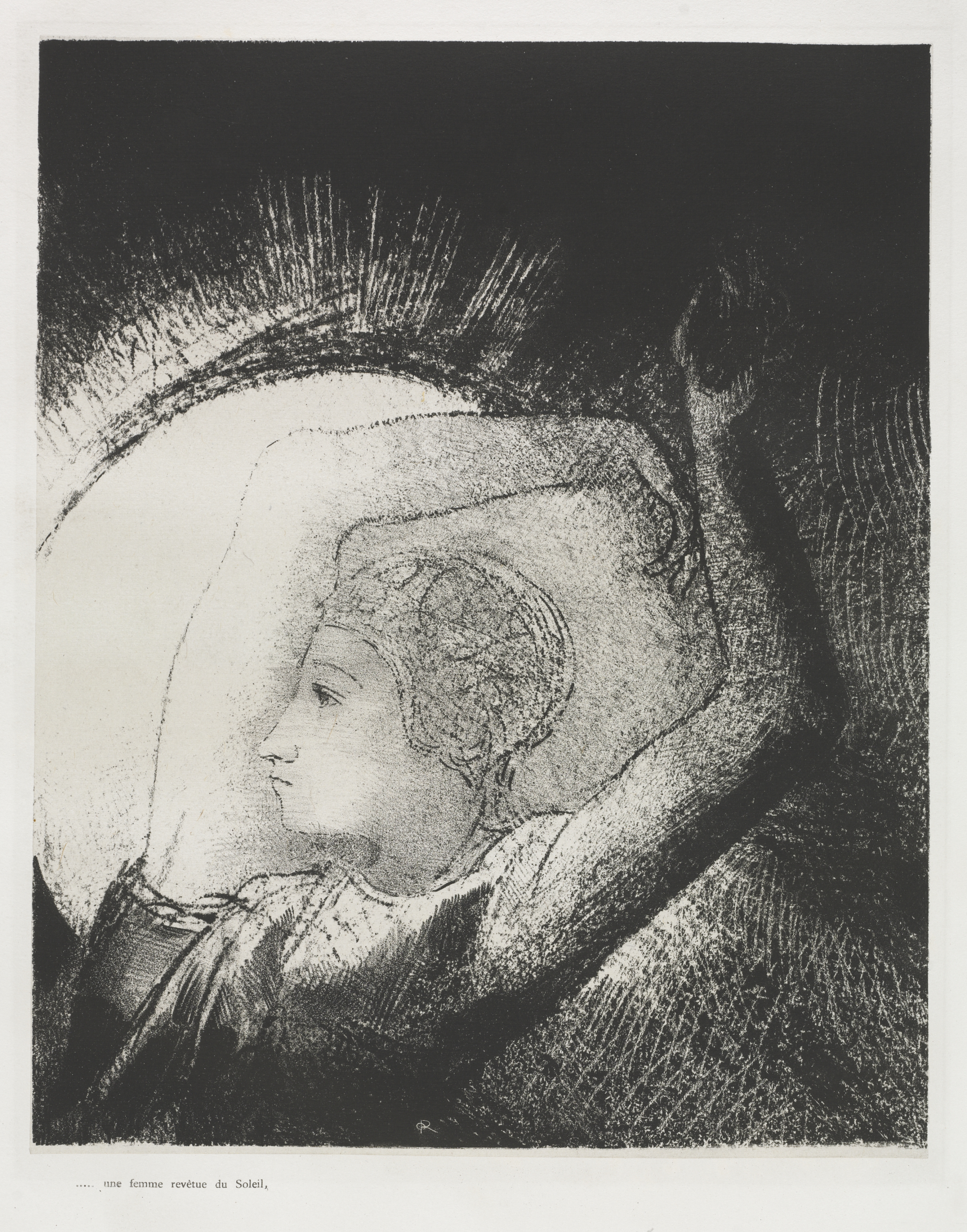
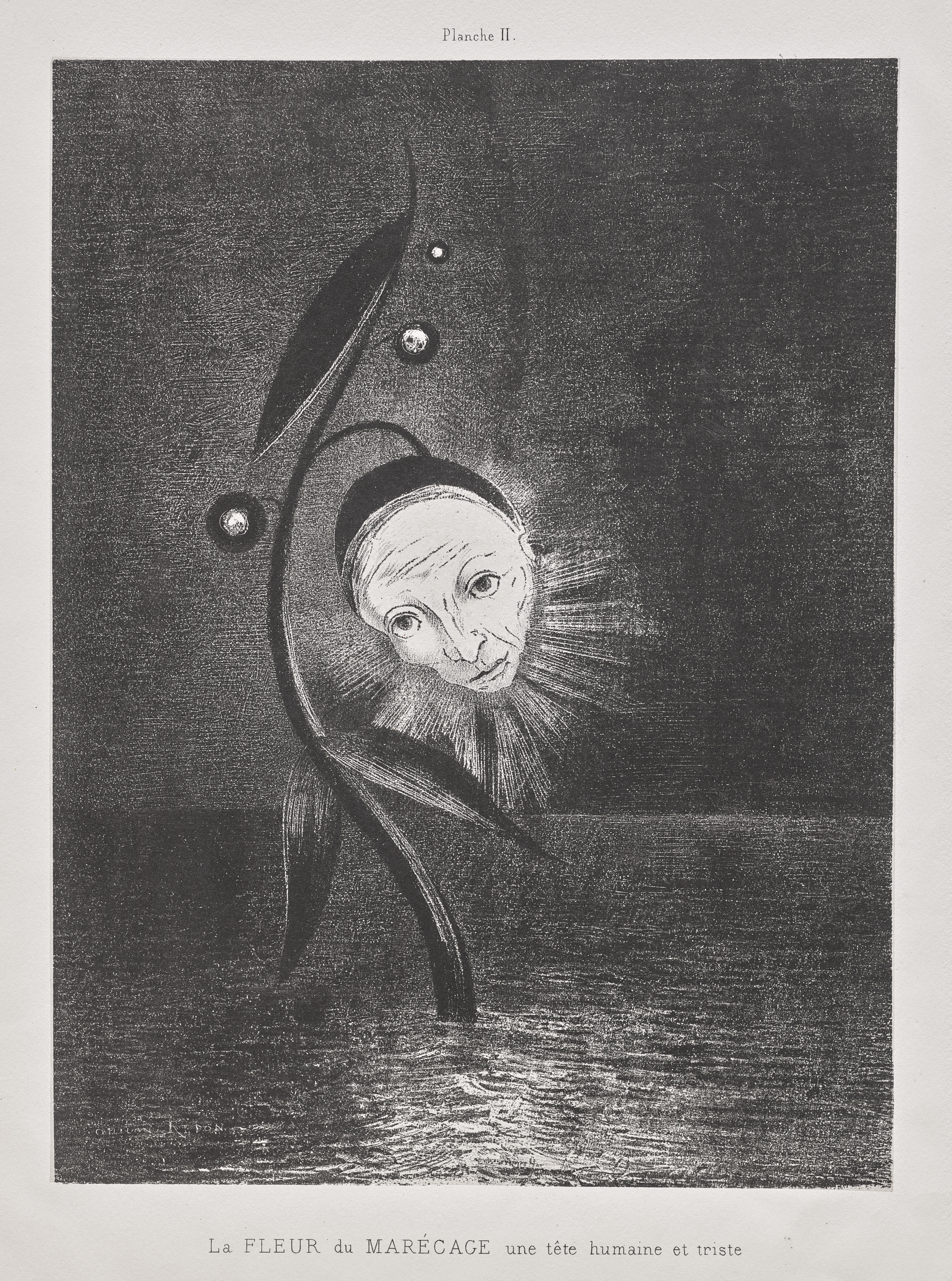
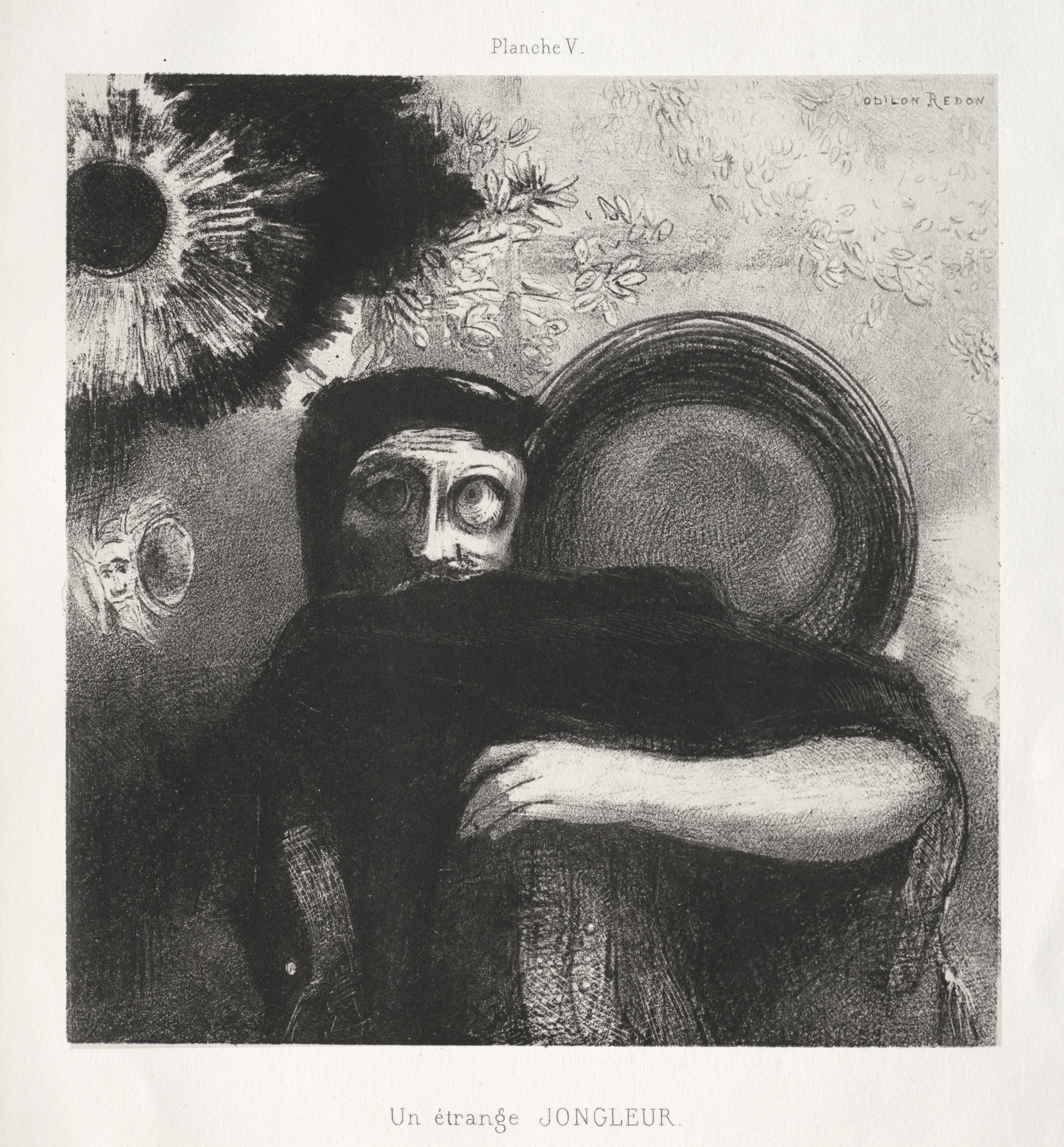
Cleveland’s records make the production distinctions visible. Closed Eyes is a trial proof before letters from an edition of 100. Light is state I/I from an edition of 50. The Marsh Flower and A Strange Juggler are state I/I impressions from the first edition of 50 of Homage to Goya. A Woman Clothed with the Sun is state I/I from an edition of 100 published by Ambroise Vollard.
Those labels belong to the photographed sheets. They should not be transferred to another impression merely because its image looks similar.
France and life plus 70 markets are clear
Article 1 of the EU term directive uses the author’s life plus 70 years. The UK and Türkiye apply the same ordinary economic duration for the uses addressed here. Redon died in 1916, placing his established works outside those terms before 1 January 1987.
France deserves an extra sentence because its code retains historical wartime-extension provisions. In 2007, France’s Cour de cassation held that the harmonised 70-year period normally covers those extensions, except where a longer protection period had already begun by 1 July 1995. Nothing in this selected 1879–1899 portfolio set supports such an exceptional longer term.
This economic-term conclusion does not erase France’s perpetual moral rights, attribution, integrity, trademark, privacy, ownership, access, or contract questions.
The US check has two branches
The first branch is publication. Copyright Office Circular 15A places works published before 1 January 1931 outside the maximum 95-year publication term in 2026. Here, portfolio titles, plate numbers, printers, publishers, states, and editions establish distribution more directly than a creation date or exhibition would.
The second branch is foreign-work restoration. Circular 38B explains that URAA restoration requires, among other things, a work that had not entered the source-country public domain through expiration of term. Redon’s ordinary French economic term ended before the 1 January 1996 restoration date. This selected published set therefore does not gain a U.S. restoration path from continued French term protection.
That reasoning is bounded. A different Redon object with an uncertain author, collaboration, first publication, private-proof status, or exceptional French term needs its own file. An unpublished drawing cannot borrow the history of a lithograph.
Portfolio plate state edition and impression are different
A portfolio is the issued group. A plate or lithographic stone produces a specific design. A state records intentional changes to the matrix. An edition describes a bounded printing project. An impression is one physical sheet pulled from the matrix. The digital image is a photograph or scan of that sheet.
The distinction prevents several common errors:
- calling every impression “first state” because one museum’s sheet is first state;
- presenting a single plate as the complete portfolio;
- treating a later printing from a cancelled or altered matrix as a lifetime impression;
- copying a catalogue scan while citing a museum’s CC0 file;
- transferring paper colour, inscriptions, margins, or condition from one sheet to another.
The exact accession is therefore not decorative metadata. It is the bridge between print history and file provenance.
Is Redon’s eye balloon public domain
Redon’s 1882 design The Eye, Like a Strange Balloon Moves Towards Infinity is public domain in the markets checked here, and the exact AIC impression file in this ledger is designated CC0. It is plate one from the issued portfolio To Edgar Poe, not a free-floating drawing titled only “The Eye.”
The local file comes from AIC’s named IIIF endpoint for accession 1920.1570. It was resized to 960 pixels and converted to WebP without crop. A file from a book, auction, image library, or another institution needs its own terms even when it reproduces the same design.
The feature work follows the same logic. The Misshapen Polyp Floated on the Shores is plate three of eight from Les Origines. Its composition, AIC impression, IIIF JPEG, and local feature master are four linked but distinct facts.
Exact file terms still control the download
AIC permits commercial and non-commercial reuse of images carrying its CC0 Public Domain Designation. Cleveland makes eligible collection images and metadata available under CC0. Both policies are provider-level frameworks; the item record and exact endpoint identify whether the framework applies here.
The U.S. Copyright Office’s visual-arts compendium also separates a faithful scan from a restoration or alteration containing sufficient new authorship. This guide uses the museums’ affirmative exact-file records and documents only resizing and WebP conversion without crop.
If an upstream file, colour treatment, border, or photographed impression changes, the record must be re-reviewed. “Same Redon” is not file provenance.
Twelve CC0 impressions form the published set
The visual strip below is generated from the fail-closed registry. It contains exactly 12 unique object URLs, accessions, source endpoints, and local files. AIC contributes six impressions; Cleveland contributes six.
The set deliberately favours prints with clear portfolio or edition publication. Redon’s celebrated flower pastels and paintings may also be old enough in some markets, but this print ledger does not invent their U.S. histories or inherit file terms from these sheets.
A commercial reuse checklist
Before reusing a Redon image:
- Identify the design, portfolio or publication, plate number, date, and named creator roles.
- Check the economic term in every target country and retain the French source-country analysis for U.S. foreign-work questions.
- Save pre-1931 publication or edition evidence; do not substitute creation or display.
- Record state, edition, printer, publisher, paper, and exact impression where supplied.
- Save the item page, exact source-file URL, and current rights statement.
- Record every crop, tonal edit, restoration, border removal, composite, and format conversion.
- Check moral rights, attribution, integrity, trademark, endorsement, and platform rules separately.
- Re-review any replacement file or changed attribution.
Where Redon fits inside GeMarkt
This guide is editorial evidence, not a product announcement. GeMarkt currently has no Redon collection, product, wallpaper room, or download, so no such route is linked.
For context, read the Post-Impressionisms chapter, the cross-artist public-domain guide, and Public domain is not a free-for-all.
Rights-checked image ledger
A documented starting set
These files were selected from the holding institutions rather than from search-result copies. Each card keeps the artwork record, exact source file, provider statement and GeMarkt transformation visible as separate facts.
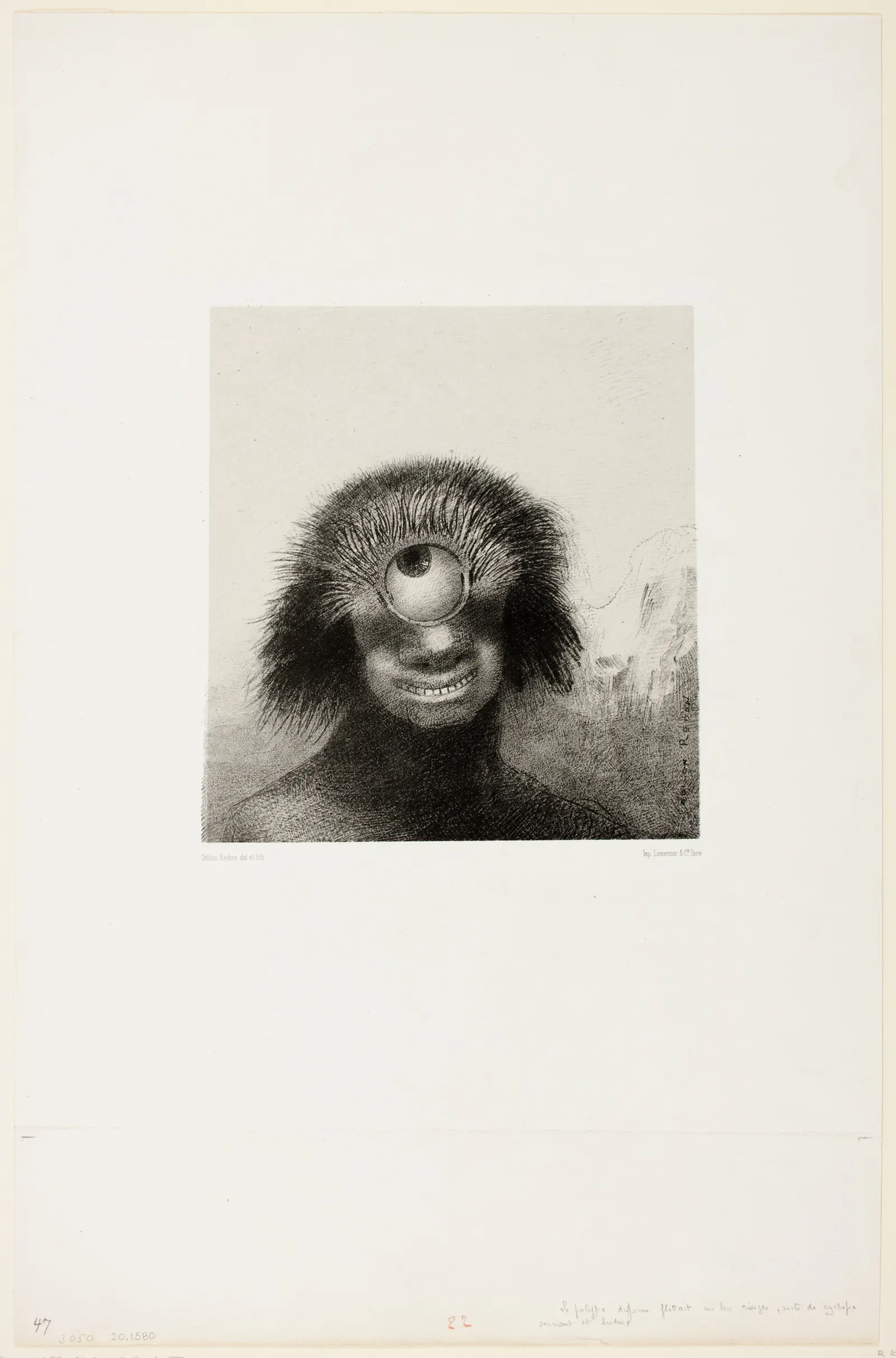
The Misshapen Polyp Floated on the Shores, a Sort of Smiling and Hideous Cyclops
1883 · Art Institute of Chicago · 1920.1580
CC0 Public Domain Designation
Resized to 1600 pixels wide and converted to WebP; no crop.

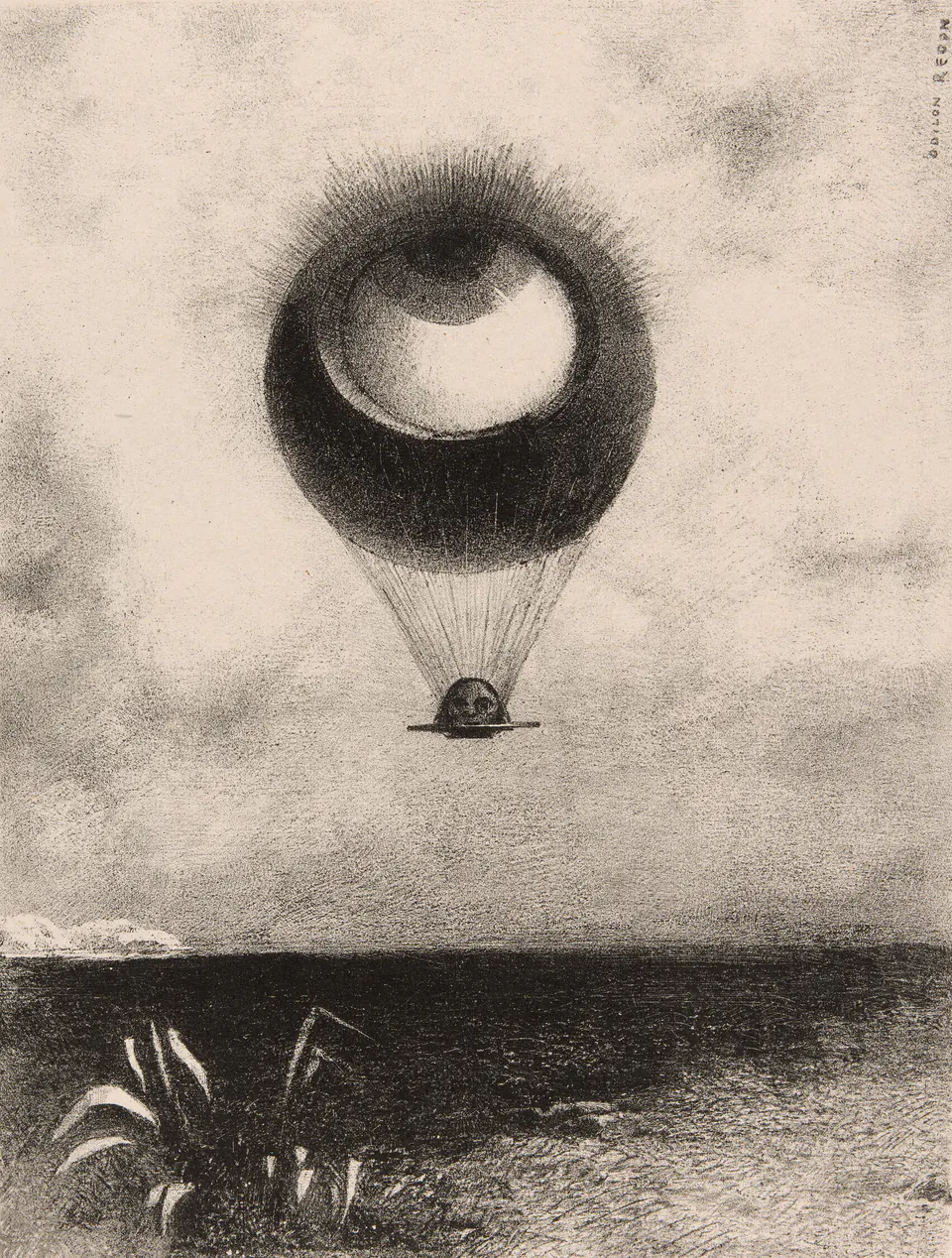
The Eye, Like a Strange Balloon Moves Towards Infinity
1882 · Art Institute of Chicago · 1920.1570
CC0 Public Domain Designation
Resized to 960 pixels wide and converted to WebP; no crop.

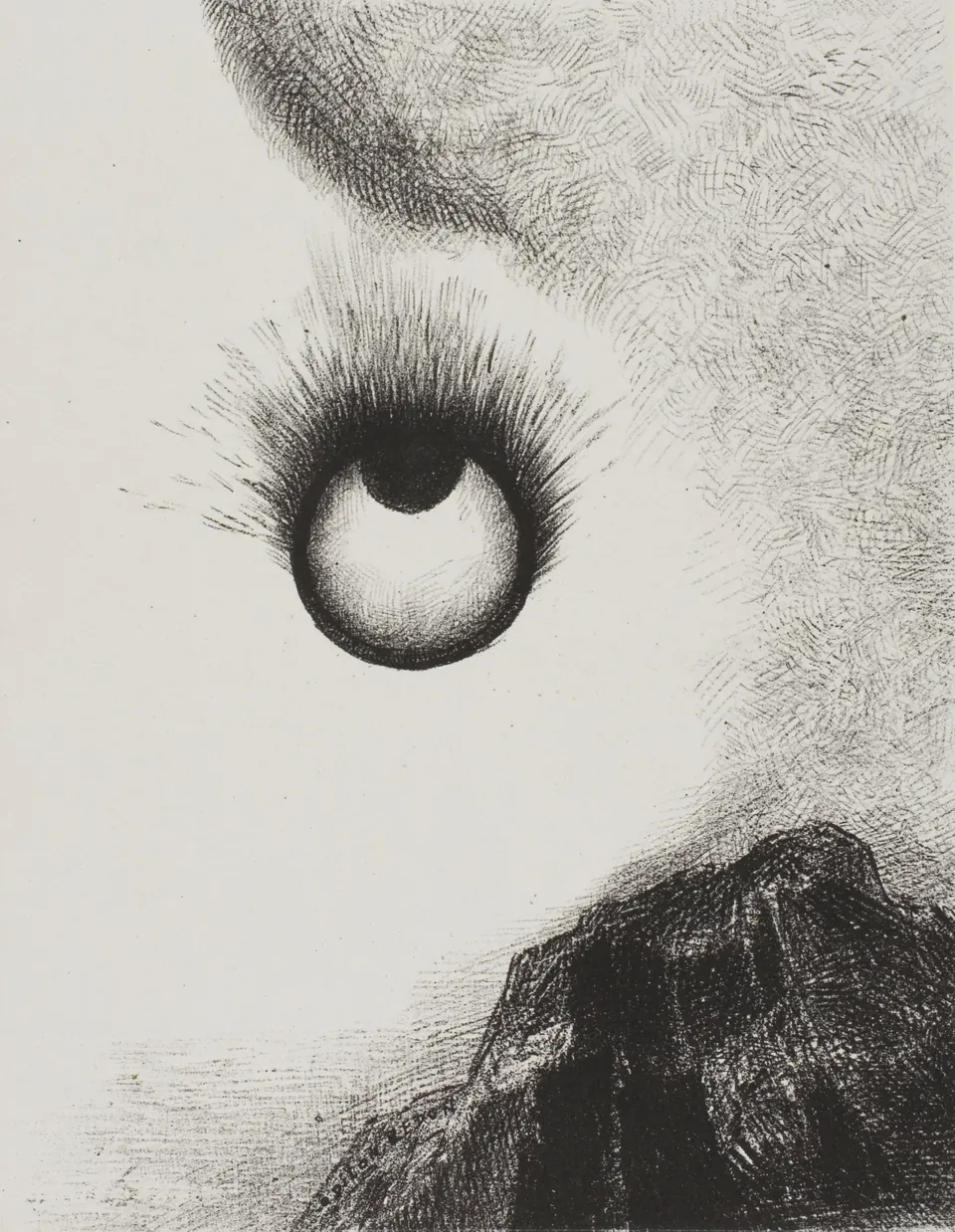
Everywhere Eyeballs Are Aflame
1888 · Art Institute of Chicago · 1920.1642
CC0 Public Domain Designation
Resized to 960 pixels wide and converted to WebP; no crop.

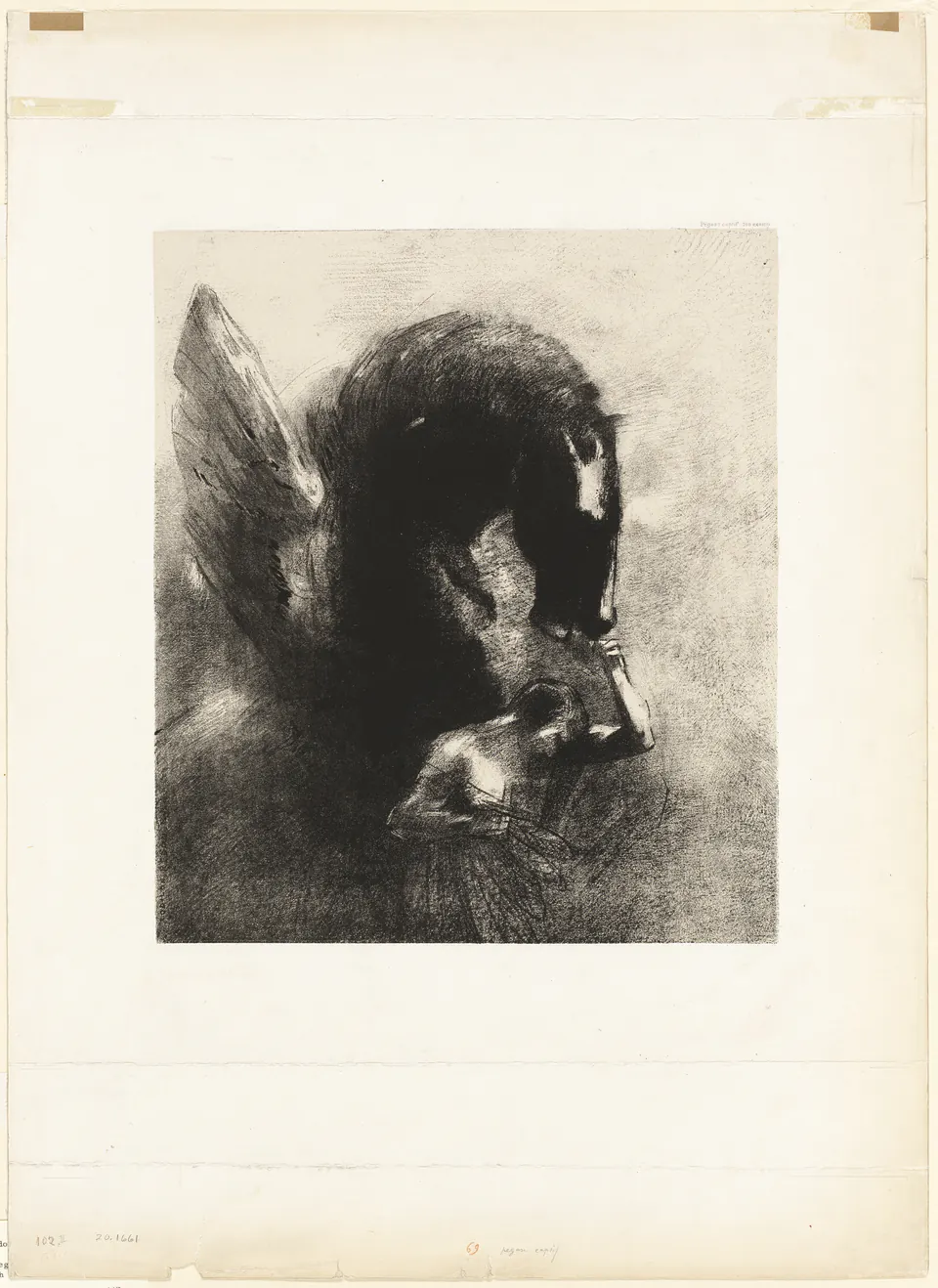
Captive Pegasus
1889 · Art Institute of Chicago · 1920.1661
CC0 Public Domain Designation
Resized to 960 pixels wide and converted to WebP; no crop.

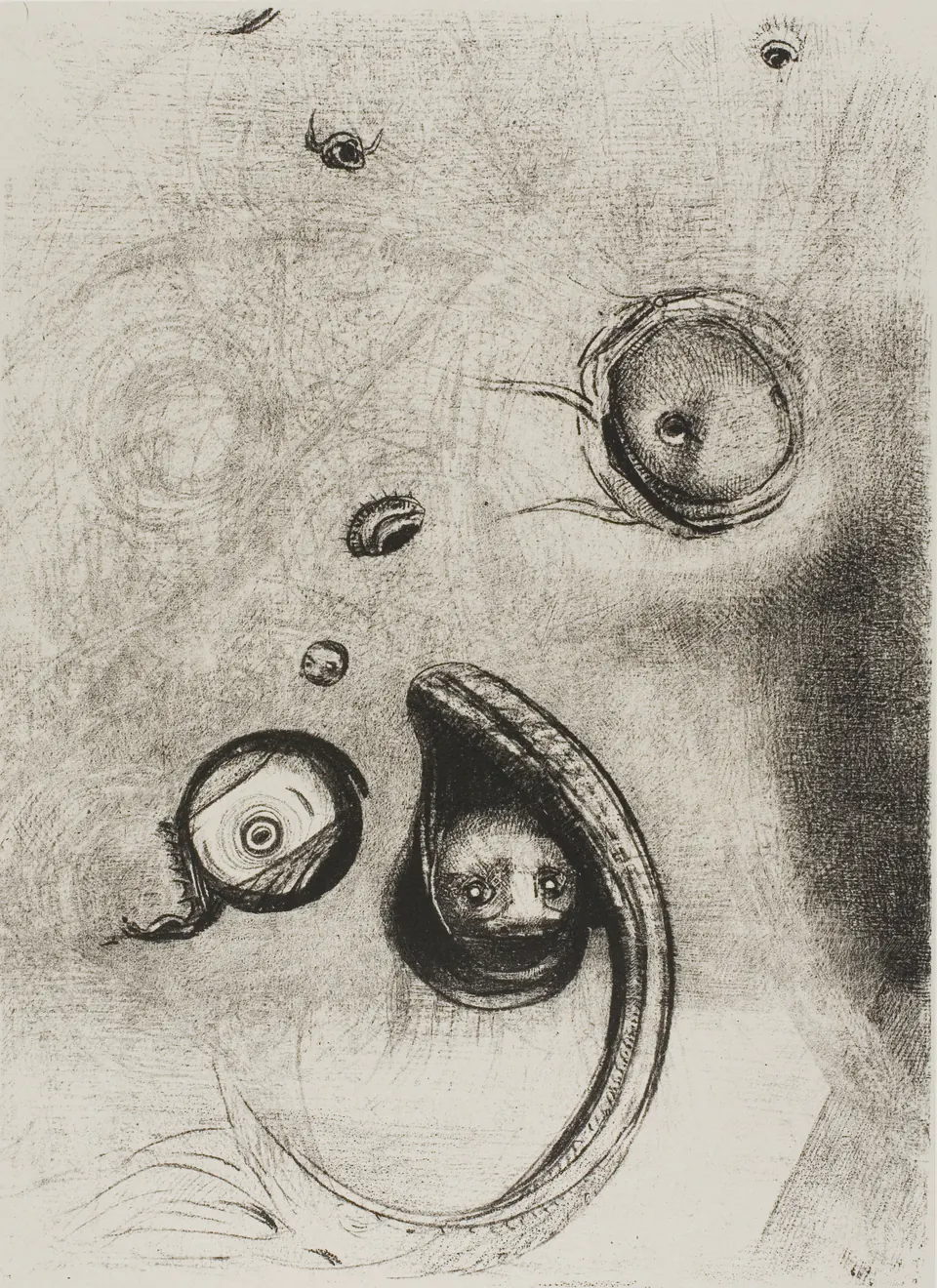
And That Eyes without Heads Were Floating Like Mollusks
1896 · Art Institute of Chicago · 1920.1769
CC0 Public Domain Designation
Resized to 960 pixels wide and converted to WebP; no crop.

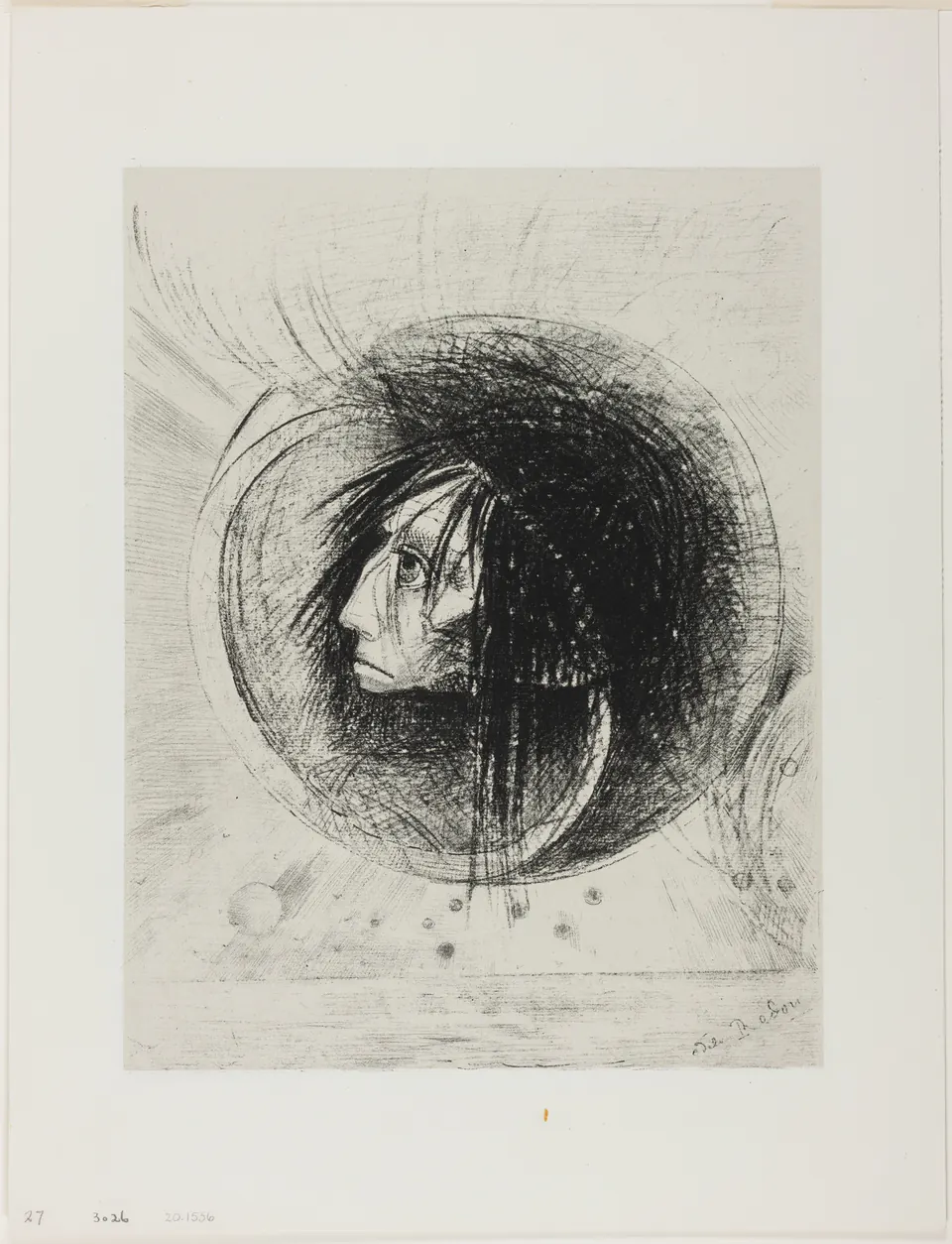
Blossoming
1879 · Art Institute of Chicago · 1920.1556
CC0 Public Domain Designation
Resized to 960 pixels wide and converted to WebP; no crop.

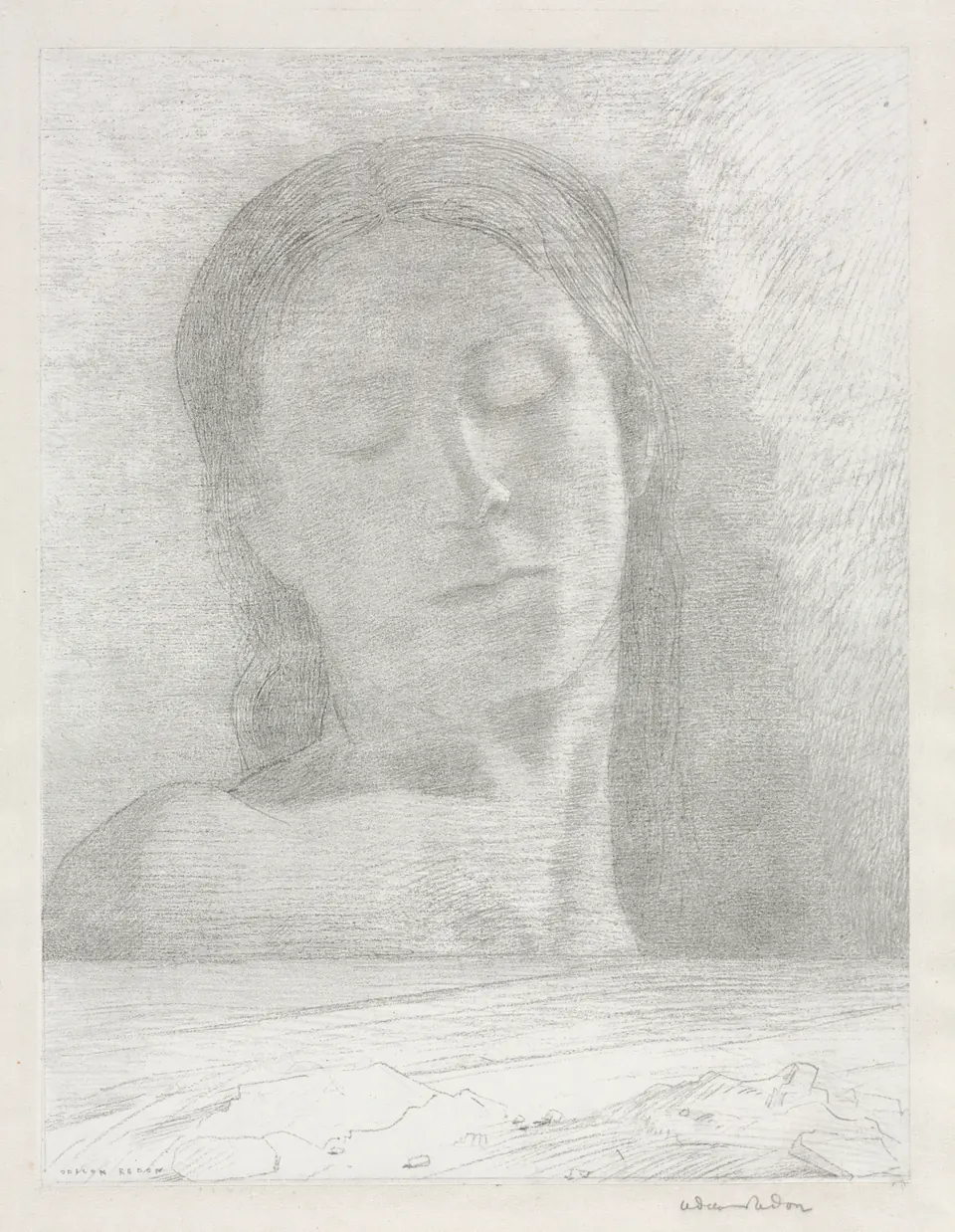
Closed Eyes
1890; trial proof before letters, edition of 100 · Cleveland Museum of Art · 1927.306
CC0 Public Domain Designation
Resized to 960 pixels wide and converted to WebP; no crop.
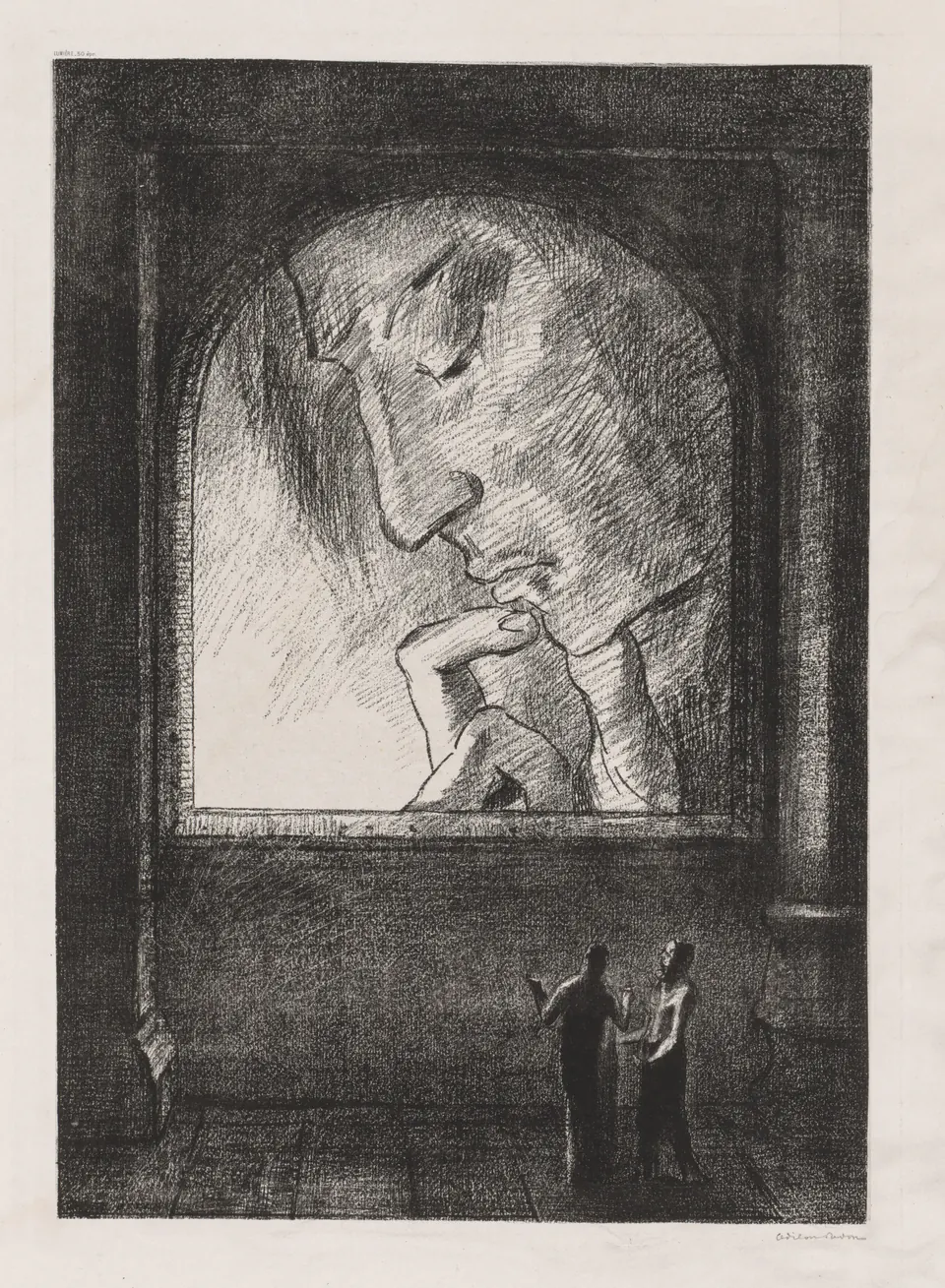
Light
1893; state I/I, edition of 50 · Cleveland Museum of Art · 1926.296
CC0 Public Domain Designation
Resized to 960 pixels wide and converted to WebP; no crop.
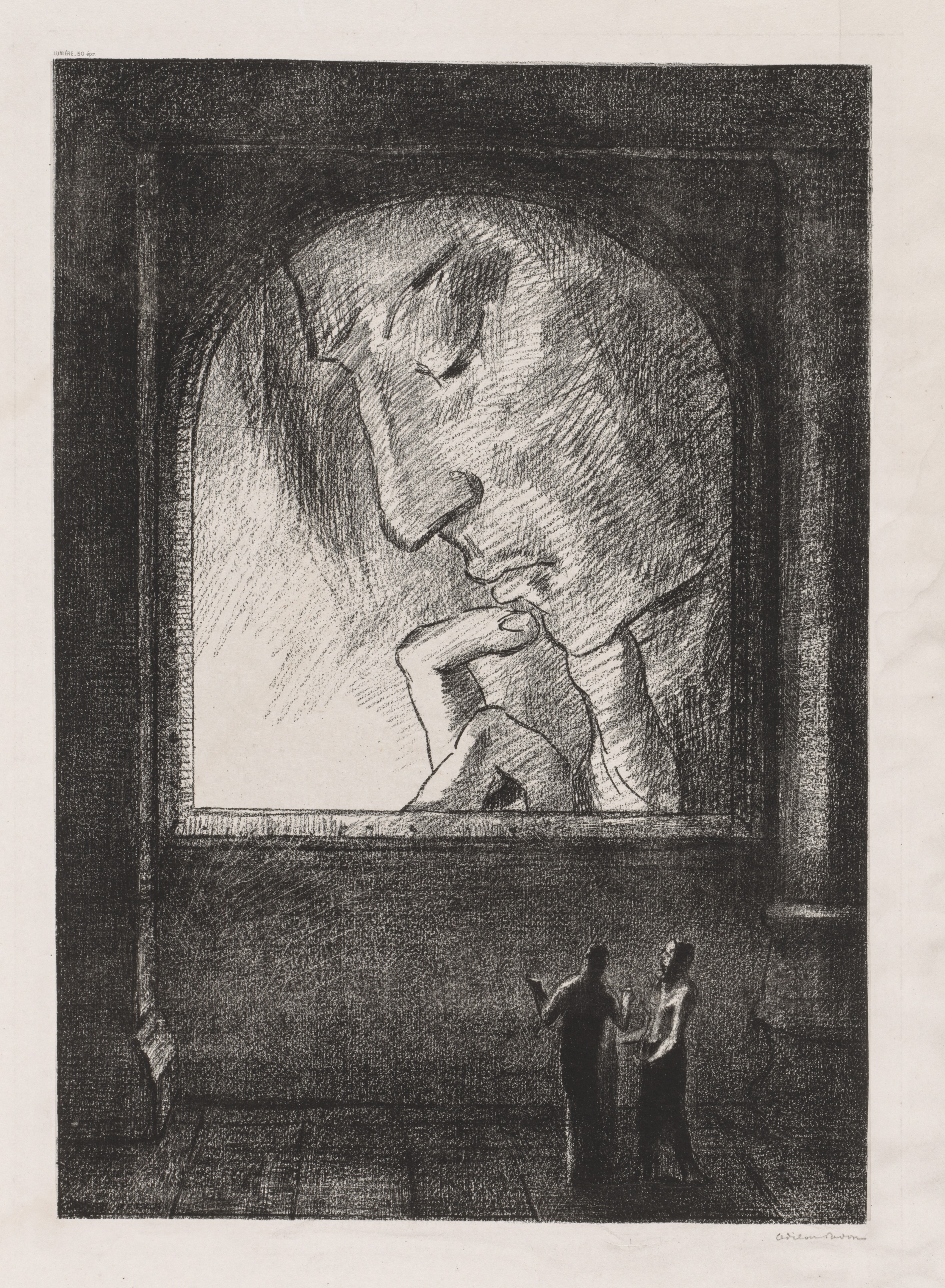
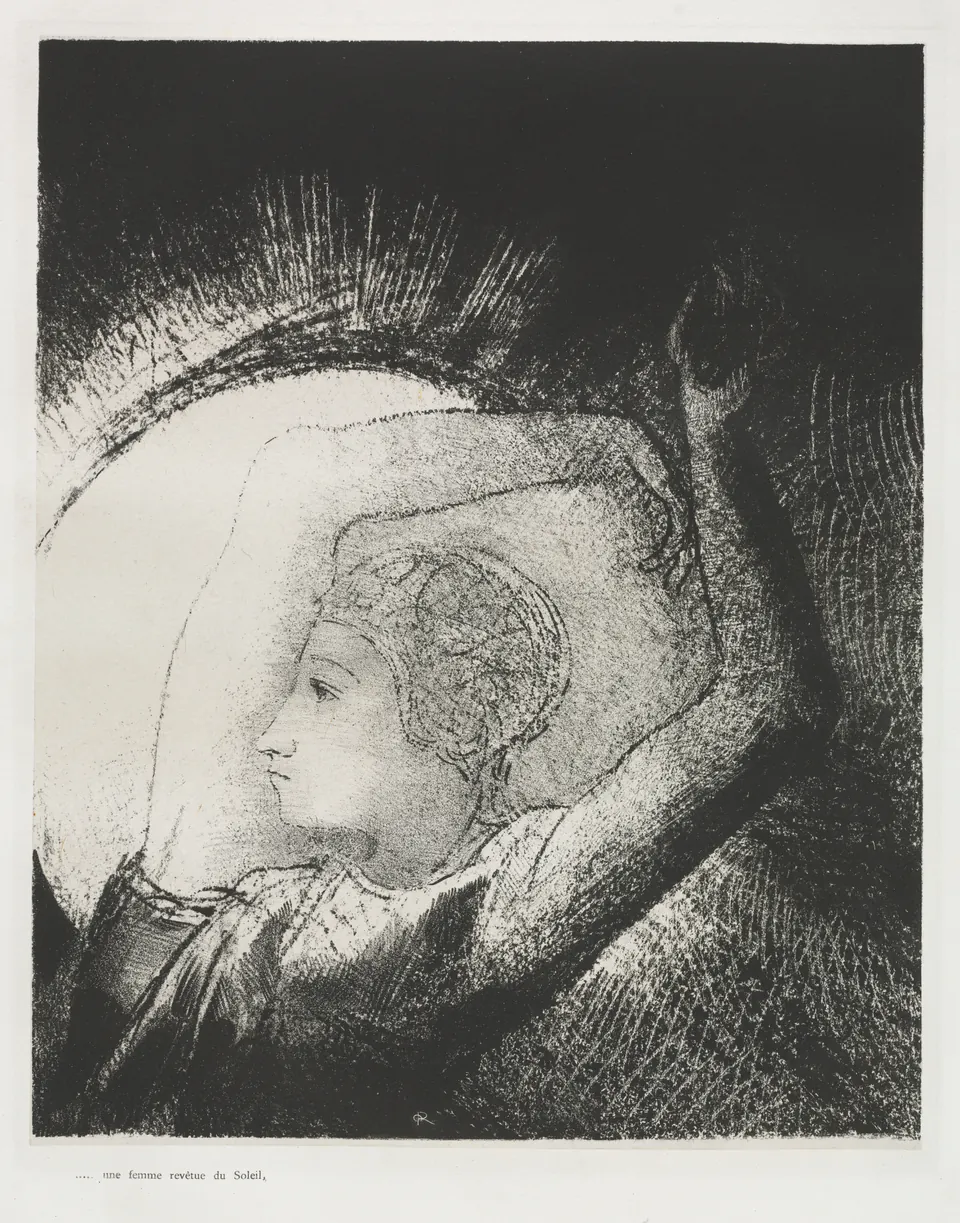
A Woman Clothed with the Sun
1899; state I/I, edition of 100 · Cleveland Museum of Art · 1926.140.6
CC0 Public Domain Designation
Resized to 960 pixels wide and converted to WebP; no crop.
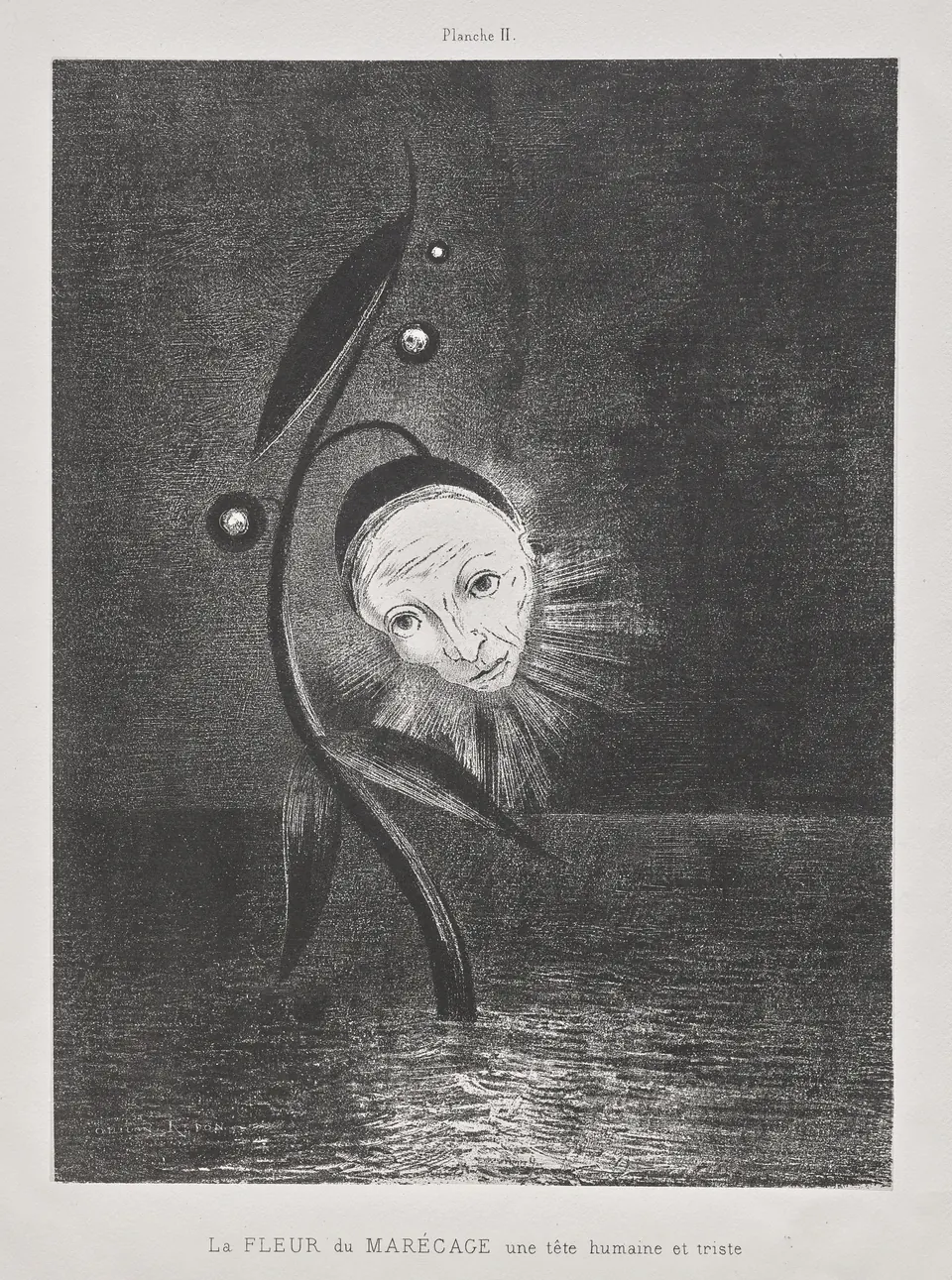
The Marsh Flower, a Sad Human Head
1885; state I/I, first edition of 50 · Cleveland Museum of Art · 1927.344.2
CC0 Public Domain Designation
Resized to 960 pixels wide and converted to WebP; no crop.
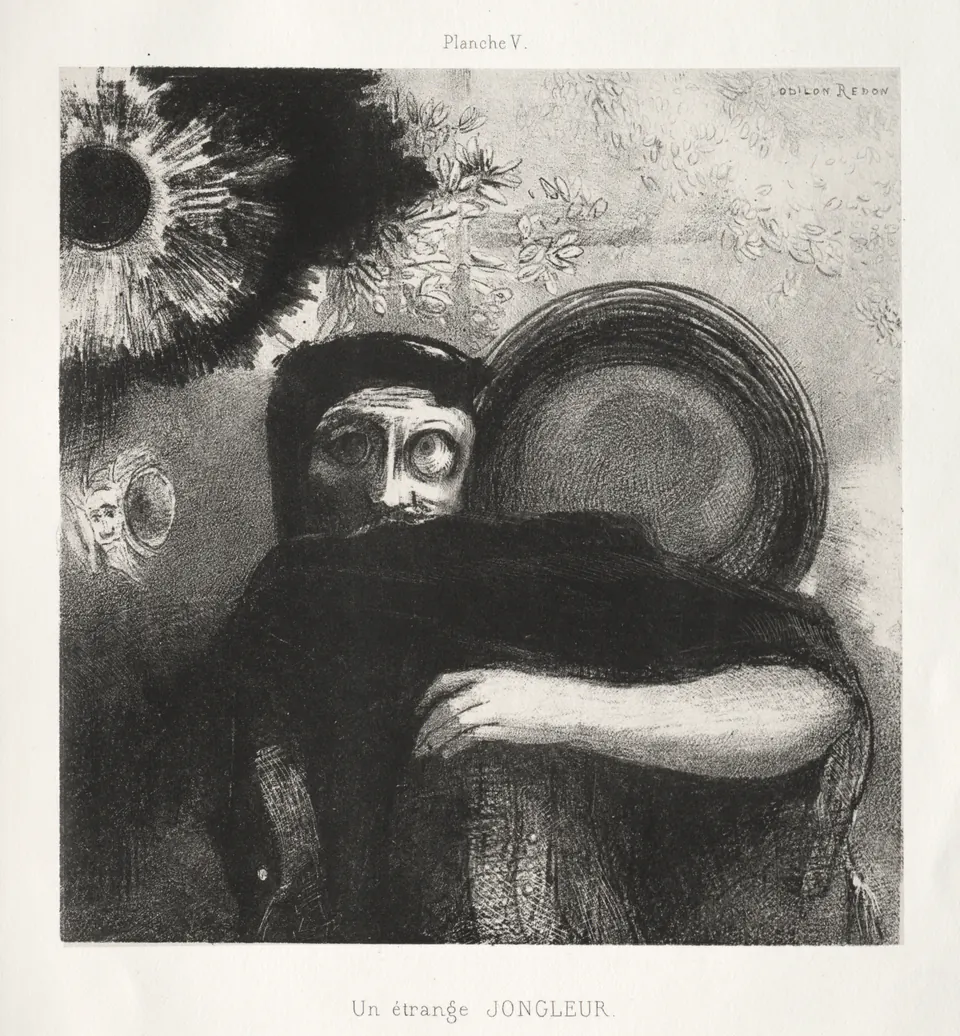
A Strange Juggler
1885; state I/I, first edition of 50 · Cleveland Museum of Art · 1927.344.5
CC0 Public Domain Designation
Resized to 960 pixels wide and converted to WebP; no crop.
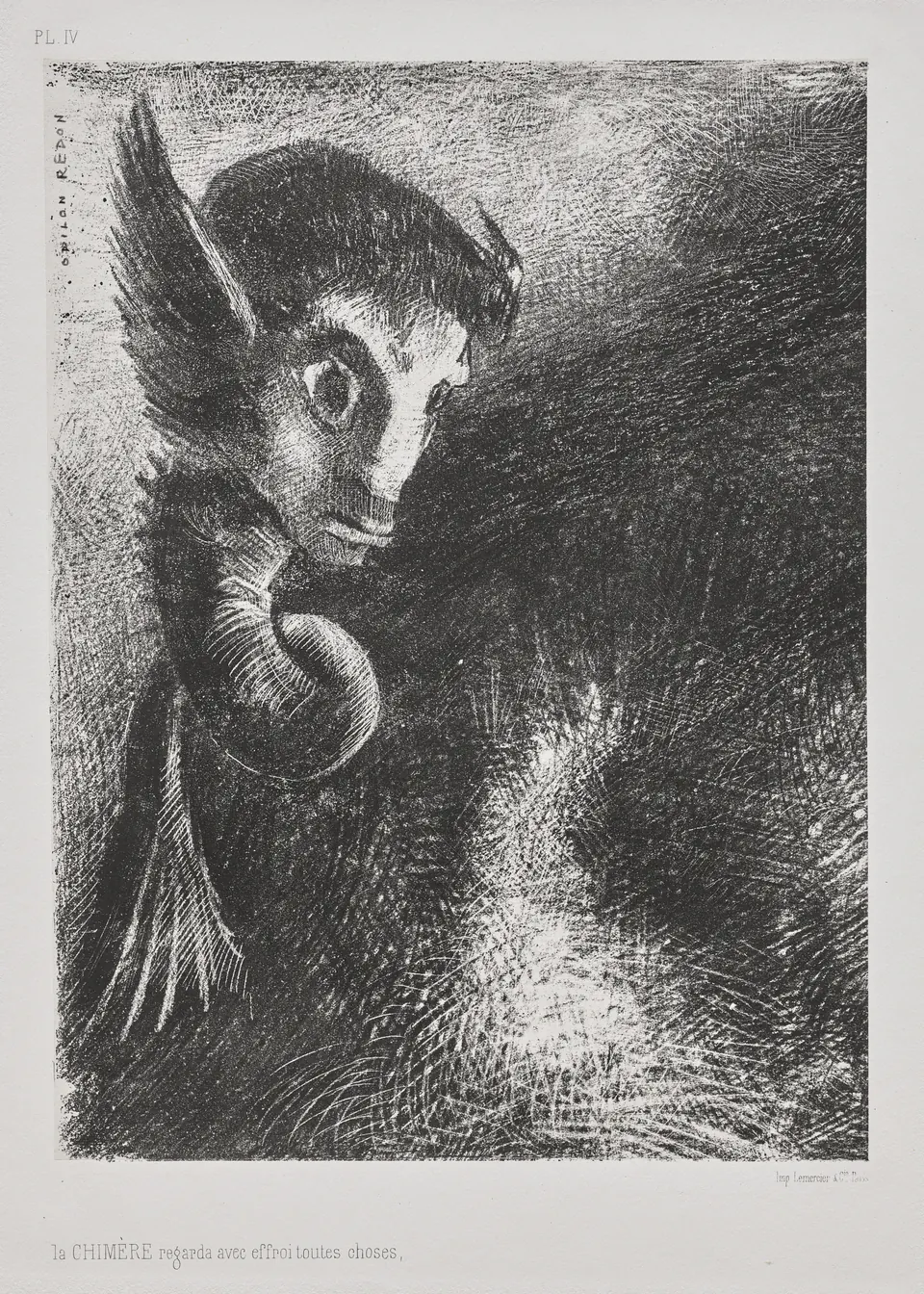
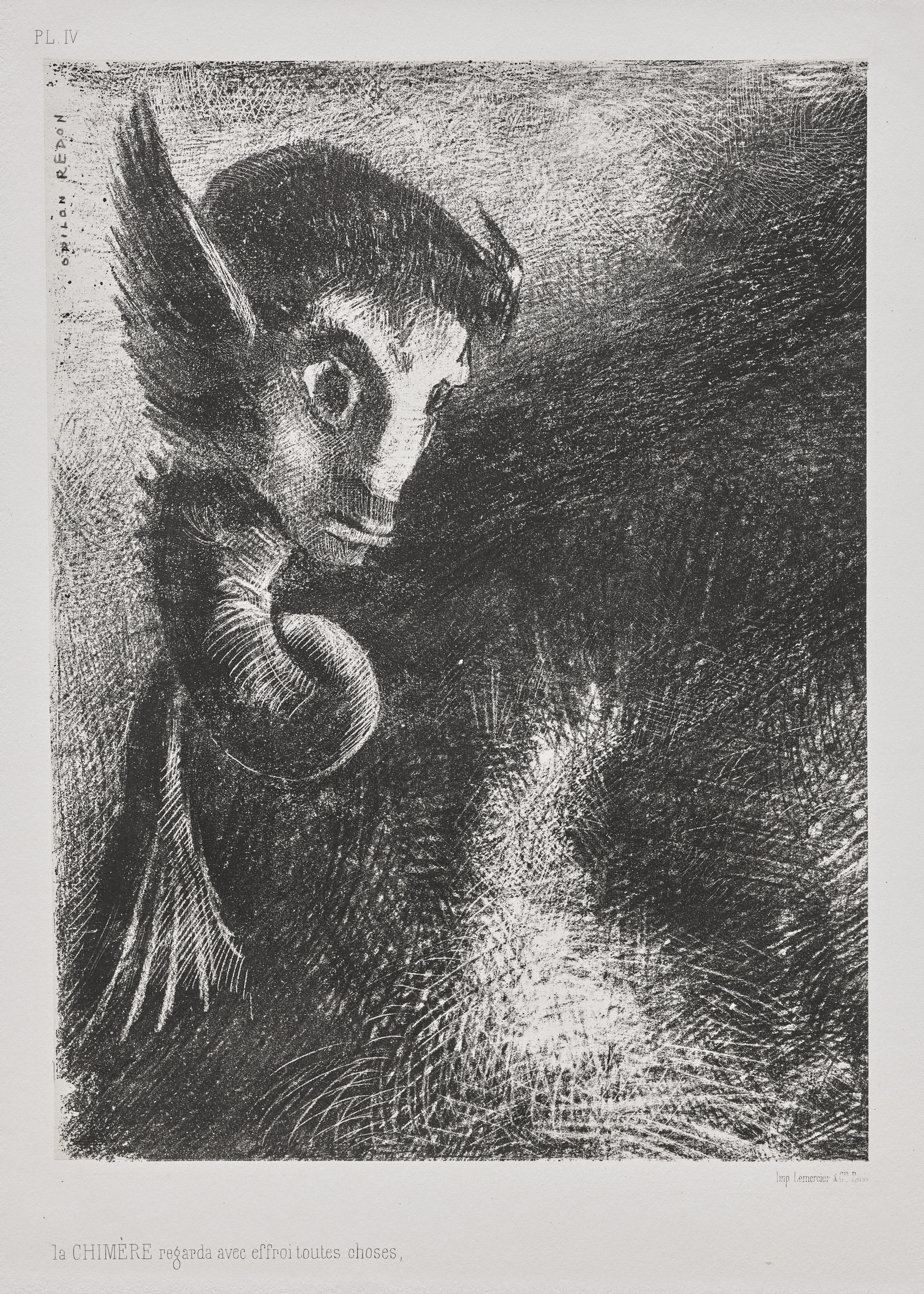
The Chimera Gazed at All Things with Fear
1886; state I/I, edition of 50 · Cleveland Museum of Art · 1926.277
CC0 Public Domain Designation
Resized to 960 pixels wide and converted to WebP; no crop.
Sources and review method
We checked the artist chronology against museum records, treated each named jurisdiction separately, and recorded the provider policy for the image set. These sources support the legal framework and artist dates used above; the source file for any individual image still needs its own record.
- The Misshapen Polyp Floated on the Shores — Art Institute of Chicago. Feature design, portfolio and plate identity, impression accession, exact IIIF file, and CC0 status.
- Homage to Goya — Cleveland Museum of Art. Portfolio publication, printer, first edition of 50, complete-set context, and CC0 file status.
- Closed Eyes — Cleveland Museum of Art. Trial-proof, edition, printer, photographed-impression identity, and CC0 file status.
- Pourvoi n°04-12.138 — Cour de cassation. French authority that the harmonised 70-year term normally absorbs historic wartime extensions.
- Open Access Images — Art Institute of Chicago. Files labelled CC0 Public Domain Designation may be reused for commercial and non-commercial purposes.
- Open Access — Cleveland Museum of Art. Cleveland releases eligible collection images and metadata under CC0 for commercial and non-commercial reuse.
- Directive 2006/116/EC, Article 1 — EUR-Lex. The EU term for an artistic work is the author’s life plus 70 years.
- How long copyright lasts — UK Government. UK guidance gives 70 years after the author’s death for artistic works.
- Law No. 5846 on Intellectual and Artistic Works, Article 27 — WIPO Lex. The Turkish economic-rights term is the author’s life plus 70 years.
- Circular 15A: Duration of Copyright — U.S. Copyright Office. The 2026 term table places works published before 1931 outside the maximum 95-year publication term.
- Certain Unpublished, Unregistered Works Enter Public Domain — U.S. Copyright Office. Older unpublished works have a separate U.S. term analysis; discovery and first-publication history can matter.
- 17 U.S.C. Chapter 3, including §303 — U.S. Copyright Office. Section 303 states the transition rules and minimum 2002 or 2047 expiry floors for works that were unpublished on 1 January 1978.
- 17 U.S.C. §104A and Circular 38B — U.S. Copyright Office. Foreign-work restoration requires that the work was not already public domain through term expiry in its source country.
- Visual Artists: Publication — U.S. Copyright Office. Distribution can publish a visual artwork, while public display by itself does not establish publication.
- Compendium of U.S. Copyright Office Practices, Chapter 900, §909.3(A) — U.S. Copyright Office. A purely faithful scan or “slavish copy” does not add registrable authorship, while substantial restoration or alteration can require a separate analysis.
- Copyright notice: digital images, photographs and the internet — UK Intellectual Property Office. A digital image can require a separate rights and website-terms check even when its subject is old.
Editorial record
About this article
- Author
- Publisher
- GeMarkt
- Published
- Reviewed
- Internal source & rights check. Conducted by GeMarkt Research Review. This is an internal editorial check—not independent peer review.
- Source standard
- Rights guide source standardSeparates the underlying work from the source file, records the review date, and links the evidence used for the conclusion.
Found a claim that needs checking? Report a factual error.