GeMarkt Journal · Practical guide
Is Winslow Homer Public Domain? A Work-and-File Guide
Homer's 12 named works are public domain in the markets checked here, but U.S. publication evidence and the exact museum file remain separate checks.
Rights check · reviewed
The short answer
Yes—for the 12 named paintings, watercolors, etchings, and wood engravings documented here in the European Union, United Kingdom, Türkiye, and United States. The answer does not automatically clear every Homer object, print impression, or digital reproduction.
| What is being checked | Result | Why |
|---|---|---|
| European Union & United Kingdom | Public domain | Homer died in 1910, beyond the ordinary life-plus-70 term for artistic works. |
| Türkiye | Public domain | Türkiye applies a life-plus-70 economic-rights term. Homer’s established works are beyond it. |
| United States | Clear for the 12 documented works and impressions below | The selected works have pre-1931 publication, sale, edition, transfer, or accession evidence. A formerly unpublished or newly attributed work still needs its own history checked. |
| Museum image or download | Check the exact file | The artwork, a physical print impression, and a modern photograph or scan are distinct layers. Keep the exact object record, source endpoint, and CC0 statement together. |
This guide separates the underlying work, the U.S. publication or distribution evidence, the physical object or impression, and the exact institutional file. It makes no blanket worldwide claim.
This is a documented research summary, not legal advice. Copyright and moral-rights rules can vary by country and by the history of a particular work.

What we’ll look at
When can a Winslow Homer work be reused, and what changes between a painting, watercolor, wood engraving, and exact digital file?
The practical answer is yes for the 12 Winslow Homer works and institutional files documented here—not automatically for every Homer object or every image found online. Homer died in 1910, so his established works are beyond the ordinary economic-rights term in the European Union, United Kingdom, and Türkiye. The selected U.S. set also has evidence of publication or distribution before 1931.
That conclusion contains four decisions:
- Is the underlying painting, watercolor, drawing, etching, or wood-engraved design outside copyright in the market being checked?
- What proves publication or distribution for the United States, where creation date alone is not enough?
- Which physical painting, sheet, state, or impression does the institutional record identify?
- What does the provider say about the exact digital file used here?
This is a research summary, not legal advice. It names its territories, objects, and files instead of making a worldwide promise.
The short answer is yes for the named set
The published ledger contains six Art Institute of Chicago records and six Cleveland Museum of Art records. Both providers designate the exact selected files CC0. The works range from the oil painting The Herring Net and the watercolor After the Hurricane, Bahamas to periodical wood engravings and a named etching impression.
Their U.S. histories are not inferred from Homer’s death. AIC records The Herring Net in periodicals by 1885 and in the New York market before 1915. After the Hurricane, Bahamas passed through a New York sale in 1915 and appears in a 1916 museum bulletin. Four AIC wood engravings state their publication dates in the object titles: 1862 or 1873.
Cleveland supplies different evidence. Early Morning After a Storm at Sea moved through Knoedler and private collections from 1903 onward and was sold to the museum in 1924. The Buccaneers appears in an 1899 auction before its 1923 accession. Perils of the Sea was an editioned etching accessioned in 1924. The remaining Cleveland sheets are impressions of magazine wood engravings whose nineteenth-century publication is independently recorded by AIC.
The result does not automatically cover a private sketch that remained unpublished, a later restrike, a modern colour reconstruction, or a file copied away from its source page. The safe unit is the named work plus the named file.
Life plus 70 markets are clear
Article 1 of the EU term directive gives an artistic work the author’s life plus 70 years. UK government guidance applies the same ordinary duration to artistic works, and Article 27 of Türkiye’s Law No. 5846 uses life plus 70 for economic rights.
Homer died in 1910. His established sole-authored works are beyond those ordinary terms.
| Market checked | Ordinary rule applied | Result for Homer’s established works |
|---|---|---|
| European Union | author’s life plus 70 years | public domain |
| United Kingdom | 70 years after the creator’s death | public domain |
| Türkiye | life plus 70 years for economic rights | public domain |
Moral rights, trademarks, endorsement, privacy, cultural-property rules, access restrictions, and new creative restoration remain separate. “Public domain” is a copyright conclusion, not permission to imply that a museum or sitter endorses a product.
The US answer needs a history, not a birth date
Copyright Office Circular 15A organises many older U.S. terms around publication. In 2026, works published before 1 January 1931 are outside the maximum 95-year publication term. Creation in 1885 does not, by itself, establish publication in 1885.
The Copyright Office’s visual-artist guidance explains why: distributing the original or copies can publish a visual artwork, while public display alone does not. This ledger therefore prefers dated periodical issues, documented sales, print editions, and transfers of originals. It does not treat a gallery appearance alone as the deciding event.
The fail-closed rule comes from 17 U.S.C. §303. A pre-1978 work that remained unpublished on 1 January 1978 follows a separate transition regime, and certain works first published by the end of 2002 can remain protected through 2047. A newly discovered Homer study needs a fresh history even though the artist died more than a century ago.
Paintings watercolors and wood engravings are not the same record
Homer’s media generate different evidence trails.
A painting or watercolor is normally a unique physical object. Its provenance can record transfer of the original, but an exhibition date is not automatically publication. A modern photograph of that object is another file with its own maker and terms.
A wood engraving is a printed object made for distribution. The record should identify the periodical issue, the design attribution, the wood engraver or publisher where known, and the exact sheet photographed. Multiple institutions can hold impressions of the same published design, but their sheets and image files are not interchangeable.
An etching adds state, edition, paper, and impression questions. Perils of the Sea in Cleveland is the photographed impression used here; its accession and file should not be silently transferred to another impression or later printing.
Is The Herring Net public domain
The underlying 1885 painting is public domain in the checked markets, and this guide’s exact AIC file is designated CC0. AIC’s record supplies more than a date: the painting appeared in The Nation in 1885, was discussed and illustrated before 1931, and moved through New York dealers and collectors before entering the museum.
The feature image is derived from AIC’s named IIIF JPEG. GeMarkt resized it to 1600 pixels and converted it to WebP without cropping. That conclusion does not automatically attach to a book scan, auction photograph, poster file, conservation image, or another museum’s download.
The same discipline matters for After the Hurricane, Bahamas. It is a watercolor, not the later oil painting with a related title or subject. Paper edges, graphite, opaque-watercolor touches, and the photographed sheet belong to its object record.
The exact digital file is a second decision
The U.S. Copyright Office’s visual-arts compendium explains that a purely faithful scan may lack new registrable authorship, while substantial restoration or alteration can contain new authorship. The UK IPO likewise warns that digital images must be checked independently from their subjects.
Provider terms still matter. AIC says files carrying its CC0 Public Domain Designation can be used for commercial and non-commercial purposes. Cleveland’s Open Access programme releases eligible collection images and metadata under CC0. This guide records only exact endpoints that carry those affirmative item-level signals.
Each local derivative was resized without enlargement, converted to WebP, and left uncropped. Replacing one upstream JPEG requires a new file record; rights labels do not travel by artist name.
Twelve CC0 files form the published set
The visual strip below is generated from the same fail-closed registry used by tests. It contains exactly 12 records, each with a unique object URL, accession number, exact source-file URL, local path, dimensions, transformation note, and provider statement.
The set is intentionally bounded. It is enough to teach the differences among unique objects, periodical designs, impressions, and files without pretending to catalogue Homer’s entire output.
A commercial reuse checklist
Before using a Homer image in a product, campaign, publication, or download:
- Name the exact work, date, medium, institution, and accession.
- Re-run the copyright-term analysis for every target country.
- For the United States, save evidence of publication or distribution; do not substitute creation or exhibition.
- For a print, identify the state, edition, and impression where the record provides them.
- Save the exact source-file URL and the provider’s current rights statement.
- Record crop, colour, restoration, compositing, and format changes.
- Check trademark, endorsement, privacy, moral-rights, cultural-property, and platform-contract issues separately.
- Re-review the record if the object attribution or upstream file changes.
Where Homer fits inside GeMarkt
This guide is editorial evidence, not a product announcement. GeMarkt currently has no Homer collection, product, download, or wallpaper room, so none is linked here. If a collection is later prepared, its production files and rights ledger must be reviewed before its route is opened.
For broader context, read the Realism chapter, the cross-artist guide to public-domain status, and the practical distinction between public domain and unrestricted reuse in Public domain is not a free-for-all.
Rights-checked image ledger
A documented starting set
These files were selected from the holding institutions rather than from search-result copies. Each card keeps the artwork record, exact source file, provider statement and GeMarkt transformation visible as separate facts.
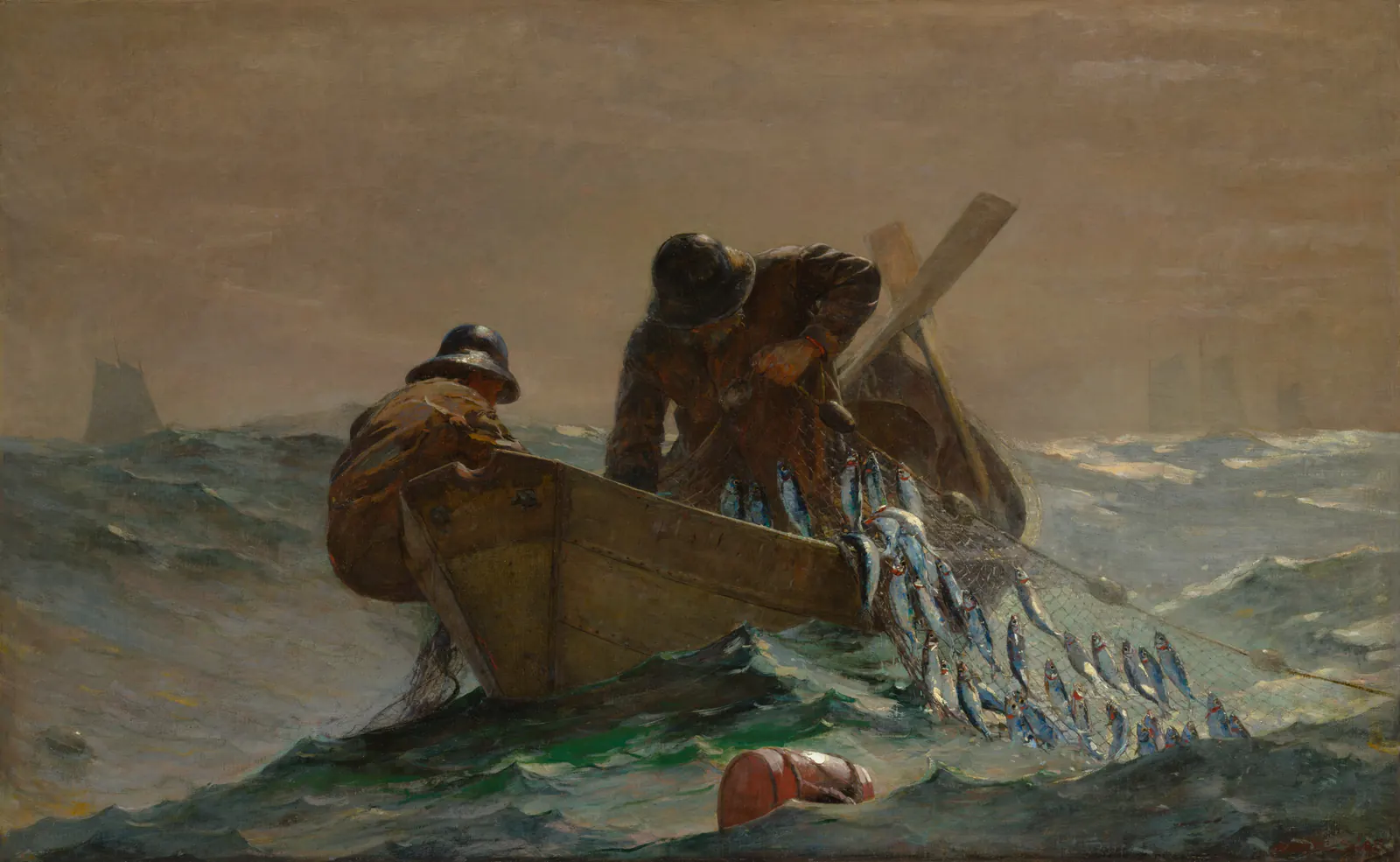
The Herring Net
1885 · Art Institute of Chicago · 1937.1039
CC0 Public Domain Designation
Resized to 1600 pixels wide and converted to WebP; no crop.

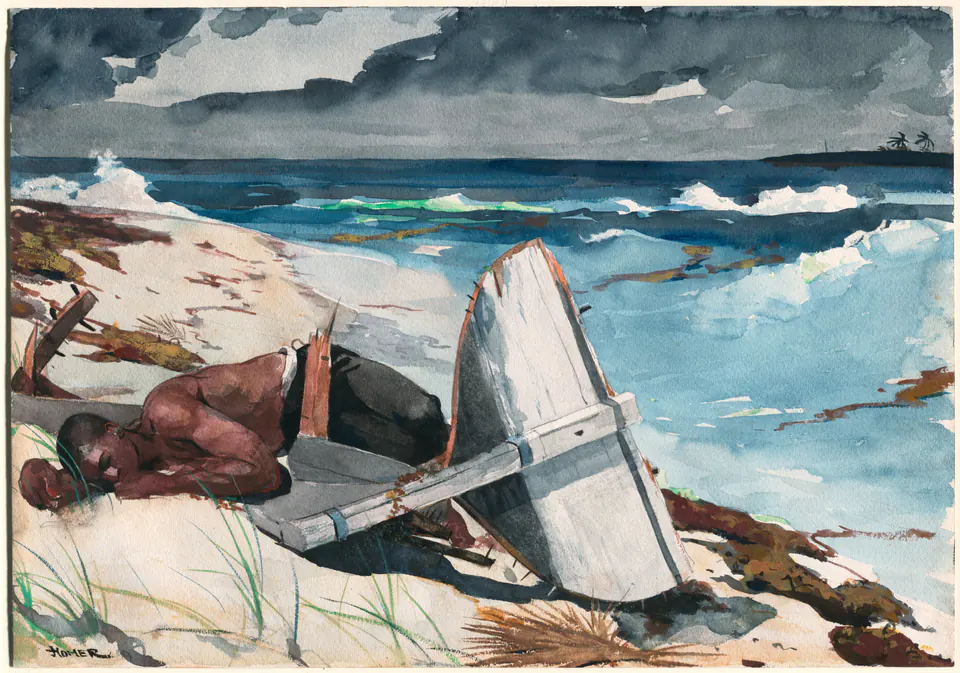
After the Hurricane, Bahamas
1899 · Art Institute of Chicago · 1933.1235
CC0 Public Domain Designation
Resized to 960 pixels wide and converted to WebP; no crop.

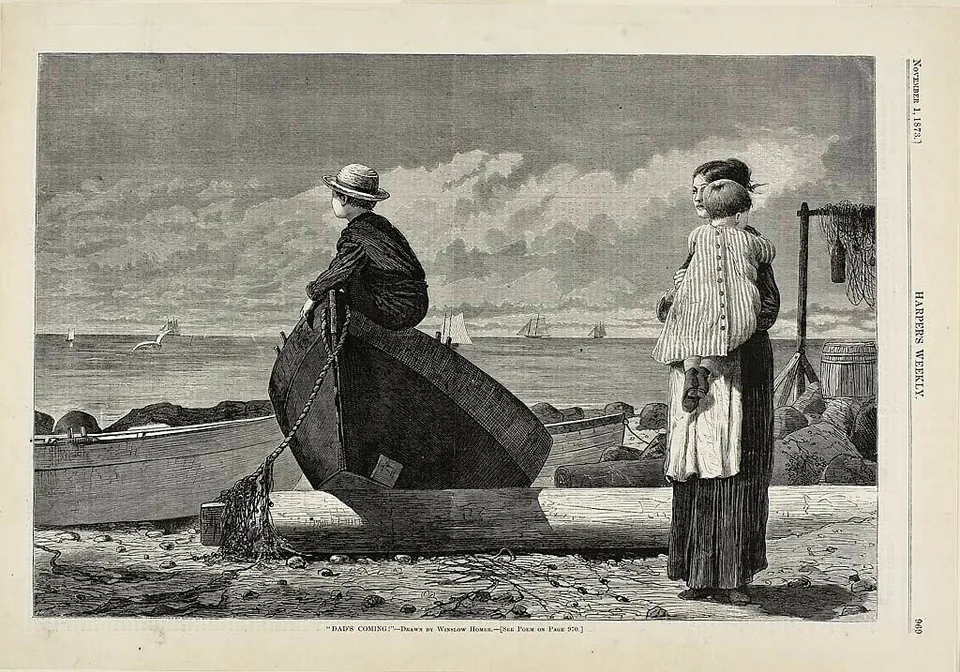
“Dad’s Coming!”
published 1873 · Art Institute of Chicago · 2001.861
CC0 Public Domain Designation
Resized to 960 pixels wide and converted to WebP; no crop.

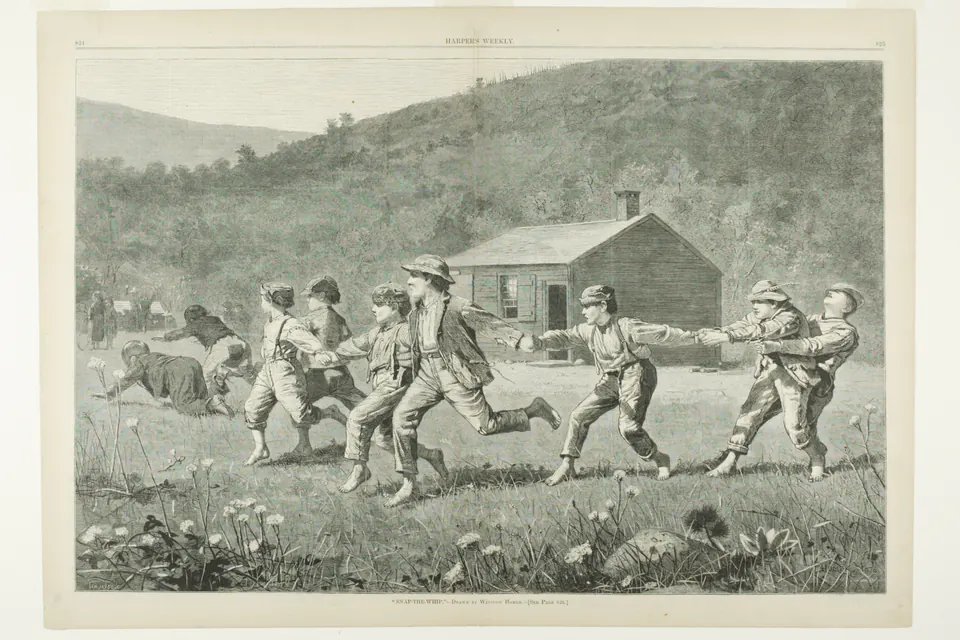
“Snap-the-Whip”
published 1873 · Art Institute of Chicago · 2001.858
CC0 Public Domain Designation
Resized to 960 pixels wide and converted to WebP; no crop.

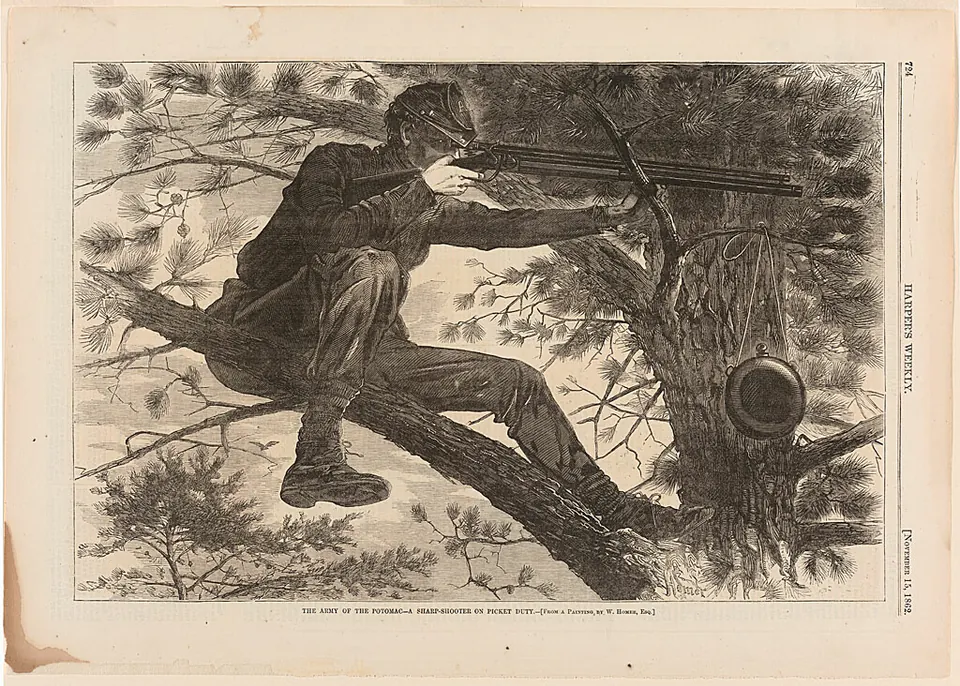
The Army of the Potomac—A Sharp-Shooter on Picket Duty
published 1862 · Art Institute of Chicago · 2001.795
CC0 Public Domain Designation
Resized to 960 pixels wide and converted to WebP; no crop.

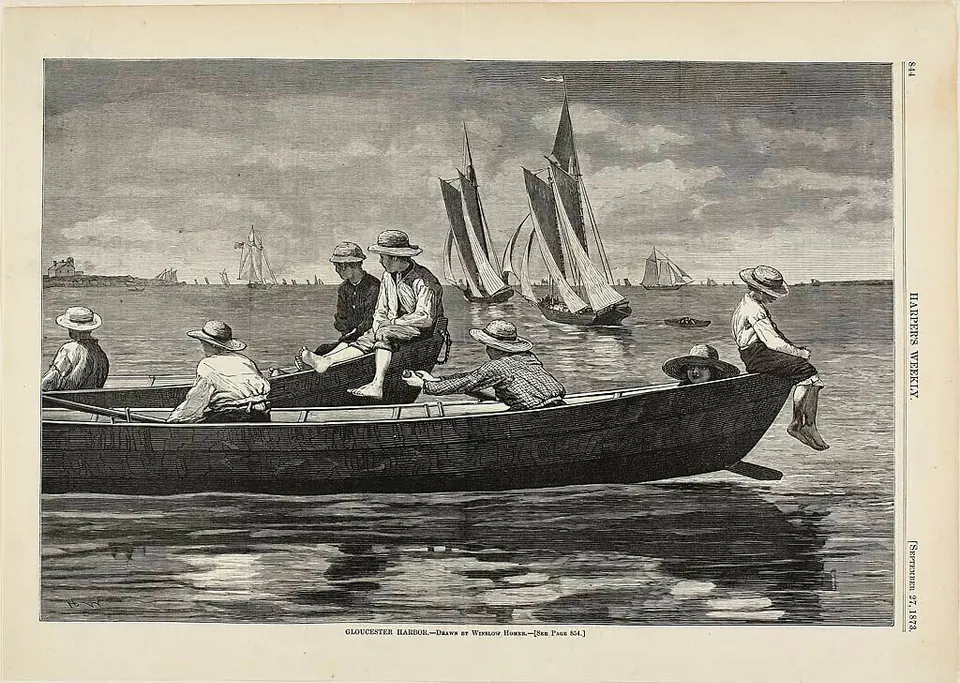
Gloucester Harbor
published 1873 · Art Institute of Chicago · 2001.859
CC0 Public Domain Designation
Resized to 960 pixels wide and converted to WebP; no crop.

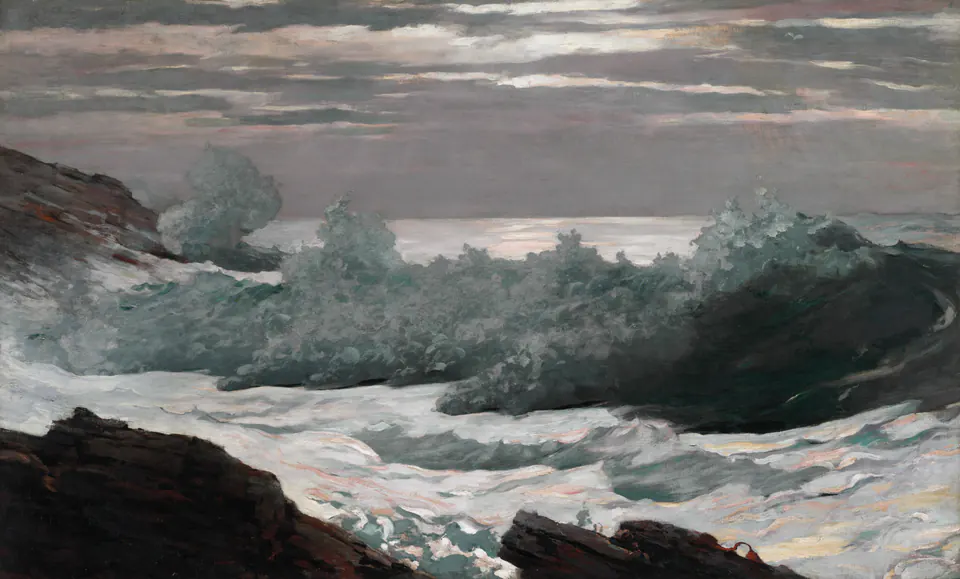
Early Morning After a Storm at Sea
1900–03 · Cleveland Museum of Art · 1924.195
CC0 Public Domain Designation
Resized to 960 pixels wide and converted to WebP; no crop.
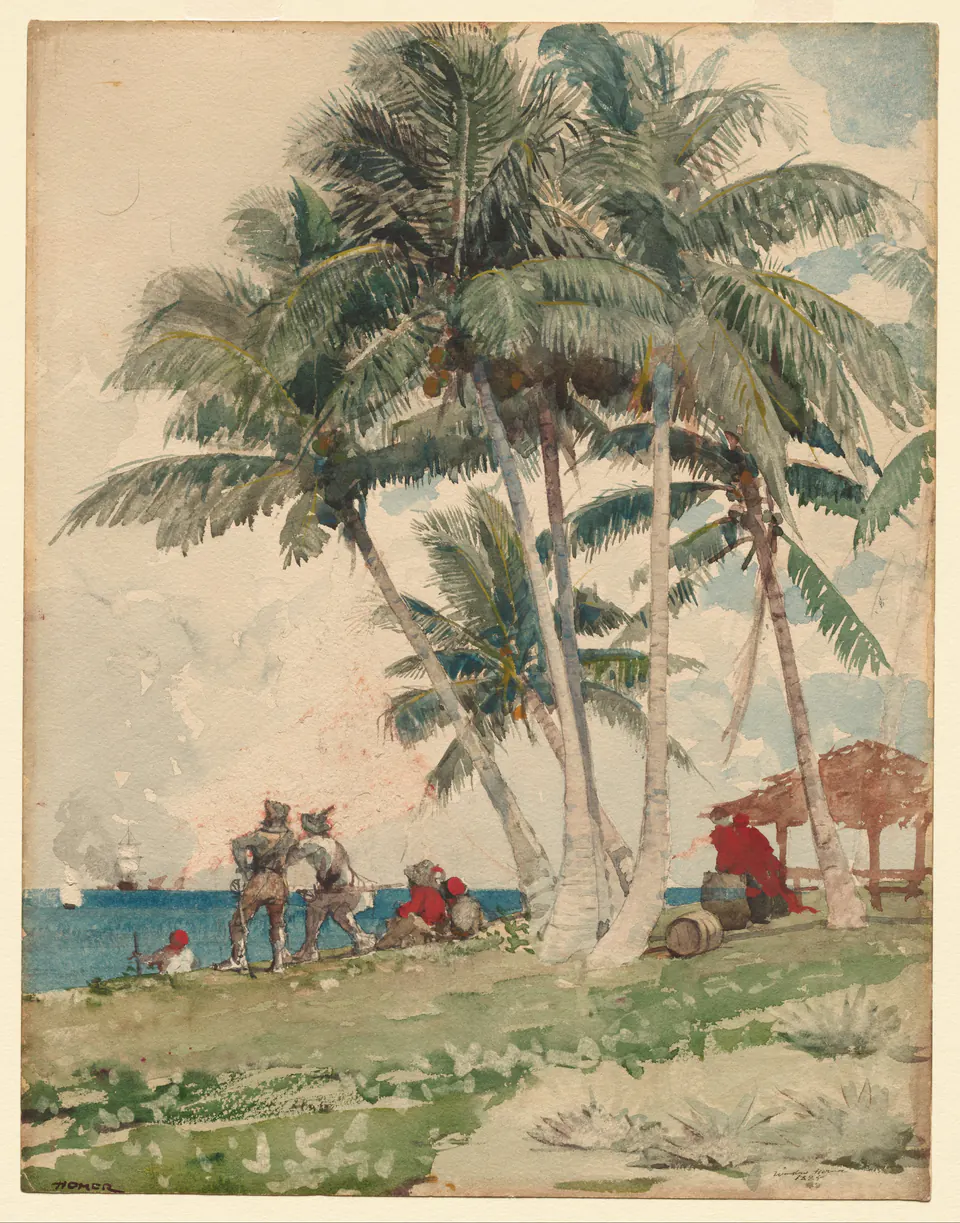
The Buccaneers
1885 · Cleveland Museum of Art · 1923.2489
CC0 Public Domain Designation
Resized to 960 pixels wide and converted to WebP; no crop.
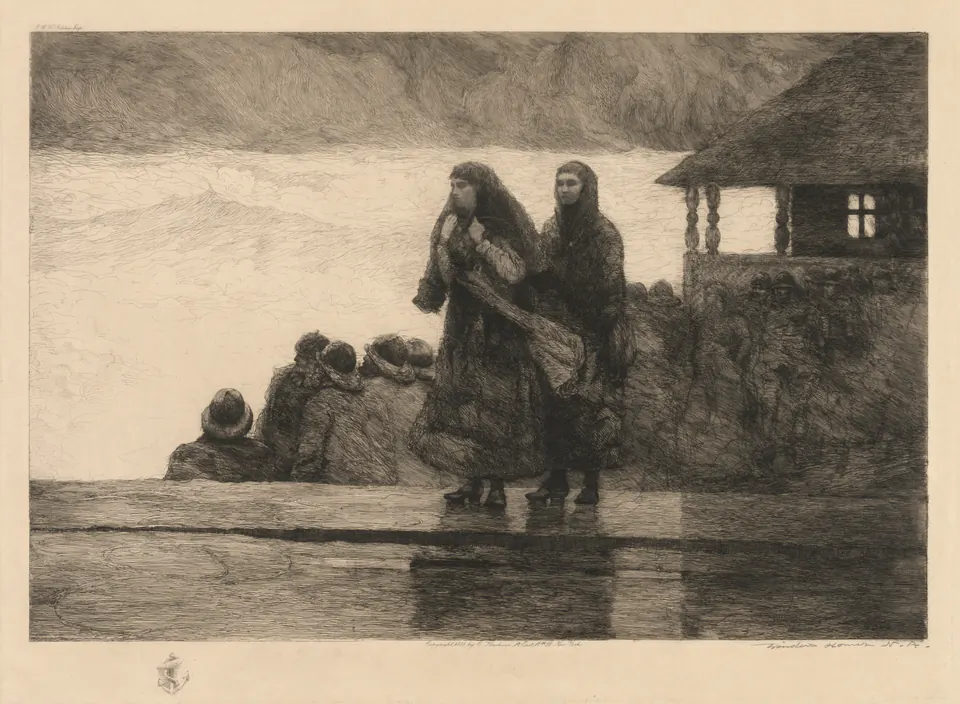
Perils of the Sea
1888 · Cleveland Museum of Art · 1924.545
CC0 Public Domain Designation
Resized to 960 pixels wide and converted to WebP; no crop.
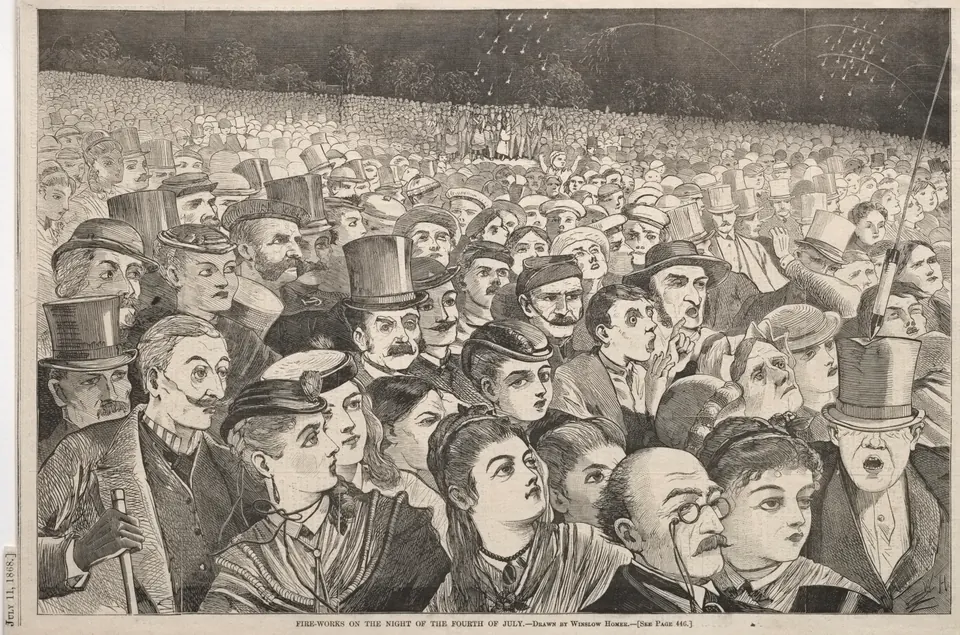
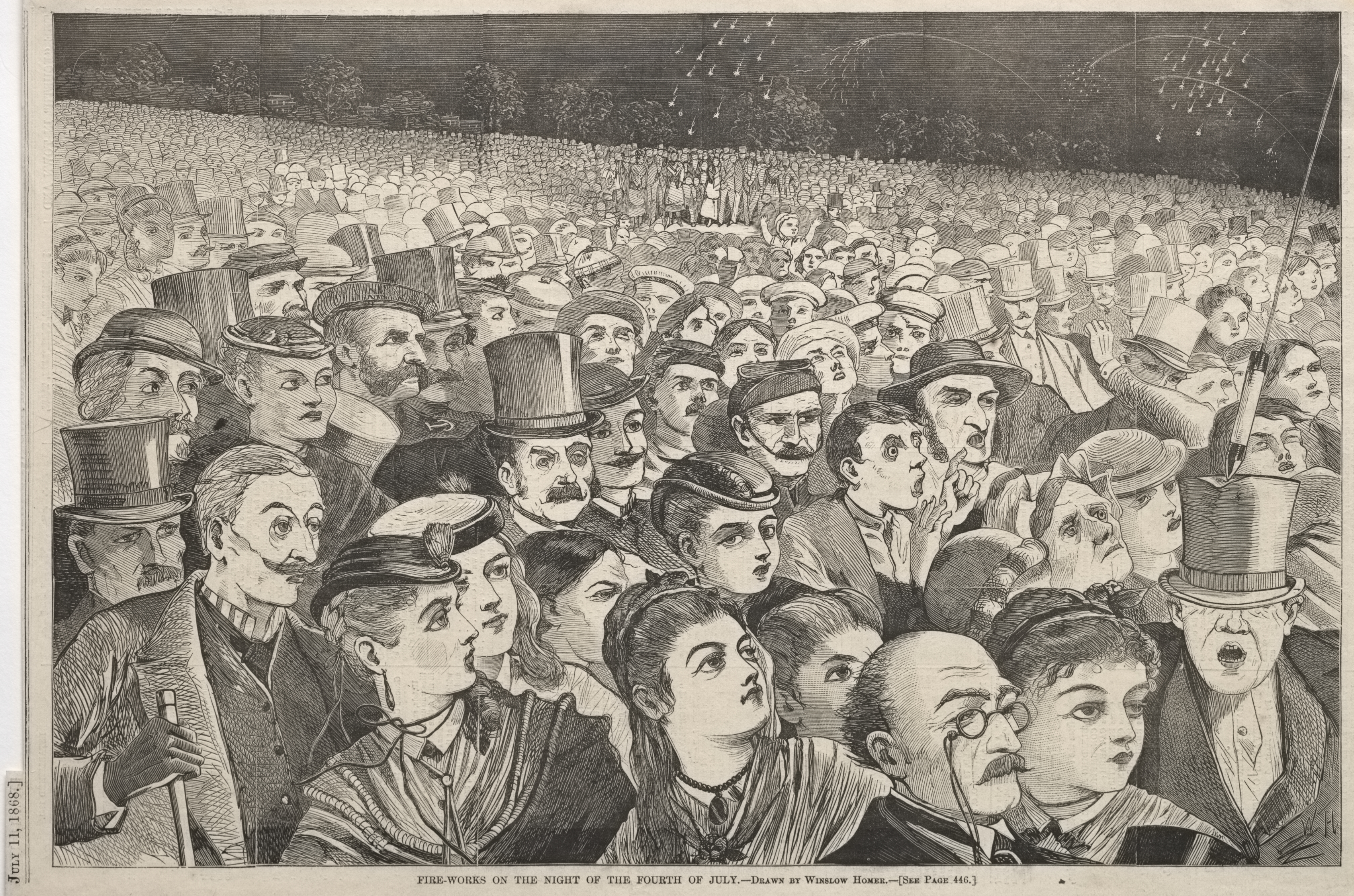
Fire-Works on the Night of the Fourth of July
1868 · Cleveland Museum of Art · 1942.1286
CC0 Public Domain Designation
Resized to 960 pixels wide and converted to WebP; no crop.
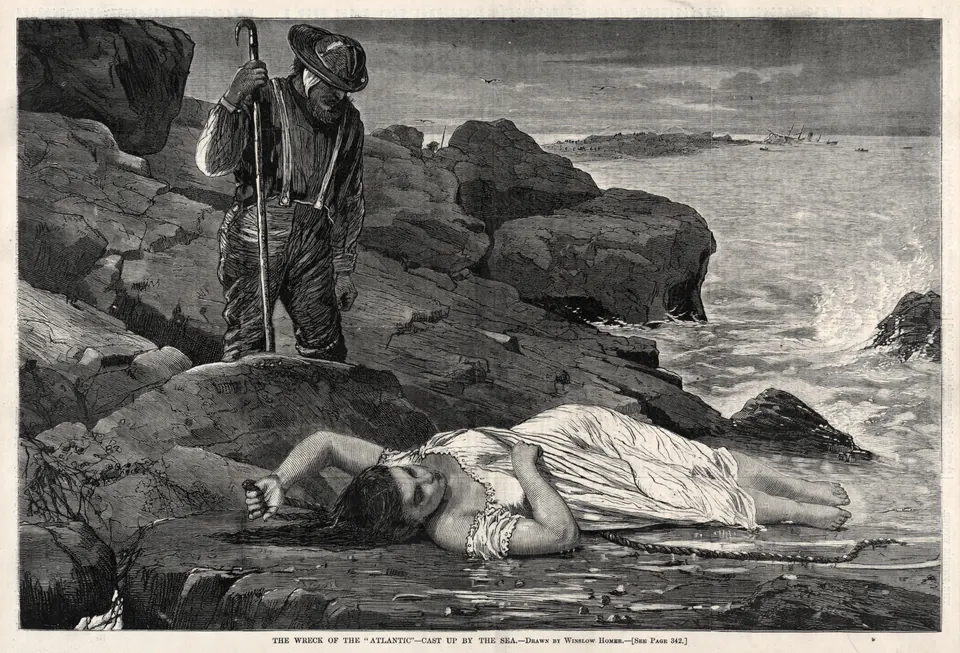
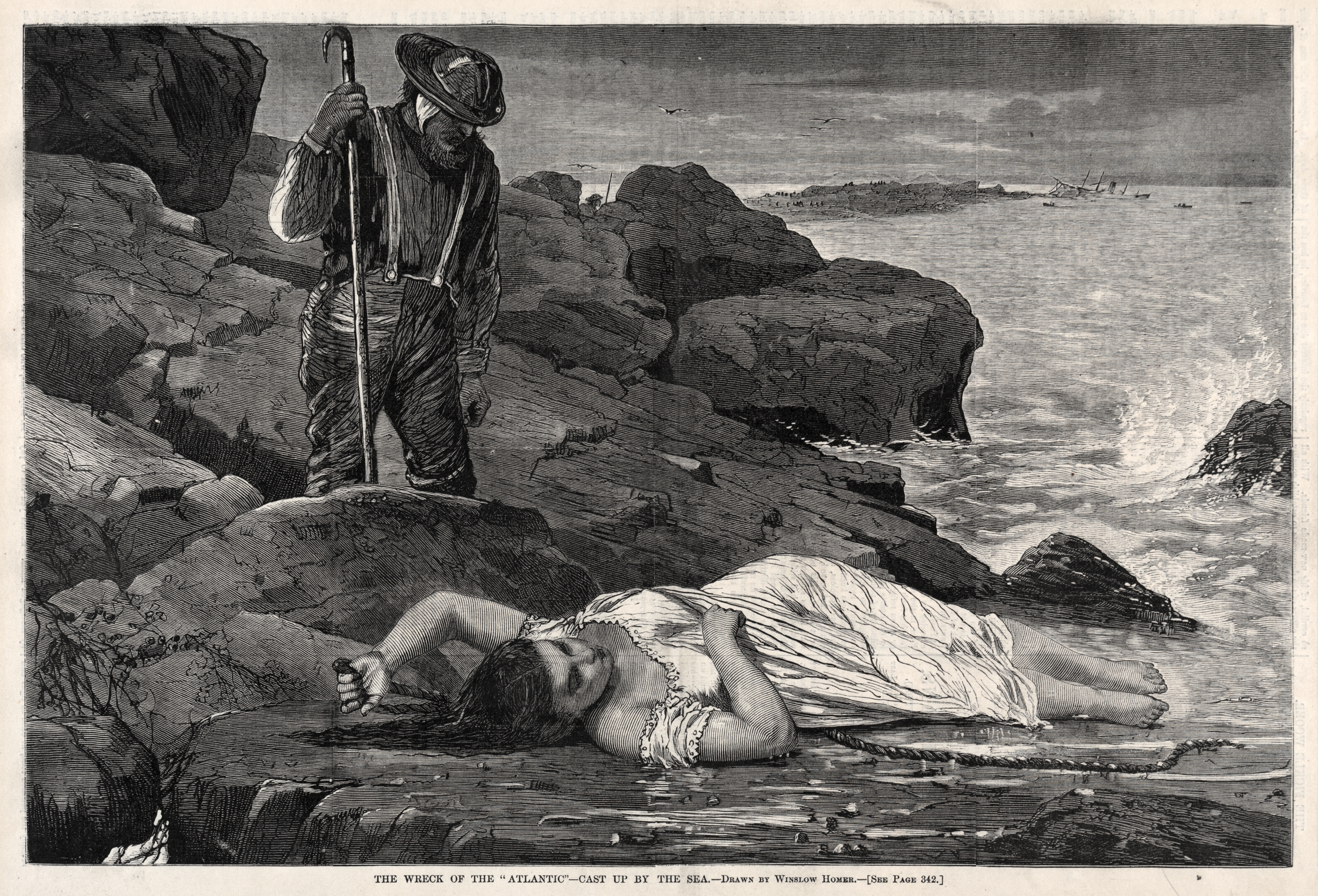
The Wreck of the “Atlantic”—Cast Up by the Sea
1873 · Cleveland Museum of Art · 1942.1304
CC0 Public Domain Designation
Resized to 960 pixels wide and converted to WebP; no crop.
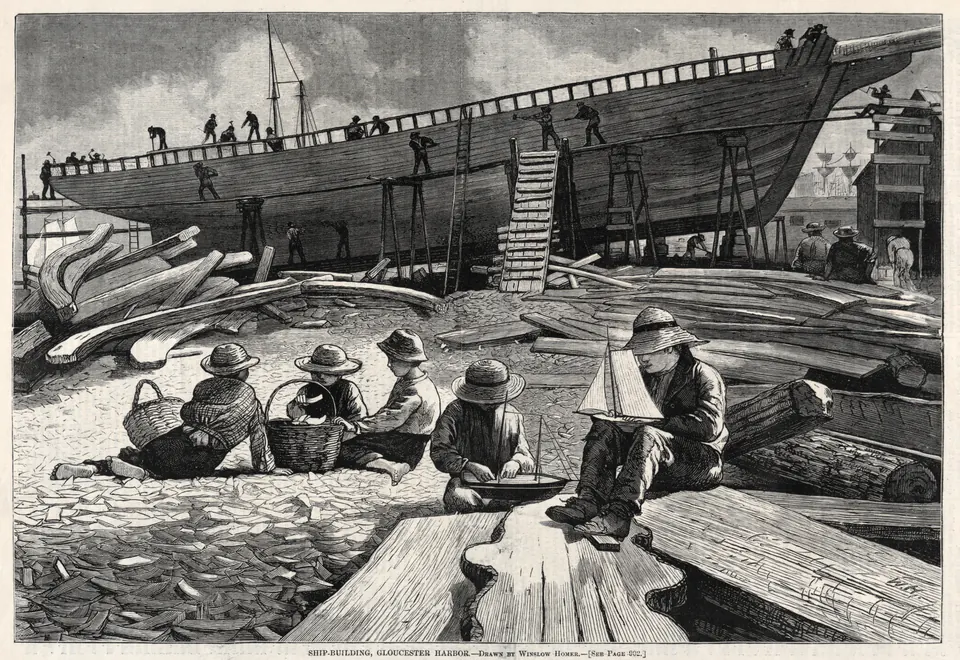
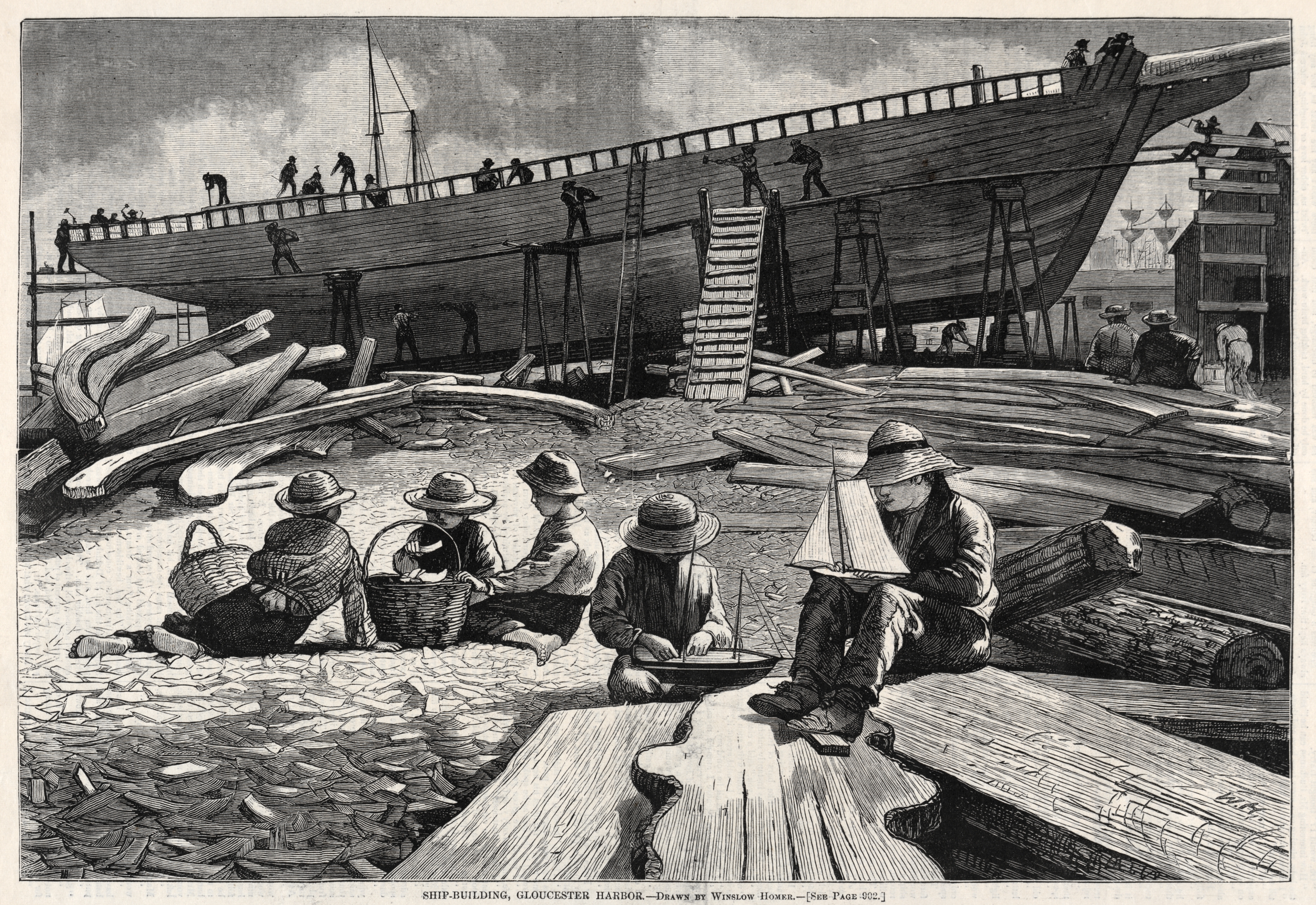
Ship-Building, Gloucester Harbor
1873 · Cleveland Museum of Art · 1942.1312
CC0 Public Domain Designation
Resized to 960 pixels wide and converted to WebP; no crop.
Sources and review method
We checked the artist chronology against museum records, treated each named jurisdiction separately, and recorded the provider policy for the image set. These sources support the legal framework and artist dates used above; the source file for any individual image still needs its own record.
- The Herring Net — Art Institute of Chicago. Feature identity, accession, nineteenth-century publication history, provenance, and CC0 file status.
- After the Hurricane, Bahamas — Art Institute of Chicago. Watercolor identity, 1915 market transfer, early publication history, accession, and CC0 file status.
- Early Morning After a Storm at Sea — Cleveland Museum of Art. Painting identity and documented 1903, 1918, and 1924 sales before its accession.
- The Buccaneers — Cleveland Museum of Art. Watercolor identity, 1899 auction, dealer transfers, accession, and exact CC0 file.
- Open Access Images — Art Institute of Chicago. Files labelled CC0 Public Domain Designation may be reused for commercial and non-commercial purposes.
- Open Access — Cleveland Museum of Art. Cleveland releases eligible collection images and metadata under CC0 for commercial and non-commercial reuse.
- Directive 2006/116/EC, Article 1 — EUR-Lex. The EU term for an artistic work is the author’s life plus 70 years.
- How long copyright lasts — UK Government. UK guidance gives 70 years after the author’s death for artistic works.
- Law No. 5846 on Intellectual and Artistic Works, Article 27 — WIPO Lex. The Turkish economic-rights term is the author’s life plus 70 years.
- Circular 15A: Duration of Copyright — U.S. Copyright Office. The 2026 term table places works published before 1931 outside the maximum 95-year publication term.
- Certain Unpublished, Unregistered Works Enter Public Domain — U.S. Copyright Office. Older unpublished works have a separate U.S. term analysis; discovery and first-publication history can matter.
- 17 U.S.C. Chapter 3, including §303 — U.S. Copyright Office. Section 303 states the transition rules and minimum 2002 or 2047 expiry floors for works that were unpublished on 1 January 1978.
- Visual Artists: Publication — U.S. Copyright Office. Distribution can publish a visual artwork, while public display by itself does not establish publication.
- Compendium of U.S. Copyright Office Practices, Chapter 900, §909.3(A) — U.S. Copyright Office. A purely faithful scan or “slavish copy” does not add registrable authorship, while substantial restoration or alteration can require a separate analysis.
- Copyright notice: digital images, photographs and the internet — UK Intellectual Property Office. A digital image can require a separate rights and website-terms check even when its subject is old.
Editorial record
About this article
- Author
- Publisher
- GeMarkt
- Published
- Reviewed
- Internal source & rights check. Conducted by GeMarkt Research Review. This is an internal editorial check—not independent peer review.
- Source standard
- Rights guide source standardSeparates the underlying work from the source file, records the review date, and links the evidence used for the conclusion.
Found a claim that needs checking? Report a factual error.