GeMarkt Blog · Practical guide
Last-Minute Art Gifts: Digital Downloads
Turn a digital art download into a thoughtful gift without confusing file delivery with a finished print. Check the licence, pixels, format and local deadline.

A digital art download can be a good last-minute gift, but receiving a file is not the same as having a finished print. Decide which you are promising. Then check the download’s availability, the recipient’s permitted use and the time needed for printing and framing.
The safest plan is one you can actually complete: a correctly licensed file with useful instructions, or a physical print whose production and collection have been confirmed. Avoid promising a framed gift tonight because a listing says “digital.” The artwork examples below help explain format choices; the images displayed in this article are reading illustrations, not a downloadable retail bundle.
Decide whether you are giving a file or a print
A file gift suits someone who wants control over the paper, size and frame and is comfortable arranging printing. It is less convenient for somebody expecting an object they can unwrap and display. Ask before turning your shortage of time into their new task.
For a finished-print gift, you are responsible for the steps between the download and the handover. Those include selecting the correct file, confirming the output size, checking the print and obtaining any frame you have promised. If one of those steps is uncertain, describe the gift accordingly.
A third option is to choose the artwork together and complete the physical version later. That can be more thoughtful than a rushed print on unsuitable paper. Give a specific plan: what you will arrange, what the recipient can choose and when you will follow up. Do not present a vague future intention as a finished purchase.
Check that the file is actually ready
Read the listing for the distinction between an existing download and a made-to-order digital item. A personalised date, name or special crop may require the seller to do work first. Digital delivery removes postal transit for the file; it does not remove production time.
For example, Etsy’s download guidance distinguishes instant downloads from made-to-order files. It also notes that a download may remain unavailable while payment processes. Those are platform-specific conditions, not a promise about every seller or website.
Once available, open the actual file before sending anything to a printer. Check that it is the promised image and format, not a preview, contact sheet or instruction PDF. If the purchase supplies several ratios, read the filenames and included guide carefully. Keep the original file intact and use a separate copy for any permitted print preparation. A screenshot of the listing is not a substitute for the supplied file.
Confirm what the recipient is allowed to do
Check the file’s stated terms for the gift you intend to make. Giving one physical print, passing on the digital file and purchasing a licence for another person are not automatically the same arrangement. If a paid download is licensed to the purchaser only, ask the seller whether the recipient may hold and print it or whether a separate purchase is needed.
Do not assume that permission to make a personal print also permits forwarding the package to a group, uploading it publicly or selling copies. Equally, do not treat an old painting’s age as a complete description of every modern file’s terms. The source image, a prepared retail package and the artwork depicted can involve different conditions.
For museum downloads, follow the exact object and file information rather than a search engine’s “free image” label. Our guide to checking museum and other files gives a practical starting point. Keep the source and terms with the gift so the recipient does not have to reconstruct them later.
Choose the image shape before the frame
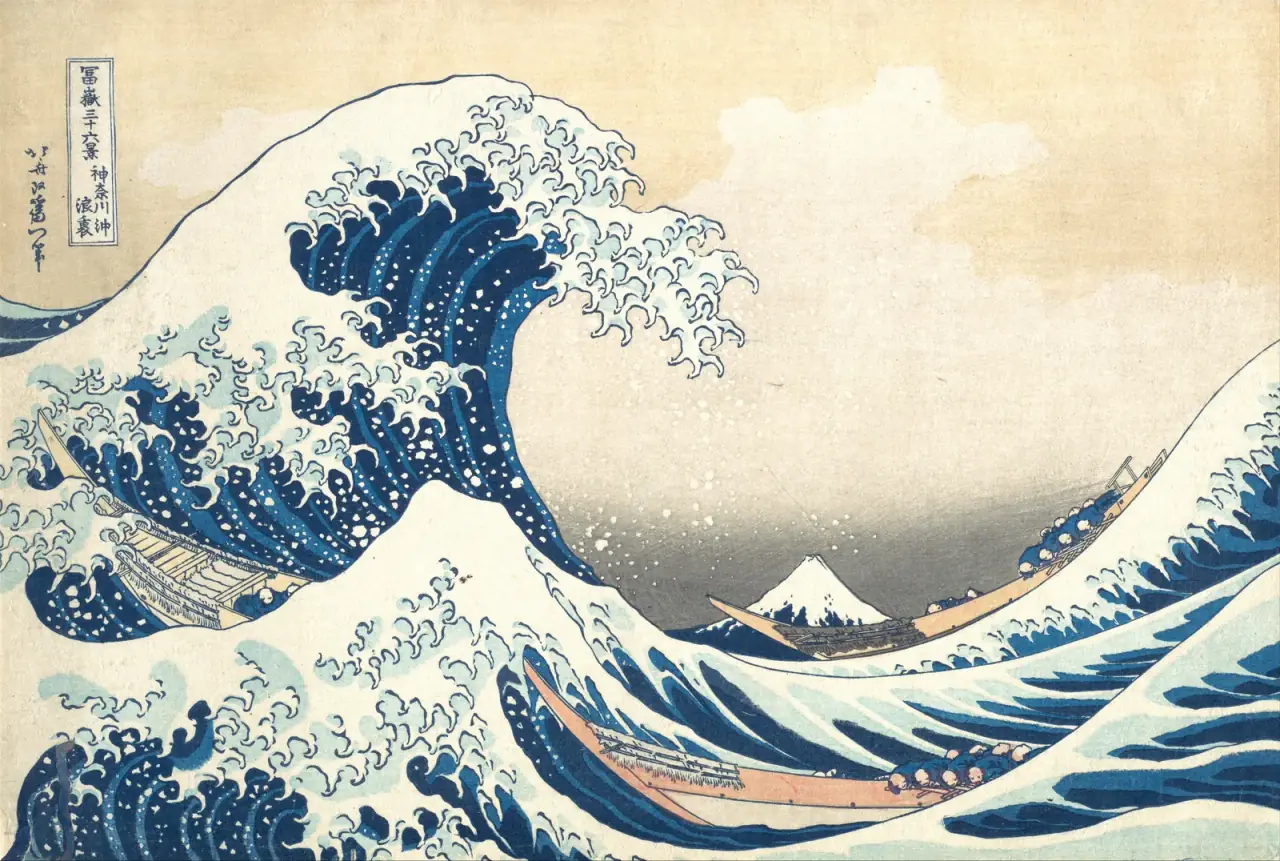
Hokusai’s Under the Wave off Kanagawa, ca. 1830–1832, is an example of a horizontal composition. In the Met impression JP1847, the boats, crest and distant Mount Fuji spread across the sheet. A narrow portrait crop would not be the complete image shown here.
By contrast, Hiroshige’s Plum Garden at Kamata, 1857, uses a tall sheet. The foreground tree, blossoms and partly visible palanquin depend on that vertical arrangement. Choose a frame and mount that suit the supplied file, rather than forcing either work into whatever frame happens to be in stock.
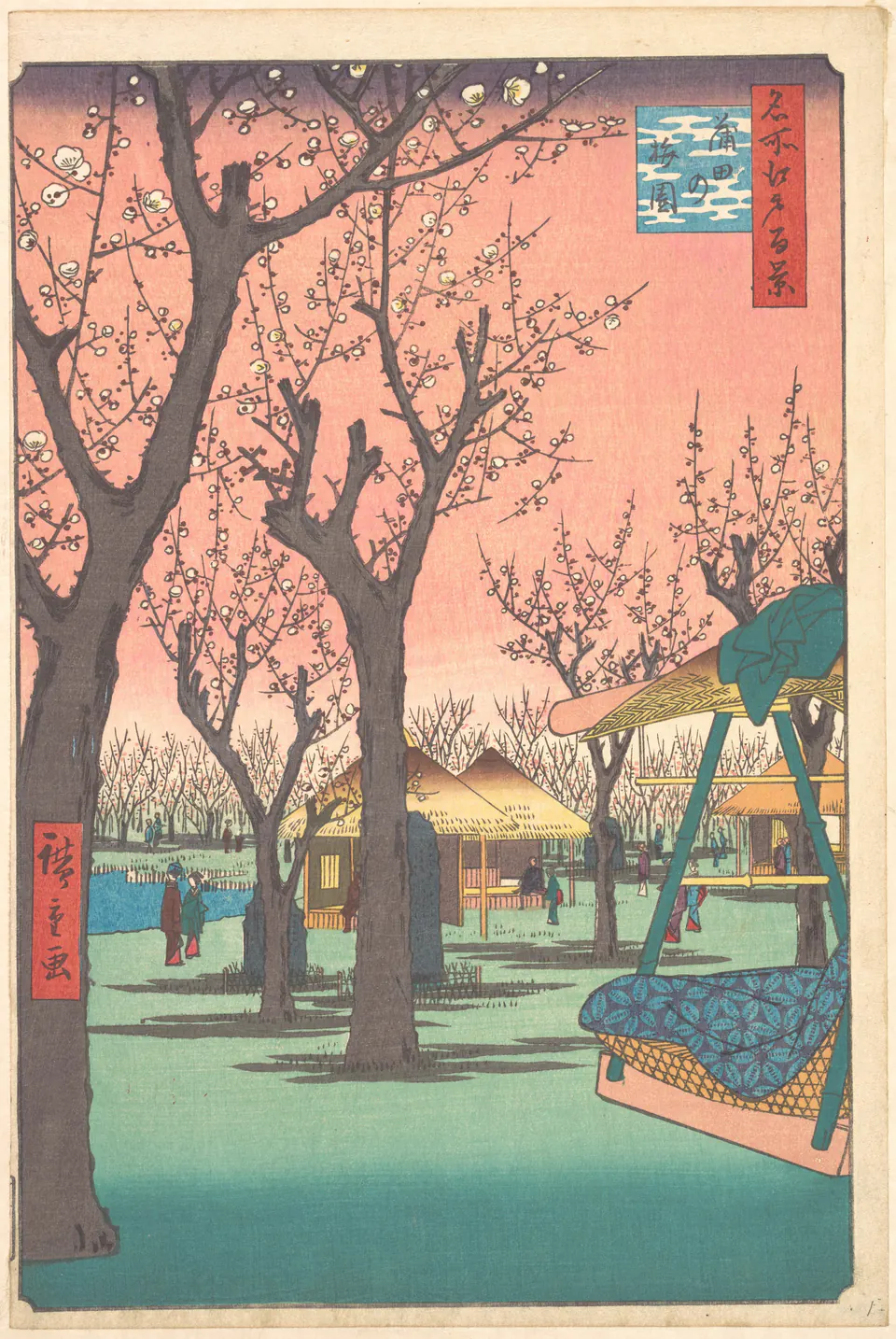
Keeping the whole composition may mean adding blank space around it. That is different from cropping the image or stretching it to fill a frame. Check the print preview for all four edges. An automatic “fill” setting can remove details; a “fit” setting can leave margins. Neither tells you the final visible opening of a mount.
Check pixels without inventing detail
The pixel dimensions of the supplied image help determine its printed size. A 3000 × 2400 pixel file gives 10 × 8 inches at 300 pixels per inch, or 15 × 12 inches at 200 pixels per inch. These are worked calculations, not claims about the files illustrated here or a universal quality threshold. Ask the printer what suits the actual image and output.
Adobe’s image-size guidance distinguishes pixel dimensions, print resolution and resampling. Changing a resolution field is not evidence that the source contains more detail. Inspect the real file, especially faces, fine lines and areas that already look blurred.
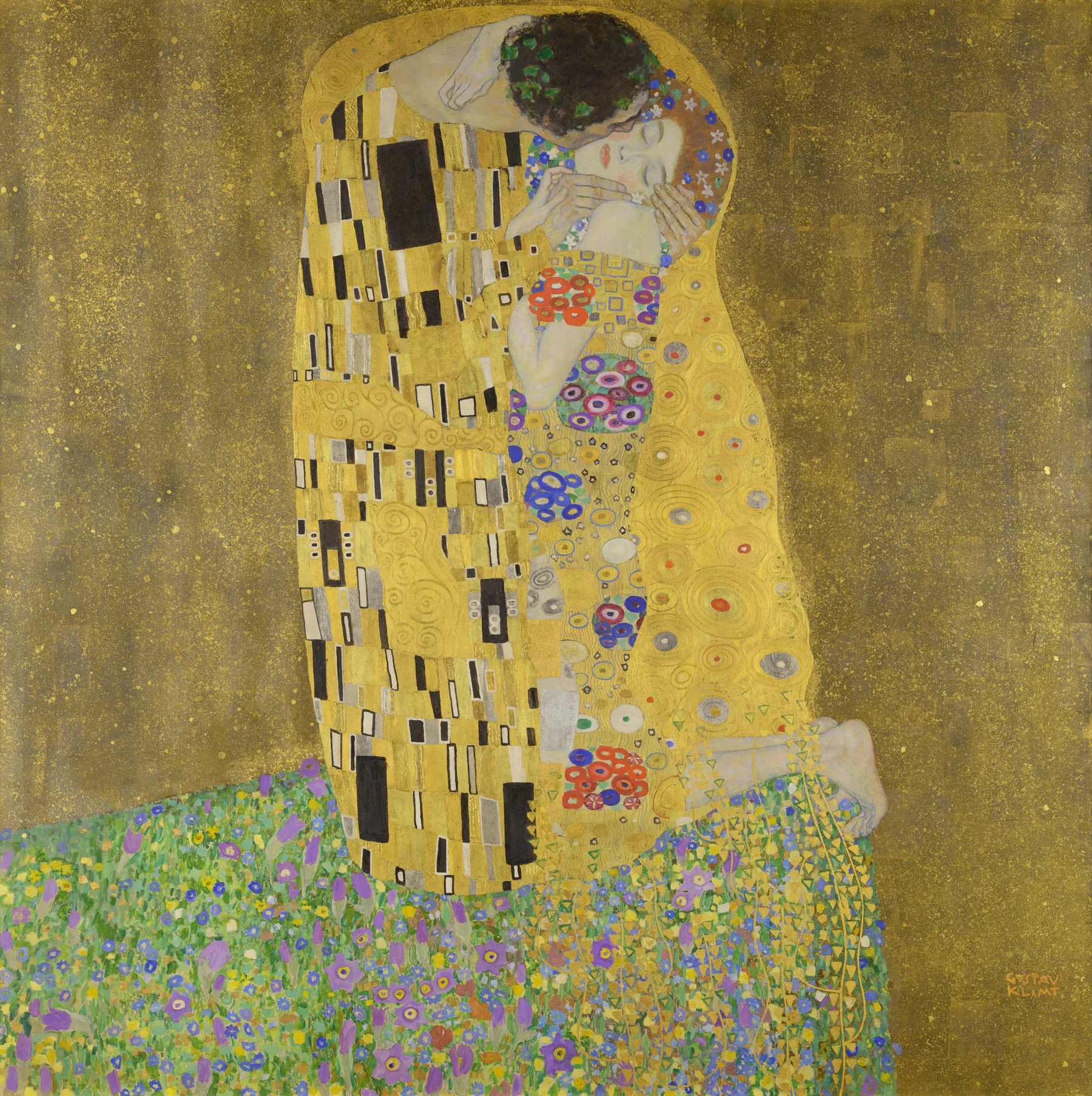
Klimt’s The Kiss illustrates another limitation: a digital image records the appearance of the original, not its physical metal leaf. A conventional print cannot promise the same reflective surface. Check any claim about metallic finishing against the actual product specification.

Work backwards from the printing deadline
Call or message the actual printer before buying around a deadline. Give the file type, desired image size, paper preference and collection time. Ask whether the quoted time includes checking the file, printing, trimming and any framing. An upload confirmation is not a confirmed collection appointment.
Allow time to inspect the result. Check that the right file was used, that no important edge has vanished and that the sheet fits the intended frame or mount. If the printer needs a colour profile or a particular export, follow their instructions; do not make speculative adjustments simply because the screen looks brighter than a sheet of paper.
When there is not enough time, reduce the promise rather than the care. You might present the chosen image in a card and arrange the final print later. Our digital printing guide covers preparation in more depth. Neither it nor a seller’s generic description can confirm a local printer’s current workload or stock.
Hand over a complete and honest gift
For a permitted file gift, include the artist and title, the original download, relevant terms and a short explanation of the intended size. Make clear whether the recipient still needs to pay for printing or framing. Test that they can access the file without sharing your account password or exposing unrelated purchases.
For a physical gift, tell them what it is: a modern reproduction, its actual print dimensions and whether the frame is included. Keep the source details separately so they can learn about the artwork without technical notes overwhelming the presentation.
The thoughtful part is not the speed of the download. It is selecting an image they will enjoy and removing confusion about what happens next. A small, complete plan is a better last-minute gift than an impressive promise whose licence, printing or delivery has not been settled.
Editorial record
About this article
- Author
- Publisher
- GeMarkt
- Published
- Reviewed
- Internal source & rights check. Conducted by GeMarkt Research Review. This is an internal editorial check—not independent peer review.
- Source standard
- Buying guide source standardSeparates measured or first-hand evidence from general guidance and keeps practical limits visible.
Found a claim that needs checking? Report a factual error.