GeMarkt Journal · Practical guide
Is James McNeill Whistler Public Domain? A Work-and-File Guide
Twelve named Whistler works are public domain in the markets checked here; U.S. publication history, exact impression, and museum file remain separate checks.
Rights check · reviewed
The short answer
Yes—for the 12 named paintings, lithographs, etchings, and exact institutional files documented here in the European Union, United Kingdom, Türkiye, and United States. The answer does not automatically clear every Whistler work, proof, impression, or digital reproduction.
| What is being checked | Result | Why |
|---|---|---|
| European Union & United Kingdom | Public domain | Whistler died in 1903, beyond the ordinary life-plus-70 term for artistic works. |
| Türkiye | Public domain | Türkiye applies a life-plus-70 economic-rights term. Whistler’s established works are beyond it. |
| United States | Clear for the 12 documented works and impressions below | The selected paintings have pre-1931 catalogues or illustrated publication, while the prints belong to distributed nineteenth-century portfolios or editions. A newly discovered or uncertain work still needs its own history checked. |
| Museum image or download | Check the exact object, impression, and file | A painting, etched design, plate state, physical impression, modern photograph or scan, and local derivative are distinct records. Preserve the accession, source endpoint, and CC0 statement together. |
This guide separates the underlying design, U.S. publication history, unique painting or exact print impression, state and series where recorded, and institutional file. It makes no blanket worldwide claim.
This is a documented research summary, not legal advice. Copyright and moral-rights rules can vary by country and by the history of a particular work.

What we’ll look at
When can a Whistler painting or print be reused, and why are title, publication, state, impression, and digital file separate records?
The practical answer is yes for the 12 James McNeill Whistler paintings, print designs, impressions, and institutional files documented here—not automatically for every Whistler work or every image online. Whistler died in 1903, so his established works are beyond the ordinary economic-rights term in the European Union, United Kingdom, and Türkiye. The selected U.S. set also has evidence from catalogues, illustrated publications, portfolios, print editions, and institutional histories before 1931.
That answer contains five records:
- the underlying painting, lithographic design, or etched design;
- the U.S. publication history, which cannot be inferred from the creation date alone;
- the unique painting or exact physical print impression;
- the plate state, edition, or portfolio where the institution identifies one;
- the provider’s digital file and GeMarkt’s local derivative.
This is a research summary, not legal advice. It names its markets, works, impressions, and files instead of turning an artist’s surname into worldwide clearance.
The short answer is yes for the named set
The published ledger contains six Art Institute of Chicago records and six Cleveland Museum of Art records. Both institutions designate the exact selected files CC0. The set is deliberately mixed: three unique paintings, three AIC lithographic or etched portfolio records, and six Cleveland etching impressions with exact states where the museum supplies them.
The feature painting, Nocturne: Blue and Gold—Southampton Water, has nineteenth-century exhibition history, an 1892 catalogue title, a 1900 museum acquisition, and illustrated publication by 1908. Grey and Silver: Old Battersea Reach was reproduced in a 1921 museum bulletin. The Artist in His Studio appeared as an illustration in AIC’s 1917 collection catalogue.
The print histories are different. AIC dates Reading and its lithotint Nocturne as published in 1887. The etched title page belongs to the 1858 portfolio Douze Eaux Fortes d’après Nature. Cleveland identifies French, Thames, and Venice-set sheets as well as individual states. None of those facts lets one museum’s rights label travel to another impression or file.
Life plus 70 markets are clear
Article 1 of the EU term directive gives an artistic work the author’s life plus 70 years. UK government guidance uses the same ordinary duration for artistic works, and Article 27 of Türkiye’s Law No. 5846 applies life plus 70 to economic rights.
Whistler died in 1903. His established sole-authored works are beyond those ordinary terms.
| Market checked | Ordinary rule applied | Result for Whistler’s established works |
|---|---|---|
| European Union | author’s life plus 70 years | public domain |
| United Kingdom | 70 years after the creator’s death | public domain |
| Türkiye | life plus 70 years for economic rights | public domain |
Moral rights, trademarks, endorsement, privacy, cultural-property rules, museum access terms, and new creative restoration remain separate. A copyright conclusion does not permit a seller to imply that Whistler, a museum, or a former owner endorses a product.
The US answer is a publication fork
Copyright Office Circular 15A states that, in 2026, works published before 1 January 1931 are outside the maximum 95-year publication term. But a date painted or etched is not automatically a date published.
The Copyright Office’s visual-artist guidance explains the distinction. Distribution of an original or copies can publish a visual work; public display by itself does not. That is why an exhibition list supports identity and chronology but does not, on its own, close the U.S. question.
The unpublished branch also matters. Under 17 U.S.C. §303, a pre-1978 work that had not entered federal copyright through publication or registration follows the modern term with statutory minimums. A work still unpublished on 1 January 1978 and first published by the end of 2002 can receive a floor through 2047. A newly found studio sheet therefore needs a fresh history.
This guide’s named set does not depend on creation dates alone. The paintings have pre-1931 illustrated publication or collection-catalogue records. The prints belong to distributed nineteenth-century editions or portfolios, and the exact Cleveland impressions were in institutional custody by 1923. Where foreign first publication could raise restoration questions, the selected nineteenth-century designs were already outside their ordinary source-country term before the 1996 restoration date.
Nocturne is a title not an object identifier
Whistler reused musical terms—Nocturne, Arrangement, Symphony, and Harmony—to direct attention toward colour, tone, and relation rather than narrative. Those words are not unique identifiers.
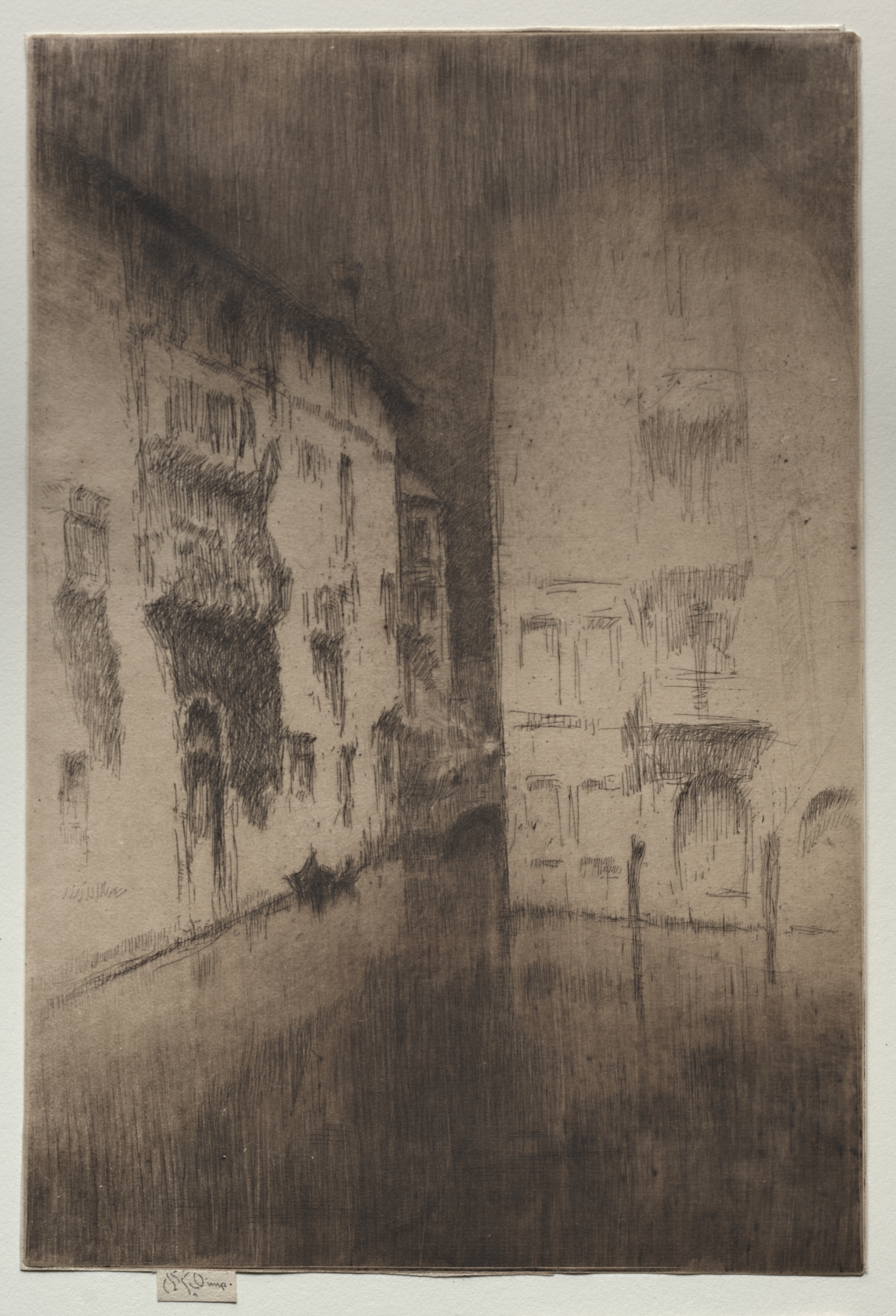
The feature is the 1872 oil painting Nocturne: Blue and Gold—Southampton Water, AIC accession 1900.52. AIC also holds the 1878 lithotint titled simply Nocturne, published in 1887. Cleveland’s Nocturne: Palaces is an etching from 1879–80, and its photographed impression is state IV of nine. They share a title family, not a rights record.
An exact-use ledger must therefore include artist, complete title, date, medium, institution, accession, and source-file URL. Searching for “Whistler nocturne public domain” is the beginning of identification, not a substitute for it.
Paintings portfolios states and impressions are different records
A painting is a unique physical object, but its image can circulate through exhibition catalogues, books, photographs, scans, and restorations. The copyright history of the painted work and the terms for a modern museum photograph are separate.
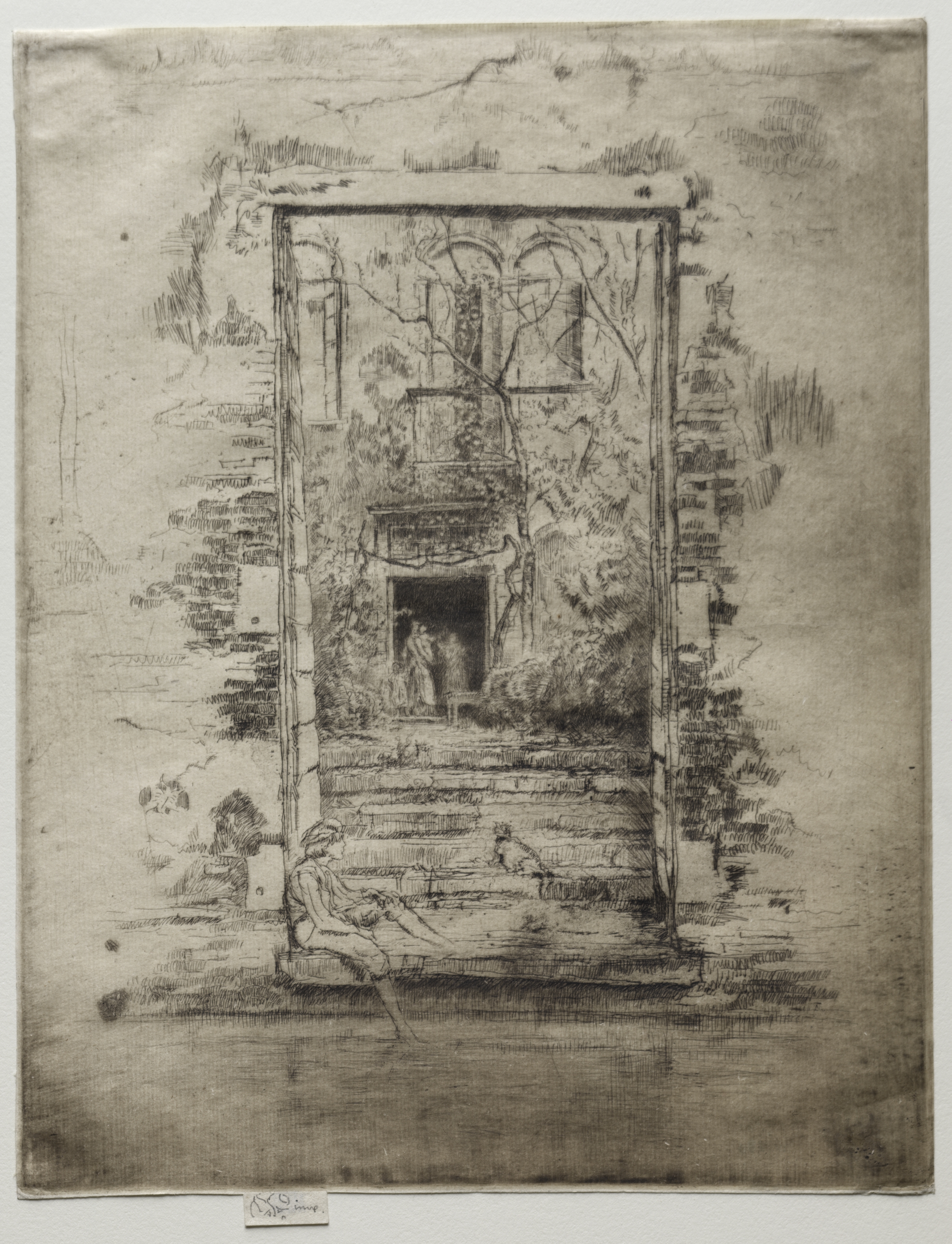
An etching adds more layers. Whistler could revise a copper plate between printings, creating states. He also changed ink, paper, wiping, plate tone, and margins from impression to impression. Cleveland records The Garden as state V/VIII and Nocturne: Palaces as state IV/IX. Those fractions identify stages in the plate’s development; they do not describe image resolution or a digital version.
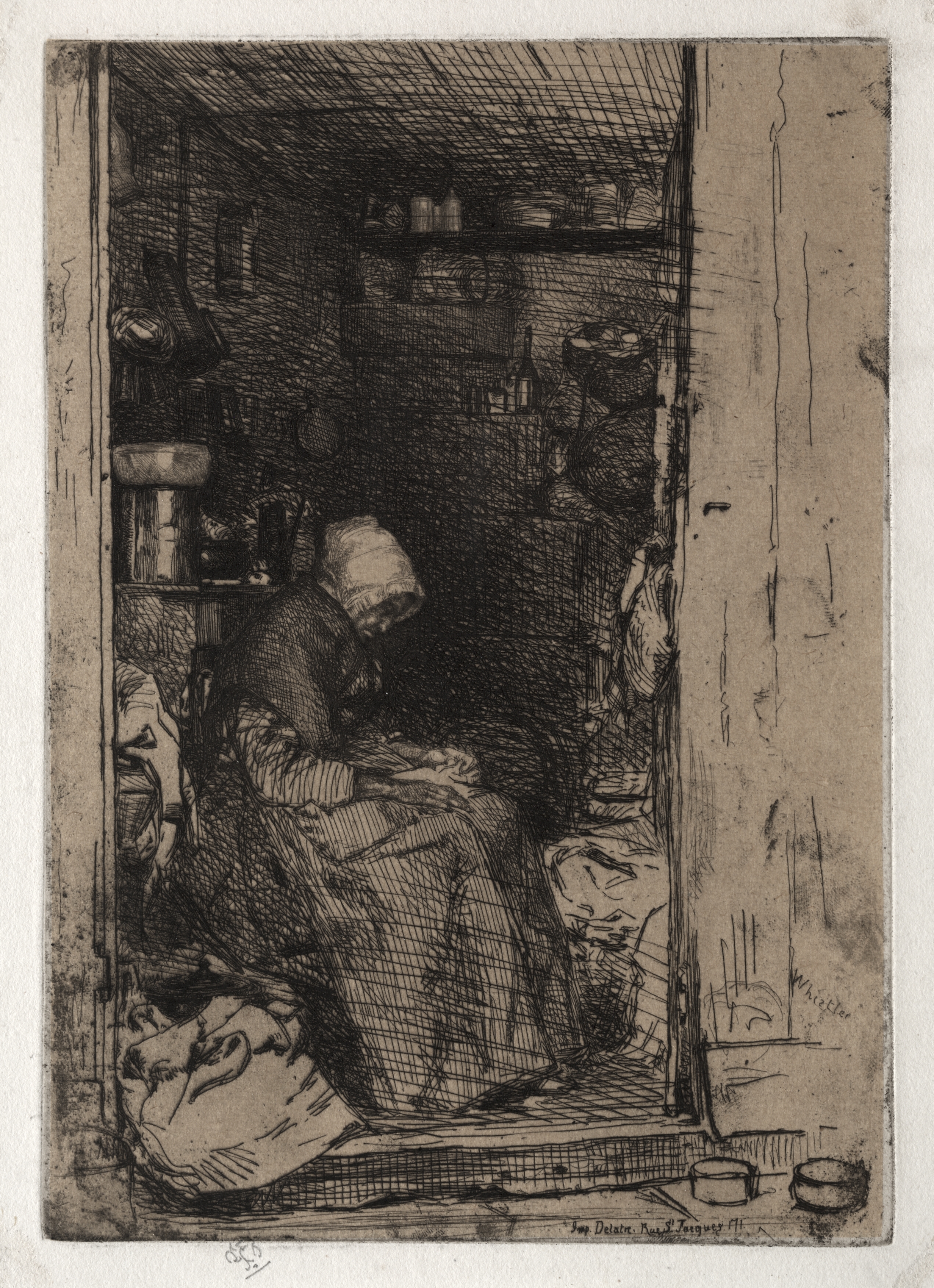
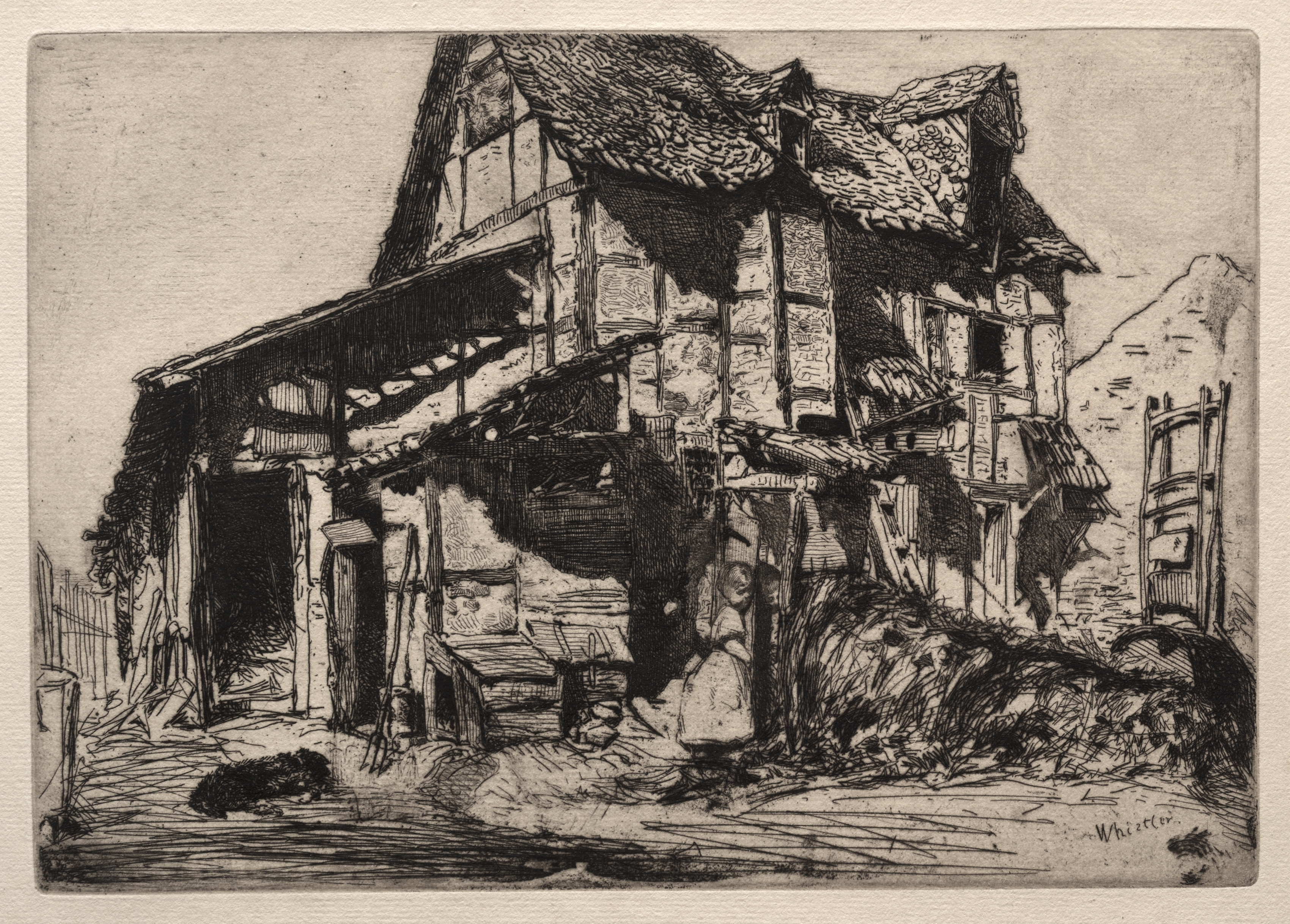
A portfolio is another record. The French Set, Thames Set, and two Venice sets organised and distributed prints, but a portfolio title does not erase impression-level differences. The Old Rag Woman, No. 10 and An Unsafe Tenement belong to the French Set, while The Garden belongs to the Second Venice Set. Their physical sheets and the museum files made from them remain distinct.
Is Nocturne Blue and Gold Southampton Water public domain
The underlying 1872 painting is public domain in the checked markets, and the exact AIC file used here is designated CC0. The University of Glasgow catalogue raisonné records the painting’s nineteenth-century exhibition and title history. AIC records its 1900 acquisition and its reproduction in early Whistler literature.
The feature master comes from AIC’s named IIIF JPEG. GeMarkt resized the full image to 1600 pixels wide and converted it to WebP without cropping. The SHA-256, dimensions, object URL, exact source endpoint, and four responsive derivatives are locked in the publication contract.
That conclusion does not automatically attach to a conservation photograph, a colour-restored book scan, a cropped marketplace file, or another institution’s image. Nor does it clear every work with Nocturne in the title.
Exact file terms control the download
The underlying work is only the first layer. The U.S. Copyright Office’s visual-arts compendium says a purely faithful scan may lack new registrable authorship, while sufficiently creative restoration or alteration can contain new authorship. The UK IPO likewise tells users to check the rights in digital images separately from their subjects.
Provider terms remain operationally important. AIC permits commercial and non-commercial reuse of files labelled CC0 Public Domain Designation. Cleveland releases eligible collection images and metadata under CC0, while its terms make clear that a dedication covering digitised content does not replace the underlying-work analysis.
This guide records only exact AIC IIIF and Cleveland Open Access endpoints carrying those affirmative signals. Each local candidate was resized without enlargement, converted to WebP, and left uncropped. If an upstream record, attribution, file, or rights label changes, the derivative must be reviewed again.
Twelve CC0 files form the published set
The visual strip below is generated from the same fail-closed registry used by tests. It contains exactly 12 records. Each has a unique accession, object URL, exact source-file URL, local path, dimensions, transformation note, and provider rights statement.
The bounded set is intentionally not a catalogue raisonné. It is large enough to compare paintings, lithographs, etchings, portfolios, states, and impressions without pretending that evidence for 12 files clears Whistler’s entire output.
A commercial reuse checklist
Before using a Whistler image in a product, campaign, publication, or download:
- Identify the complete title, date, medium, institution, and accession; “a Whistler Nocturne” is not enough.
- Re-run the copyright-term analysis for every target country.
- For the United States, save publication or distribution evidence; do not substitute creation or exhibition.
- For a print, record the portfolio, plate state, edition, impression, paper, and printer where supplied.
- Save the exact source-file URL and the provider’s current rights statement.
- Record crop, colour, restoration, compositing, and format changes.
- Check trademark, endorsement, privacy, moral-rights, cultural-property, and platform-contract issues separately.
- Re-review the record if attribution, object history, or the upstream file changes.
Where Whistler fits inside GeMarkt
This guide is editorial evidence, not a product announcement. GeMarkt currently has no Whistler collection, product, download, or wallpaper room, so none is linked here. If a collection is later prepared, its production files and rights ledger must be reviewed before its route is opened.
For broader context, continue with the Impressionism chapter, the cross-artist guide to public-domain status, and the practical distinction between public domain and unrestricted reuse in Public domain is not a free-for-all.
Rights-checked image ledger
A documented starting set
These files were selected from the holding institutions rather than from search-result copies. Each card keeps the artwork record, exact source file, provider statement and GeMarkt transformation visible as separate facts.
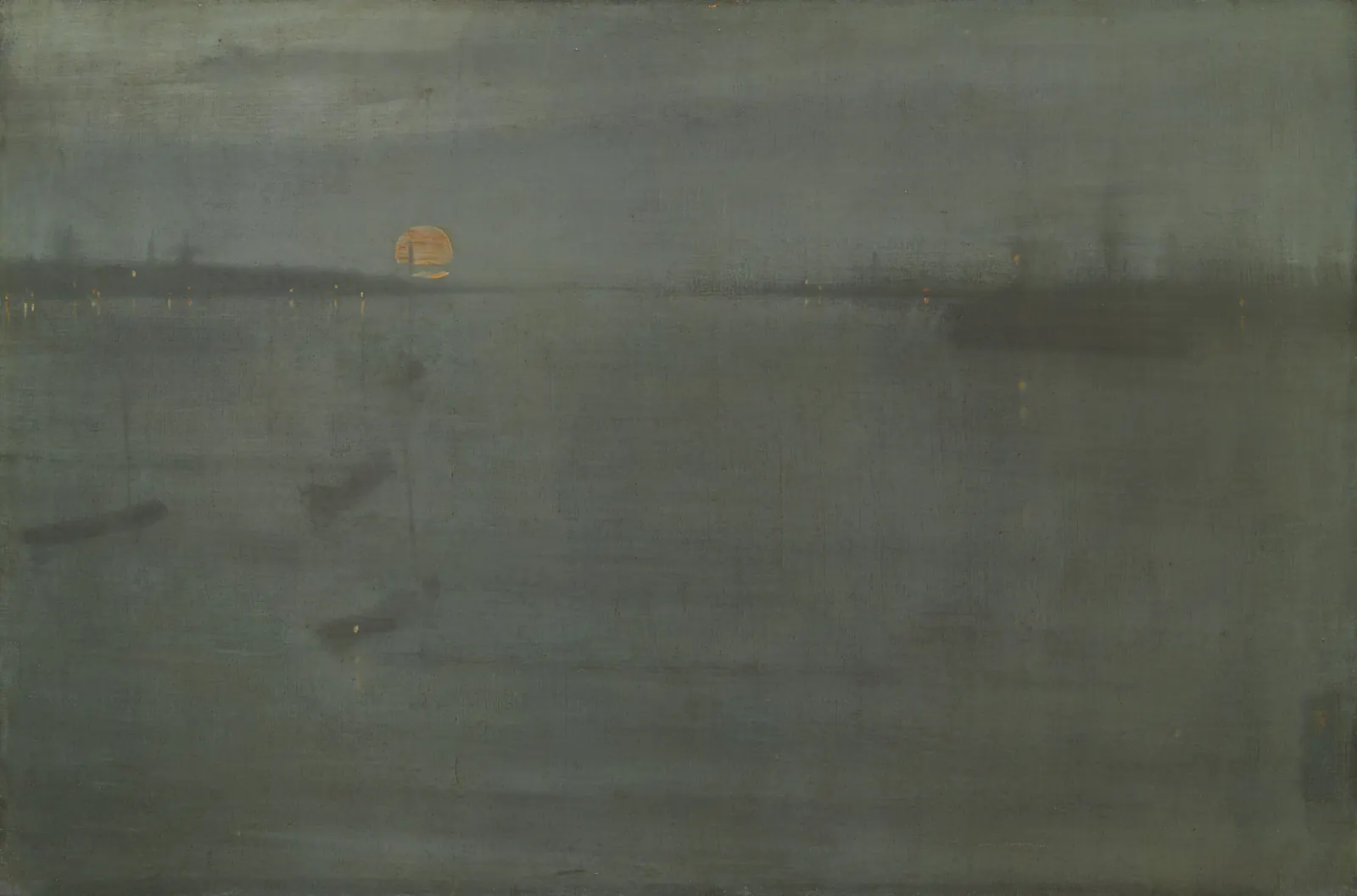
Nocturne: Blue and Gold—Southampton Water
1872 · Art Institute of Chicago · 1900.52
CC0 Public Domain Designation
Resized to 1600 pixels wide and converted to WebP; no crop.

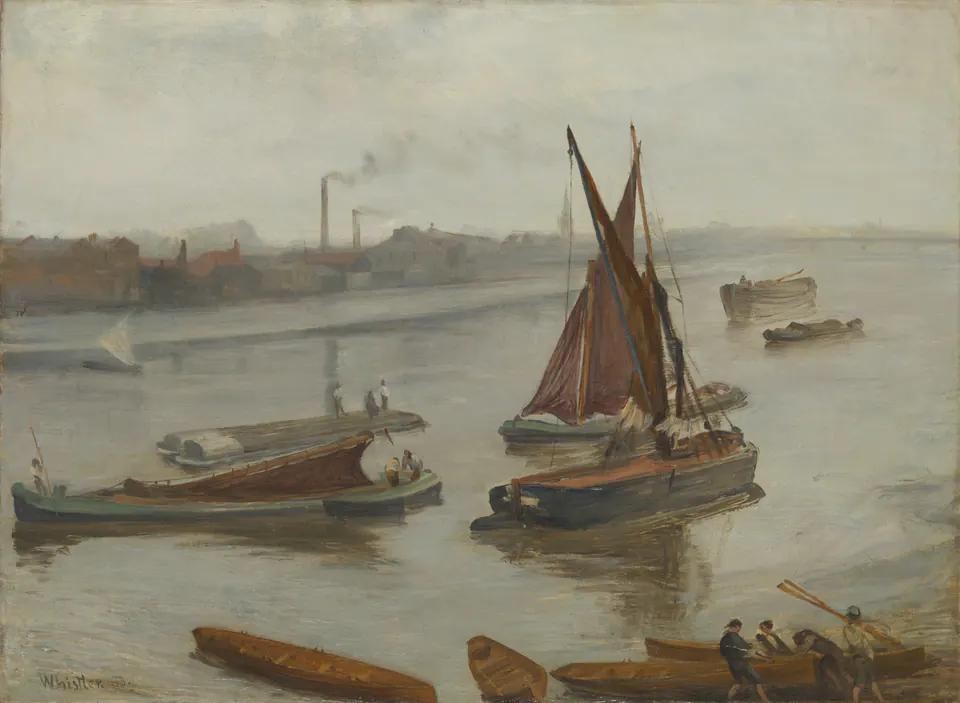
Grey and Silver: Old Battersea Reach
1863 · Art Institute of Chicago · 1922.449
CC0 Public Domain Designation
Resized to 960 pixels wide and converted to WebP; no crop.

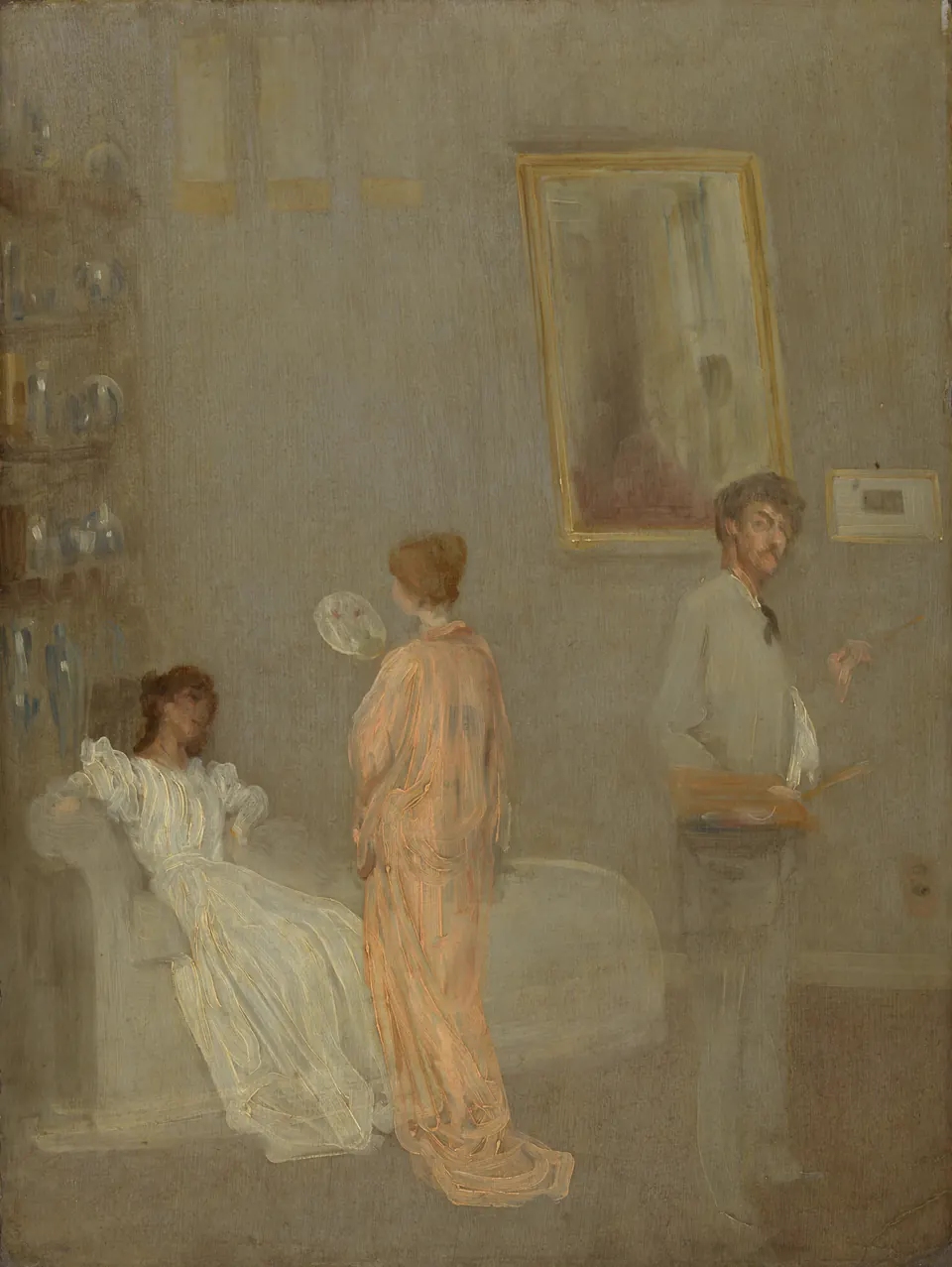
The Artist in His Studio
1865–66 · Art Institute of Chicago · 1912.141
CC0 Public Domain Designation
Resized to 960 pixels wide and converted to WebP; no crop.

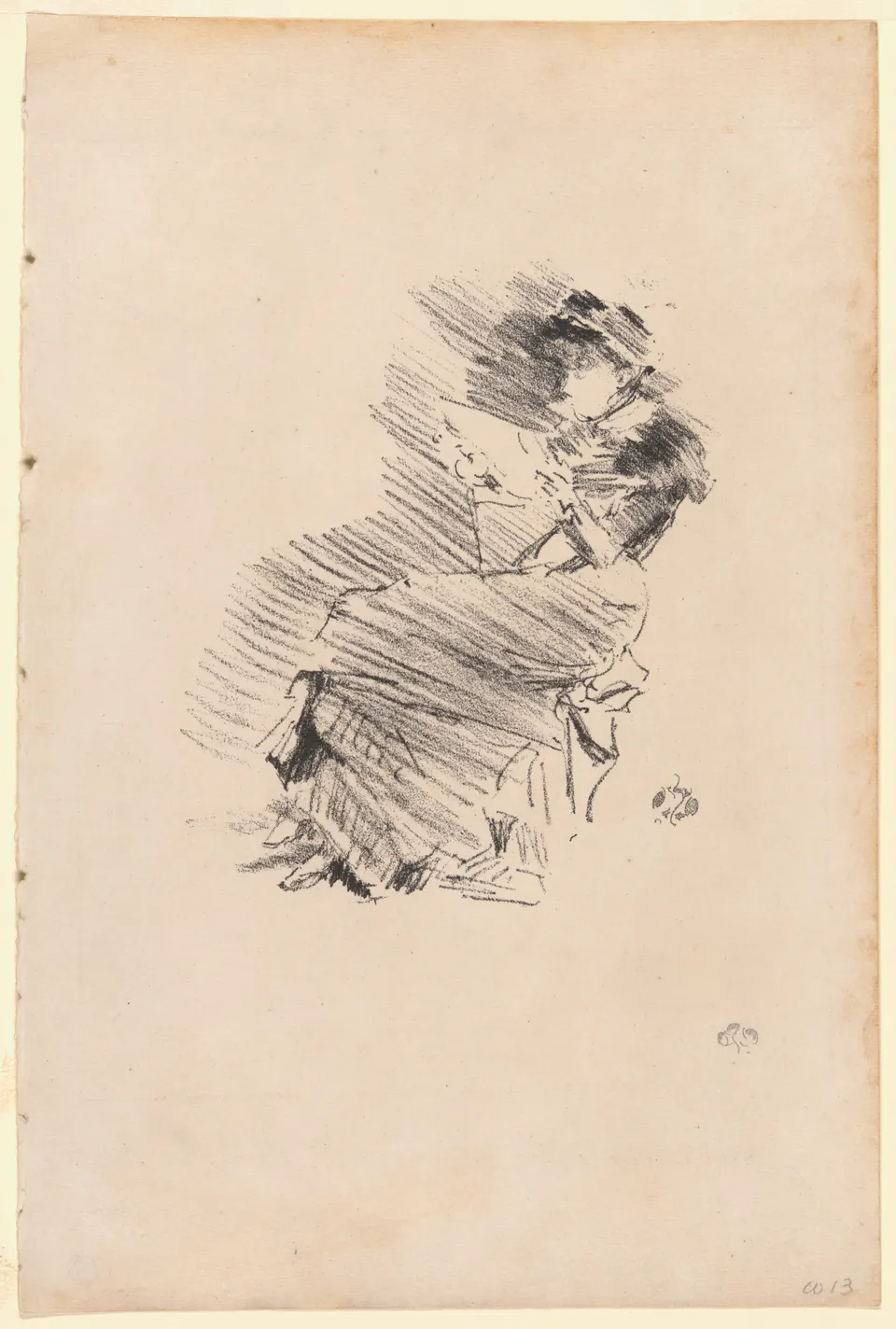
Reading
1879, published 1887 · Art Institute of Chicago · 2004.542
CC0 Public Domain Designation
Resized to 960 pixels wide and converted to WebP; no crop.

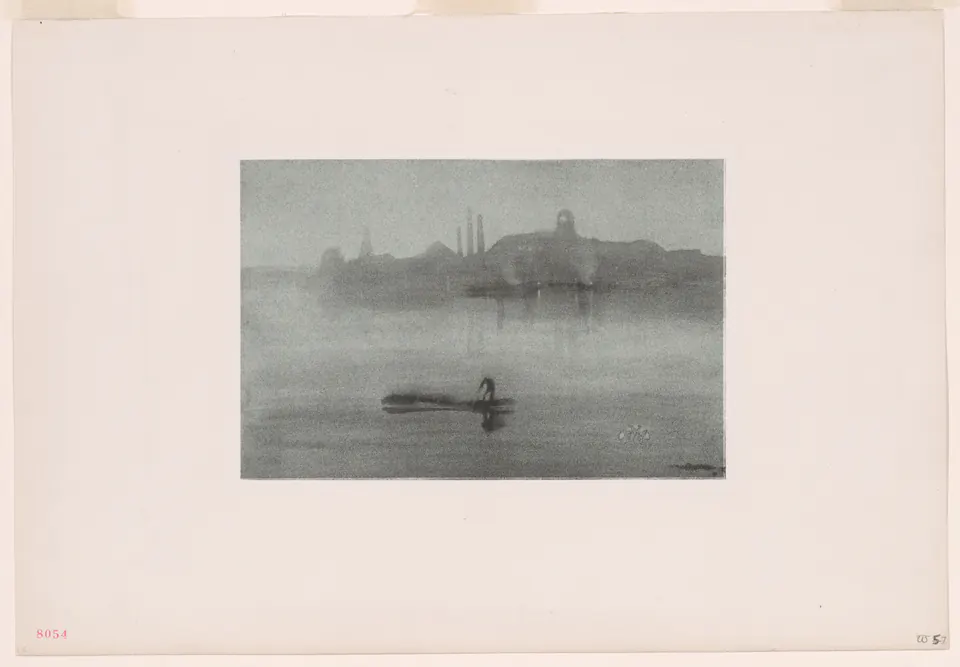
Nocturne
1878, published 1887 · Art Institute of Chicago · 2004.529
CC0 Public Domain Designation
Resized to 960 pixels wide and converted to WebP; no crop.

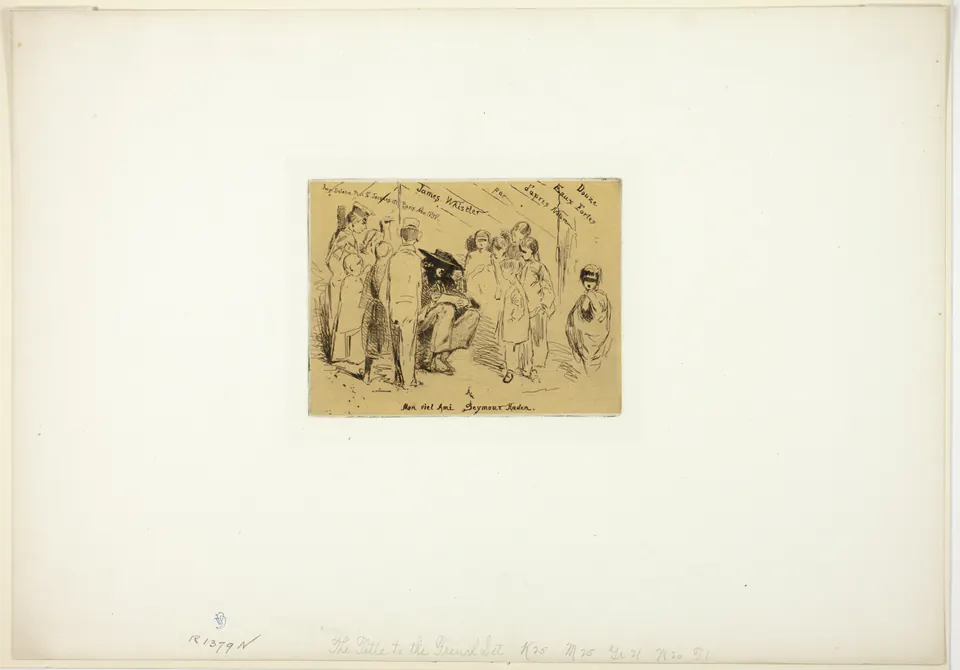
The Title Page for Douze Eaux Fortes d’après Nature
1858 · Art Institute of Chicago · 1933.268
CC0 Public Domain Designation
Resized to 960 pixels wide and converted to WebP; no crop.

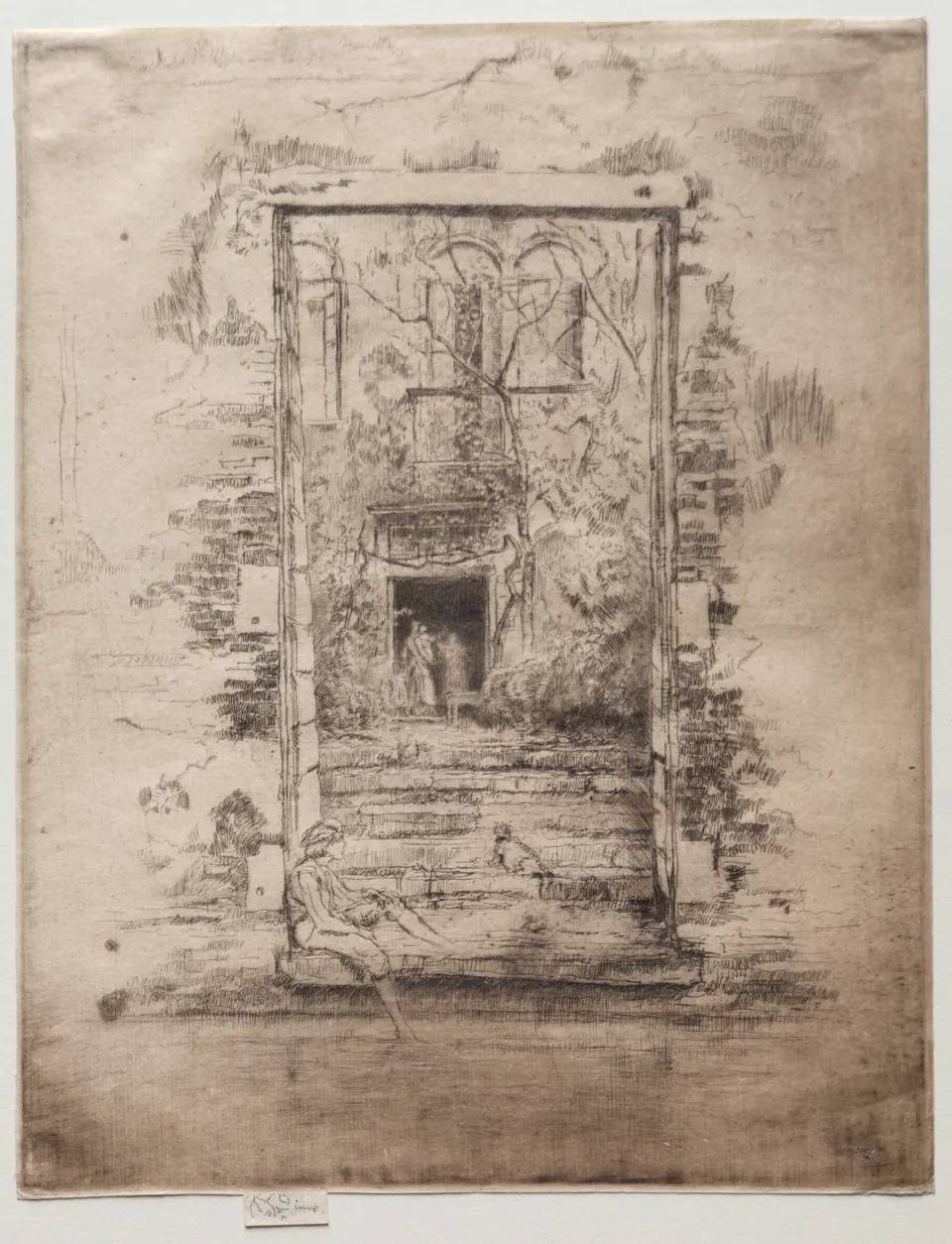
The Garden
1879–80; state V/VIII, Second Venice Set · Cleveland Museum of Art · 1923.31
CC0 Public Domain Designation
Resized to 960 pixels wide and converted to WebP; no crop.
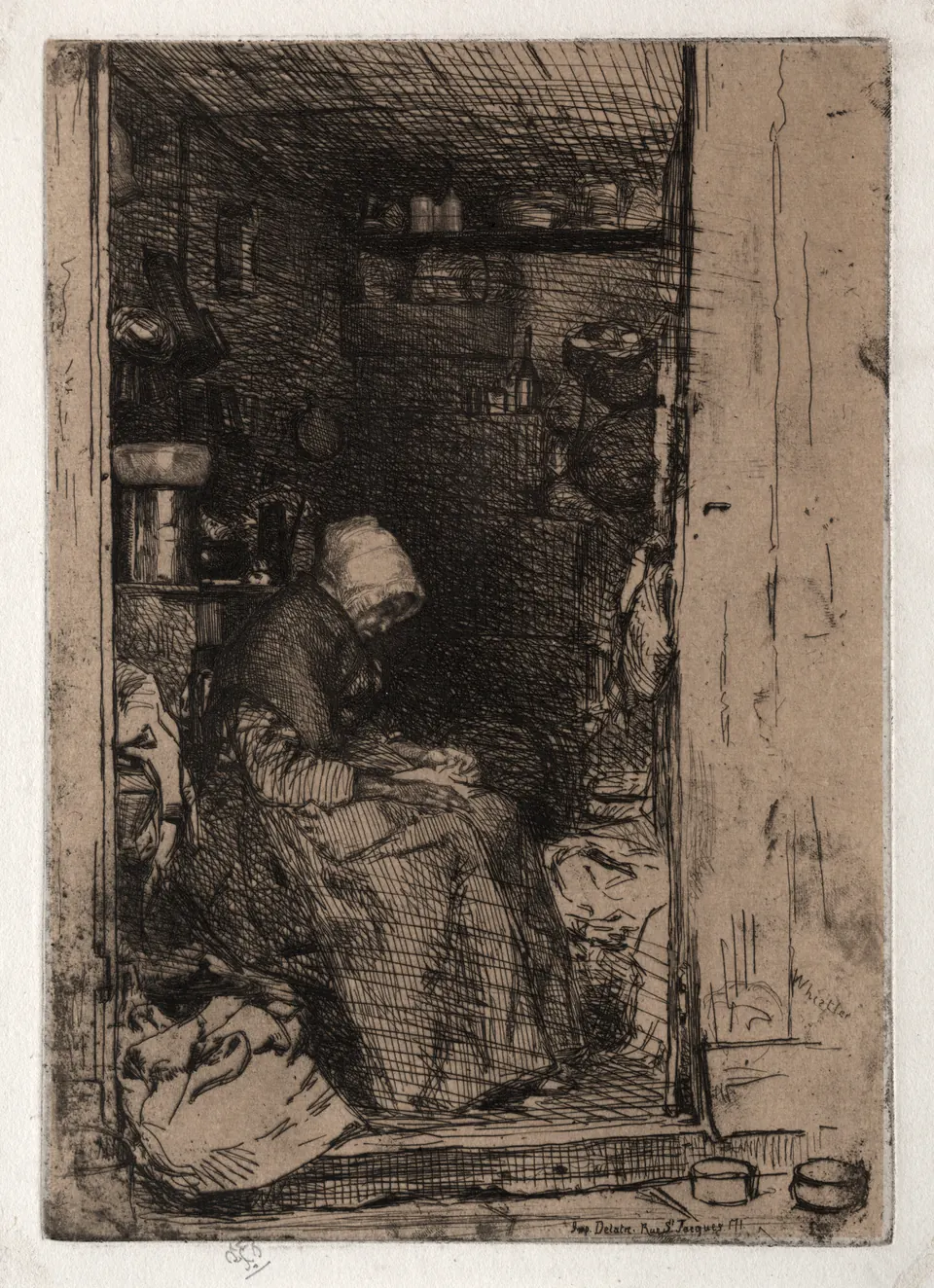
The Old Rag Woman, No. 10
1858; state II/III, French Set · Cleveland Museum of Art · 1922.438
CC0 Public Domain Designation
Resized to 960 pixels wide and converted to WebP; no crop.
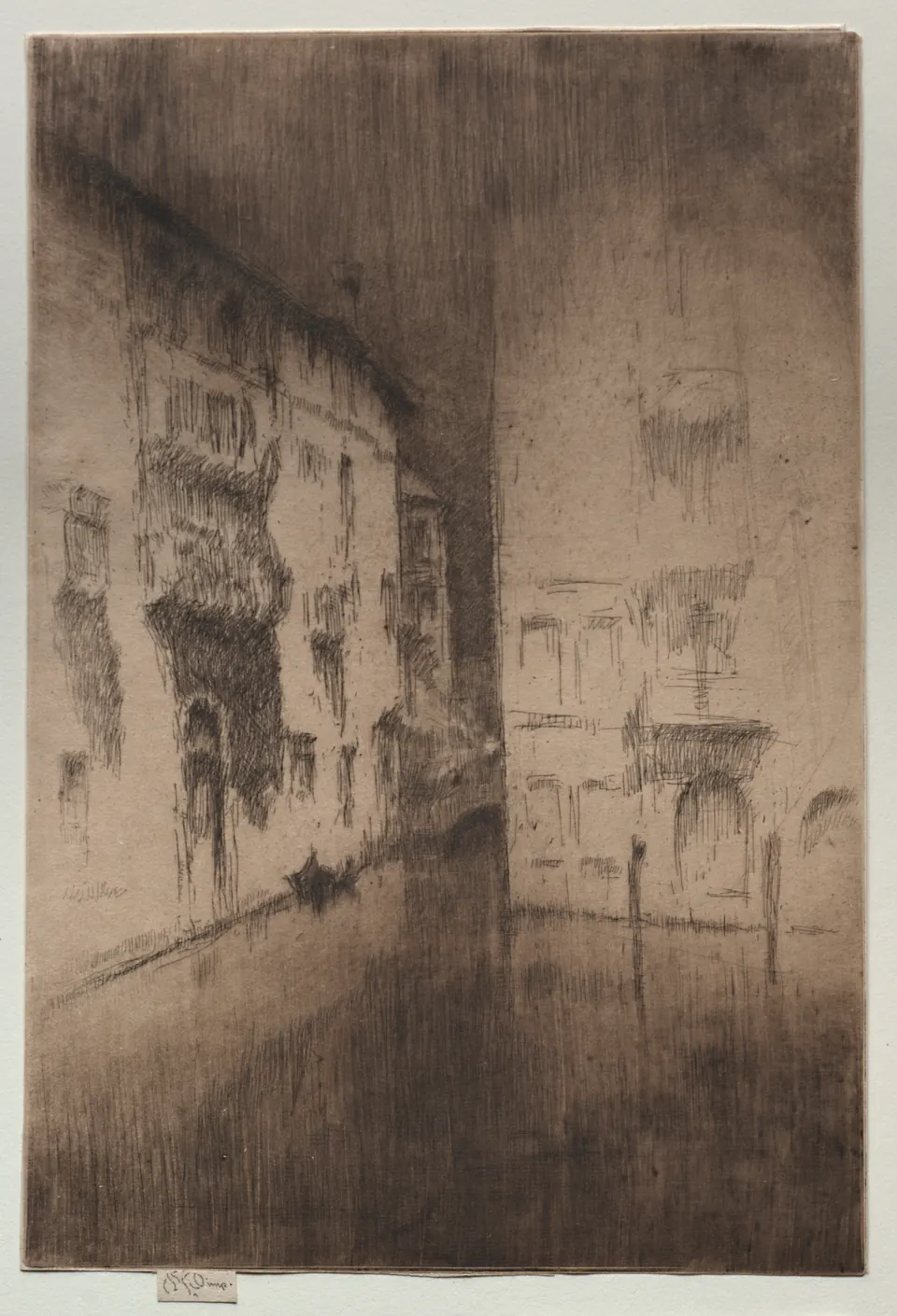
Nocturne: Palaces
1879–80; state IV/IX · Cleveland Museum of Art · 1922.461
CC0 Public Domain Designation
Resized to 960 pixels wide and converted to WebP; no crop.
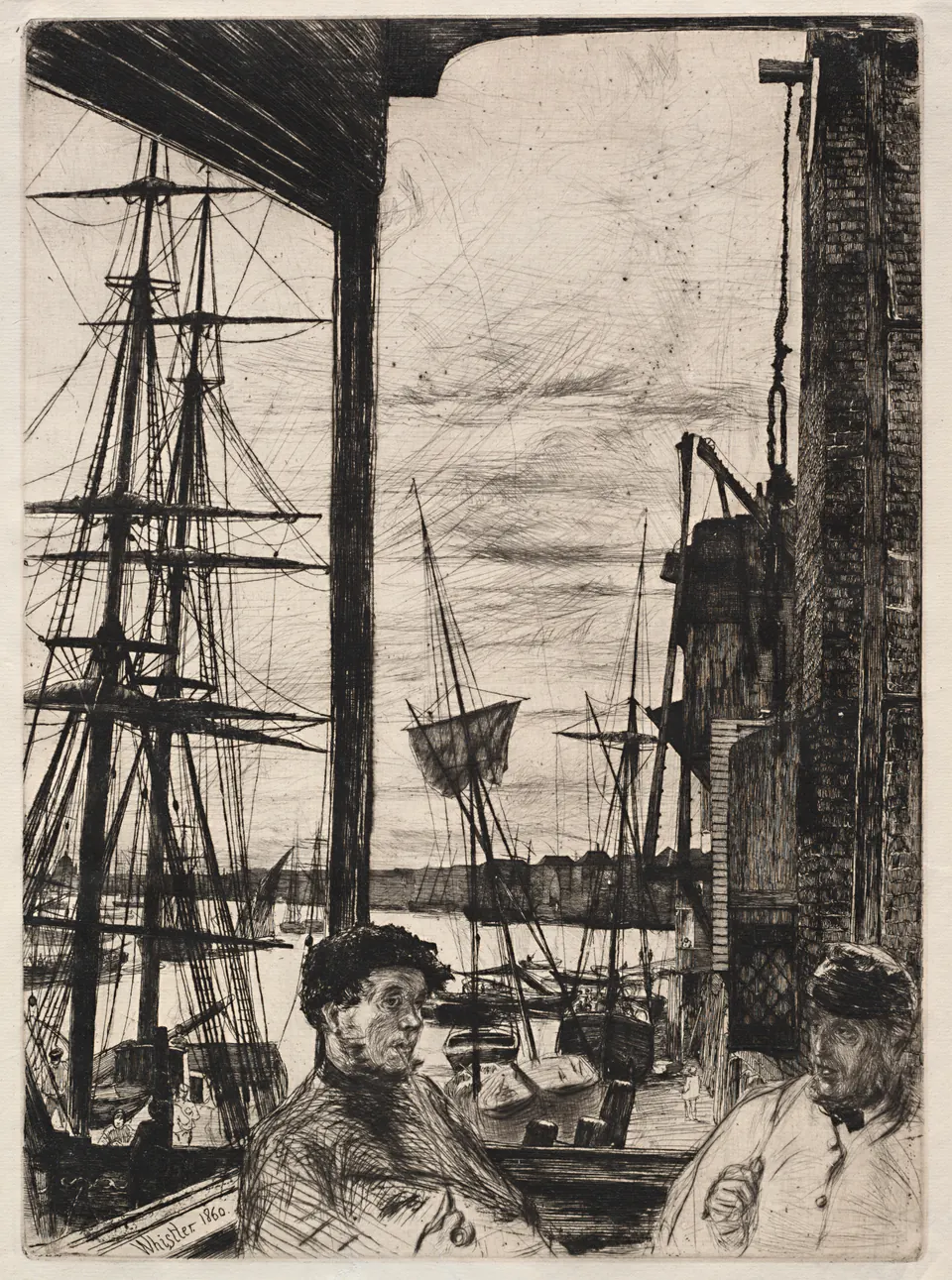
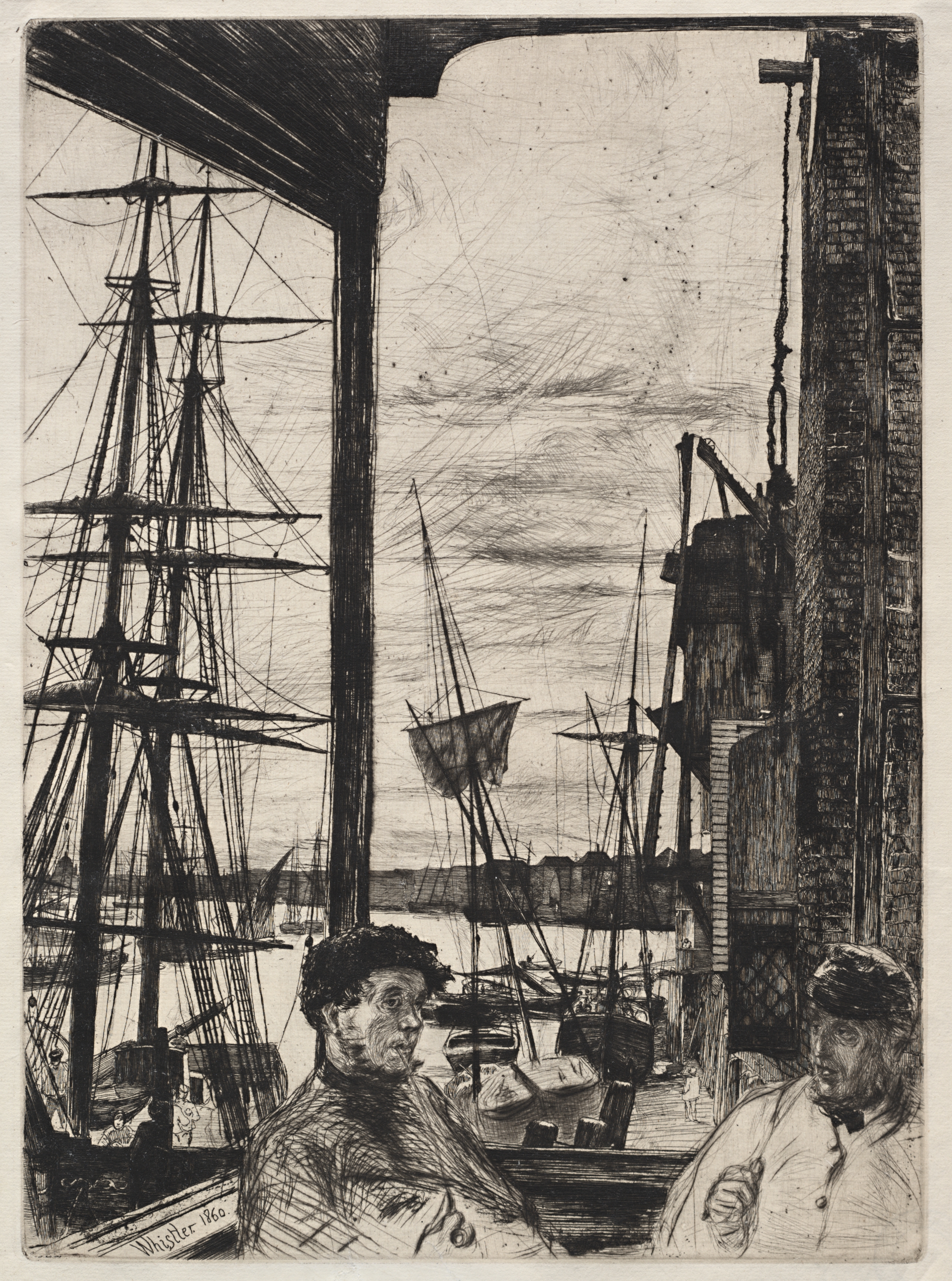
Rotherhite
1860; state III/III · Cleveland Museum of Art · 1922.435
CC0 Public Domain Designation
Resized to 960 pixels wide and converted to WebP; no crop.
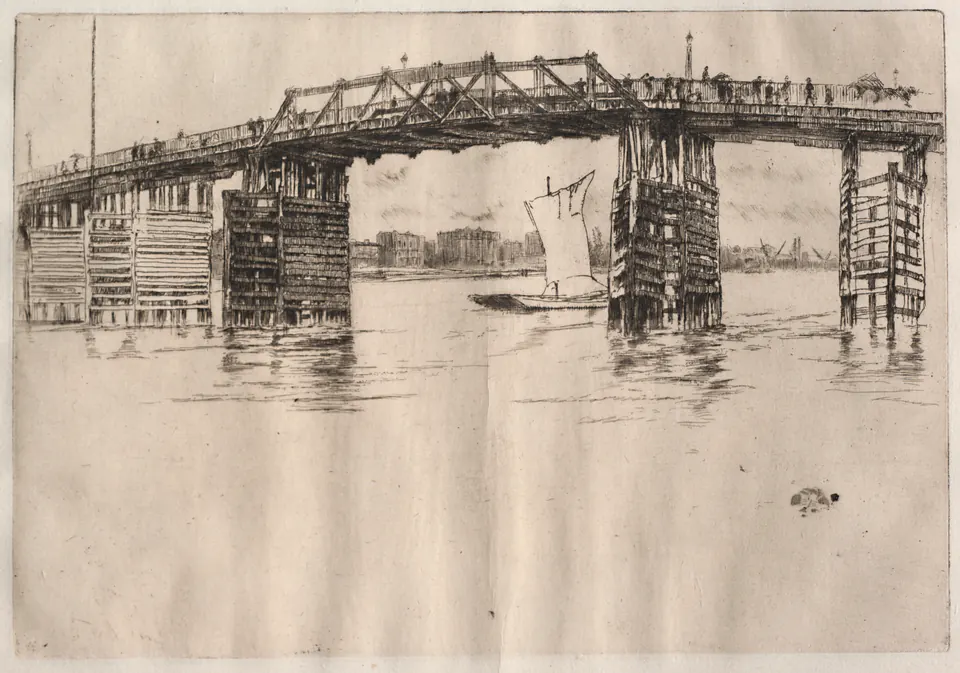
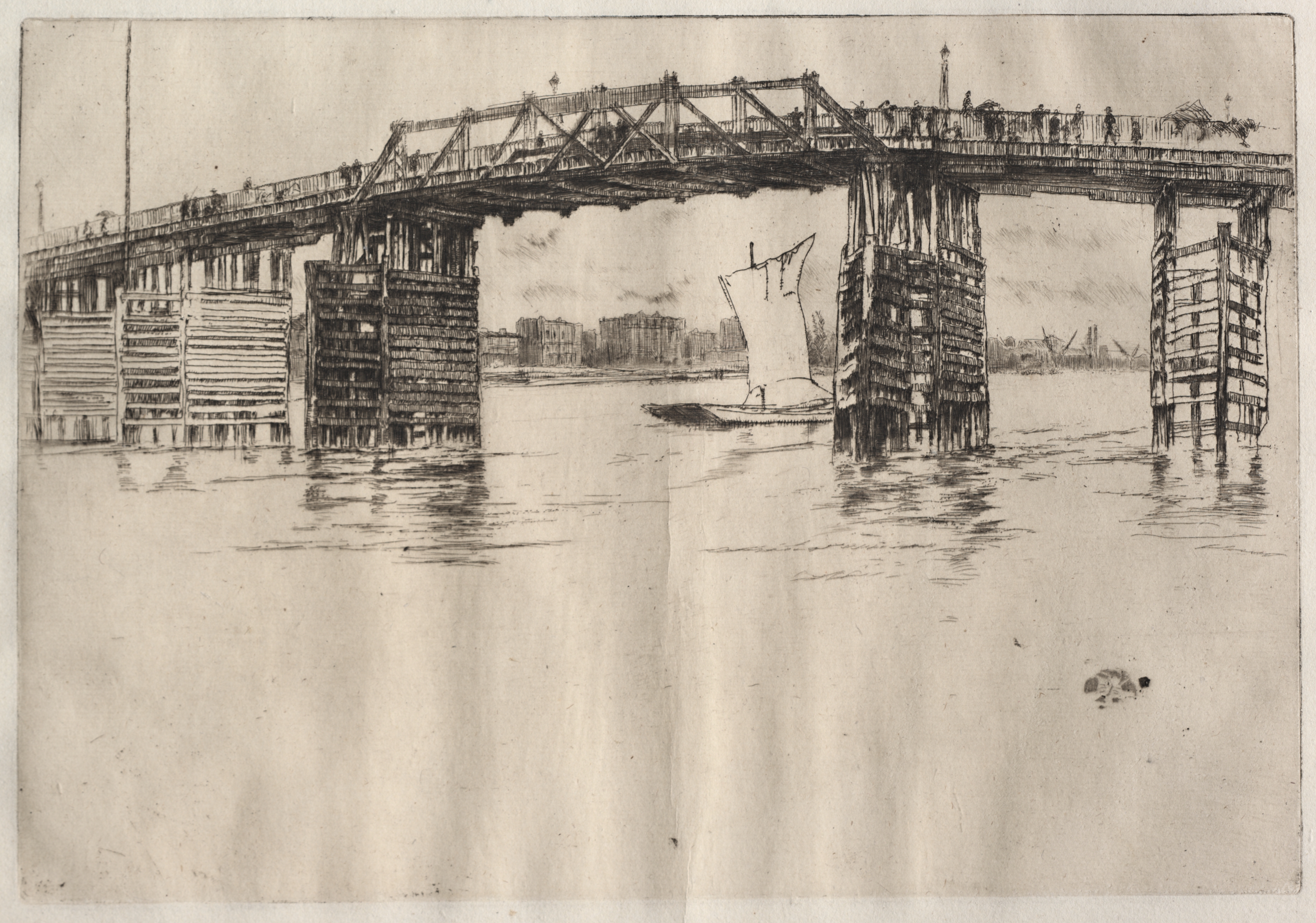
Old Battersea Bridge
1879; state IV/V · Cleveland Museum of Art · 1922.440
CC0 Public Domain Designation
Resized to 960 pixels wide and converted to WebP; no crop.
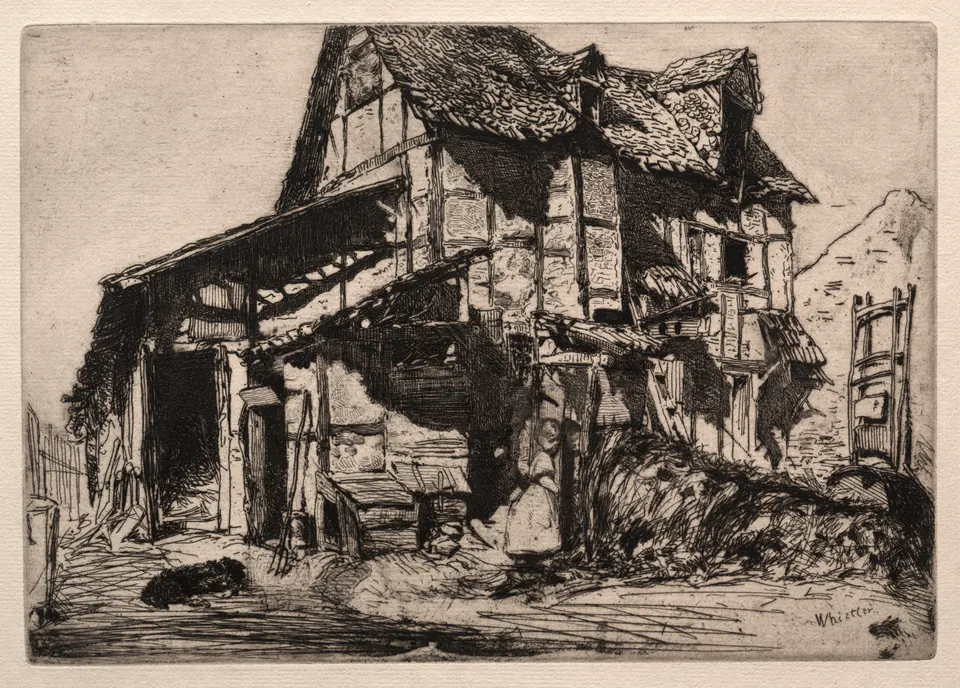
An Unsafe Tenement
1858; state IV/IV, French Set · Cleveland Museum of Art · 1918.122
CC0 Public Domain Designation
Resized to 960 pixels wide and converted to WebP; no crop.
Sources and review method
We checked the artist chronology against museum records, treated each named jurisdiction separately, and recorded the provider policy for the image set. These sources support the legal framework and artist dates used above; the source file for any individual image still needs its own record.
- Nocturne: Blue and Gold—Southampton Water — Art Institute of Chicago. Feature identity, accession, exhibition and publication history, exact IIIF file, and CC0 status.
- Nocturne: Blue and Gold—Southampton Water, YMSM 117 — University of Glasgow. Institutional catalogue raisonné evidence for the painting’s 1872 exhibition and nineteenth-century catalogue history.
- Grey and Silver: Old Battersea Reach — Art Institute of Chicago. Painting identity, nineteenth-century sale, early catalogues, accession, and exact CC0 file.
- The Artist in His Studio — Art Institute of Chicago. Painting identity, 1896–1912 market history, illustrated 1917 catalogue, accession, and exact CC0 file.
- The Garden — Cleveland Museum of Art. Second Venice Set identity, state V/VIII, accession, exact impression file, and CC0 status.
- Open Access Images — Art Institute of Chicago. Files labelled CC0 Public Domain Designation may be reused for commercial and non-commercial purposes.
- Open Access — Cleveland Museum of Art. Cleveland releases eligible collection images and metadata under CC0 for commercial and non-commercial reuse.
- Directive 2006/116/EC, Article 1 — EUR-Lex. The EU term for an artistic work is the author’s life plus 70 years.
- How long copyright lasts — UK Government. UK guidance gives 70 years after the author’s death for artistic works.
- Law No. 5846 on Intellectual and Artistic Works, Article 27 — WIPO Lex. The Turkish economic-rights term is the author’s life plus 70 years.
- Circular 15A: Duration of Copyright — U.S. Copyright Office. The 2026 term table places works published before 1931 outside the maximum 95-year publication term.
- Certain Unpublished, Unregistered Works Enter Public Domain — U.S. Copyright Office. Older unpublished works have a separate U.S. term analysis; discovery and first-publication history can matter.
- 17 U.S.C. Chapter 3, including §303 — U.S. Copyright Office. Section 303 states the transition rules and minimum 2002 or 2047 expiry floors for works that were unpublished on 1 January 1978.
- 17 U.S.C. §104A and Circular 38B — U.S. Copyright Office. Foreign-work restoration requires that the work was not already public domain through term expiry in its source country.
- Visual Artists: Publication — U.S. Copyright Office. Distribution can publish a visual artwork, while public display by itself does not establish publication.
- Compendium of U.S. Copyright Office Practices, Chapter 900, §909.3(A) — U.S. Copyright Office. A purely faithful scan or “slavish copy” does not add registrable authorship, while substantial restoration or alteration can require a separate analysis.
- Copyright notice: digital images, photographs and the internet — UK Intellectual Property Office. A digital image can require a separate rights and website-terms check even when its subject is old.
Editorial record
About this article
- Author
- Publisher
- GeMarkt
- Published
- Reviewed
- Internal source & rights check. Conducted by GeMarkt Research Review. This is an internal editorial check—not independent peer review.
- Source standard
- Rights guide source standardSeparates the underlying work from the source file, records the review date, and links the evidence used for the conclusion.
Found a claim that needs checking? Report a factual error.