GeMarkt Blog · Practical guide
How to Clean Framed Art and Canvas
Separate glazing, frame and image surface before cleaning. Know when to follow a print maker's instructions and when to stop and ask a conservator.

Clean the protective glazing only by its maker’s instructions, treat the frame as a separate material, and do not assume that a canvas image can be wiped like furniture. If you cannot identify the surface, pause before applying anything. A little dust is usually a better starting problem than a rubbed patch or cleaner trapped inside a frame.
For a known, modern print, its producer can tell you what routine care the exact product allows. An original painting, old print, fragile finish or object with sentimental or financial value deserves more caution. The fact that both objects show the same famous painting does not make their surfaces equivalent.
Identify what you are about to touch
Look at the mark without touching it. Is it on the outer glazing, inside the frame, on the frame’s finish, or on the image itself? A reflection can make a mark difficult to locate. Change your viewing angle rather than testing with a fingernail.
Find the order record or framing invoice. Useful details include the glazing brand and model, whether the canvas is printed or painted, and any care leaflet. “Canvas” names a support; it does not tell you what ink, paint, varnish or coating sits on it.
If the frame is heavy, cracked, unstable or awkward to reach, do not clean it while balancing on furniture or holding it with one hand. Arrange safe handling or get help. Cleaning is not urgent enough to justify dropping the object.
Separate the parts of a frame
A glazed print has several surfaces close together. The transparent sheet faces the room; the mat and paper sit behind it; the surrounding frame has its own finish. A product suitable for one part may be unsuitable for another.
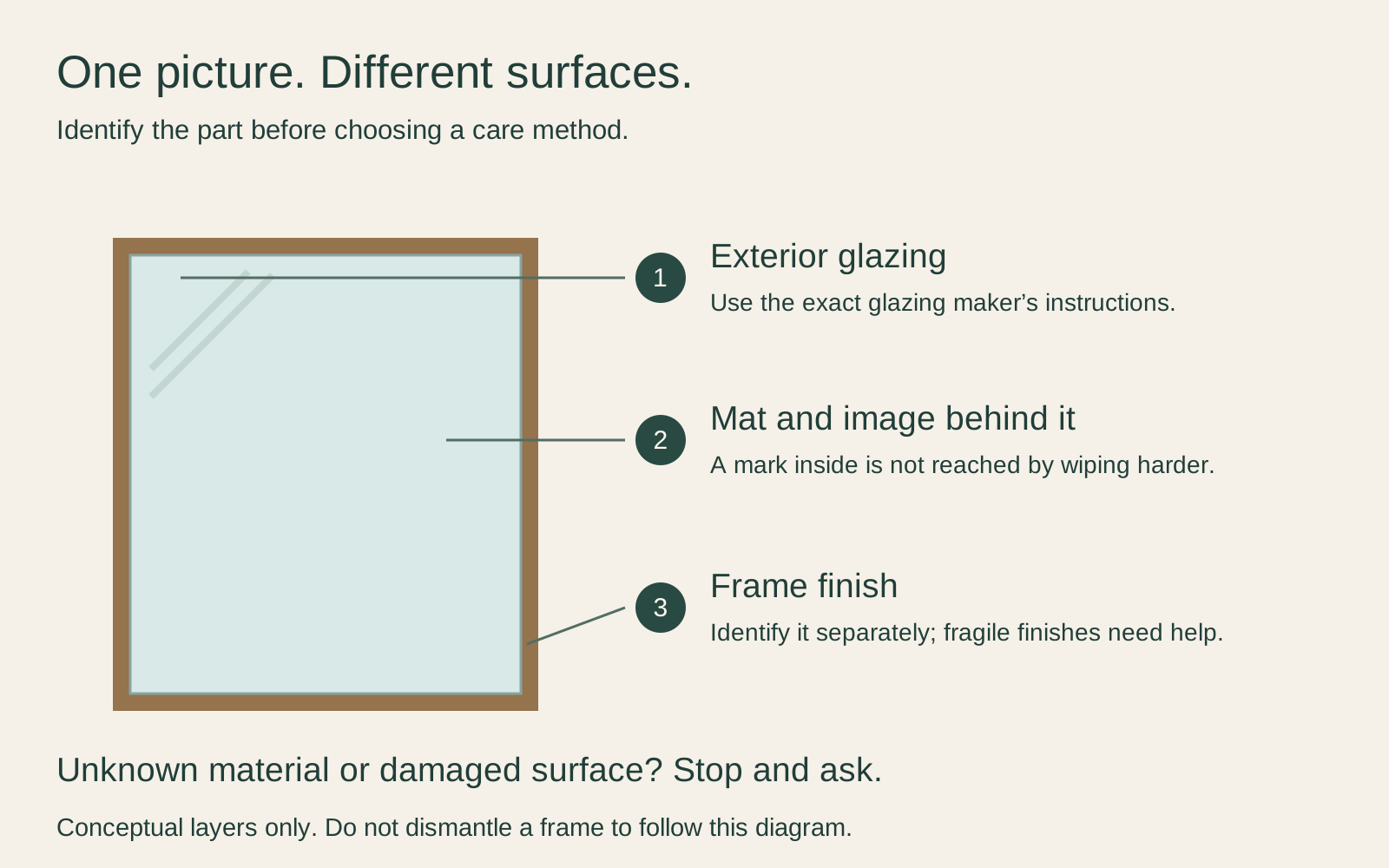
For example, a fingerprint on known glazing is an exterior-care question. A grey mark beneath that glazing is not reachable by wiping harder. Opening the frame creates a different task involving the artwork, backing and fixings. Ask the framer rather than treating dismantling as an ordinary cleaning step.
If the image has no glazing, the exposed surface is not a convenient substitute. The lack of a cover means you need the image maker’s care guidance, not the glass-cleaning method.
Clean only known exterior glazing
Tru Vue’s care instructions separate glass, standard acrylic and coated acrylic products. Even within one manufacturer’s range, cleaners and polishing methods are not interchangeable. A bottle labelled “glass cleaner” should not be assumed suitable for an unknown clear sheet.
Use the cloth and product specified for the exact glazing. Where the instructions call for cleaner on a cloth, apply it away from the artwork rather than spraying towards the frame. Keep liquid away from the edges and finish; stop if the required method cannot be followed without wetting other parts.
Do not turn scratch removal into a household experiment. Some glazing coatings must not be polished, and an apparent scratch might be elsewhere in the frame. If you do not know the glazing model, the next step is identification or advice—not trying progressively stronger products.
There is no solvent mixture in this guide because a recipe detached from its material conditions would be misleading. The same restraint applies to steaming, abrasive pads and scraping tools.
Treat the frame finish separately
A smooth modern frame, an old gilded frame and a painted decorative moulding may look equally solid from a distance. Their finishes can behave differently. For a known new frame, follow the frame manufacturer’s care instructions, keeping them separate from those for its glazing.
For an old, valuable or fragile frame, ask a conservator. CCI’s cleaning precautions warn that even dusting can damage fragile finishes and that wet wiping can remove traditional gilding. It also cautions against vacuuming or compressed air on paintings and their frames.
“Gold tone” on a shop description does not identify historical gilding, and a photograph cannot establish the finish. Our frame colour and material guide explains why the appearance and the material specification are different questions.
Follow the exact canvas print instructions
For a contemporary reproduction, contact the producer with the order or product identifier. Ask specifically about the printed face and edges, not only the wooden support. Keep the response with the purchase details so you are not guessing next time.
As one manufacturer-specific example, Printful’s care page permits gentle dusting with a soft, dry cloth for its posters and canvas prints. That is not a GeMarkt product specification and not permission to use the same method on an original painting or another maker’s coating.
If your producer explicitly permits a method, use it only on an intact product of that type. A surface that has become sticky, cracked, flaking or stained needs a new assessment. Do not assume that more pressure will improve a result, and stop if the surface changes or colour transfers.
Leave the image surface alone when uncertain
For paintings, cleaning is conservation treatment, not just housekeeping. CCI’s precautions explain that tiny loose paint flakes may be difficult to see, and that liquids can affect more than the uppermost layer. Do not apply water, solvents or commercial restoration products to an original painting yourself.
On paper, stains and discolouration also need diagnosis. The National Gallery of Art describes treatment tailored to an object’s particular materials and condition. It is not simply a matter of rubbing away a darker area.
A print being inexpensive does not make a home remedy effective. For an ordinary damaged reproduction, ask about replacement as well as treatment. For an original or irreplaceable object, consult a conservator before making an irreversible change.
Respond to damage without making it worse
If you find a spill, condensation, a loose surface or suspected mould, stop the routine cleaning. Keep people from touching the affected area, record what happened and contact the maker or an appropriate conservator. Do not scrub, heat, iron or use a hairdryer to force the picture back to normal.
Suspected mould is not ordinary dust. CCI’s paper-care advice recommends professional help and notes the potential risk to people as well as the object. Do not brush it into the room or enclose a damp object as though it were dry storage.
Make cleaning less necessary
Move the display away from cooking splashes, plant watering and cleaning sprays. Keep the surrounding room tidy, but protect the picture from the products used on nearby furniture. Leave the maintenance note where you can find it: “Glazing model known; frame finish unknown” is more useful than a guessed universal cleaning routine.
The goal is not to make every surface look newly manufactured. It is to enjoy the work while avoiding a preventable mistake—and to recognise when leaving it alone is the right form of care.
Editorial record
About this article
- Author
- Publisher
- GeMarkt
- Published
- Reviewed
- Internal source & rights check. Conducted by GeMarkt Research Review. This is an internal editorial check—not independent peer review.
- Source standard
- Buying guide source standardSeparates measured or first-hand evidence from general guidance and keeps practical limits visible.
Found a claim that needs checking? Report a factual error.