GeMarkt Blog · Practical guide
Is Canaletto Public Domain? Prints and Museum Images
Canaletto's published Vedute designs are public domain. Explore twelve museum images while keeping design dates, sheet dates, and file terms distinct.
Rights check · reviewed
The short answer
Yes for the historic Vedute print designs represented by these twelve AIC sheets. The selected museum files are CC0. The series publication history supports the U.S. answer; a painting or drawing needs its own history.
| What is being checked | Result | Why |
|---|---|---|
| European Union, United Kingdom & Türkiye | Public domain | Canaletto died in 1768, far beyond the ordinary life-plus-70 terms checked here. |
| United States — twelve Vedute designs | Public domain | The named Vedute print project was published in the eighteenth century. Its publication, rather than each museum design-date label, supports the result. |
| Painting, drawing, attribution, or file | Recheck the exact object | A work first published during 1978–2002 may engage §303’s 2047 floor; the guide does not transfer its print conclusion to such an object. |
The museum dates the designs mainly to 1735–44. Those dates should not be read as the printing date of every sheet; state, impression and image terms remain distinct.
This is a documented research summary, not legal advice. Copyright and moral-rights rules can vary by country and by the history of a particular work.

What we’ll look at
Can you reuse a Canaletto image, and why does its publication history matter?
Yes for the historic published Canaletto Vedute designs represented by these twelve sheets, in the European Union, United Kingdom, Türkiye, and United States. The Art Institute of Chicago releases their selected images under CC0. The printing date of each physical sheet has not been independently established; a painting, drawing, altered state, or different file needs its own checks.
Canaletto—Giovanni Antonio Canal—died in 1768. His established work is far beyond the ordinary life-plus-70 term in the markets checked here. For U.S. reuse, the history of these etchings also supplies evidence of publication, a separate question from when an artist made an image.
The short answer
All twelve examples are Art Institute of Chicago impressions of Canaletto’s Vedute designs. AIC’s catalogue dates, mainly 1735–44, are retained as design dates, not proof of when each physical sheet was printed. Each sheet has its own accession number and museum page. AIC gives the selected image files its CC0 Public Domain Designation.
The result is bounded by those sheets. It does not cover a disputed attribution, a workshop copy, a later restrike, an exhibition photograph, or another provider’s scan.
Copyright in the EU, UK, and Türkiye
Article 1 of the EU term directive, UK government duration guidance, and Article 27 of Türkiye’s Law No. 5846 supply the ordinary life-plus-70 rules used here. Canaletto died in 1768, so those ordinary terms expired long ago.
| Market checked | Ordinary rule applied | Result for established Canaletto works |
|---|---|---|
| European Union | author’s life plus 70 years | public domain |
| United Kingdom | 70 years after the creator’s death | public domain |
| Türkiye | life plus 70 years for economic rights | public domain |
Ownership of an object, museum admission terms, moral rights, attribution, trademarks, and new creative restorations remain separate.
Why this U.S. answer uses prints
For U.S. law, “made in 1740” and “published in 1740” are not interchangeable. The Copyright Office explains that authorised distribution can publish visual art, while public display alone does not. A unique painting may have a complicated sequence of private ownership, exhibition, photography, and reproduction.
These sheets represent designs from the historic published Vedute series. The Kunsthaus Zürich title-page record dates its example to 1744–46, providing context for the series rather than a printing date for the Chicago sheets. The early publication of the designs supports the U.S. conclusion; a later impression does not by itself restart their copyright. Any separately creative alteration needs its own analysis.
Paintings and drawings still need their own history
The old-unpublished transition in 17 U.S.C. §303 is why this guide avoids an artist-wide U.S. shortcut. Certain pre-1978 works first published by the end of 2002 can remain protected through 2047. A Canaletto drawing discovered in an archive cannot borrow the issue date of Vedute.
For a painting, a dated sale or authorised distribution of the original may help establish publication, while an exhibition alone may not. The evidence must be saved at the object level. Until it is, “verify” is more accurate than an extrapolation from the artist’s death.
Is the Vedute title page public domain?
Yes for the historic published title-page design represented by AIC accession 1922.1381.1; its selected file is CC0. AIC catalogues the design as 1735–44. That date does not independently establish when this physical impression was printed.
GeMarkt resized the institutional JPEG to 1280 pixels wide and converted it to WebP without cropping. A later facsimile title page, a book photograph, or a third-party restoration needs its own file record.
Check the museum image’s terms
The old etching does not erase every possible right or condition attached to a modern image. The UK IPO’s digital-image notice recommends checking the digital file independently. AIC’s Open Access policy provides the affirmative permission used for this set: files carrying its CC0 designation can be reused.
Use the download associated with the museum’s object page and save its rights statement. A photograph of the same print on another website may come from a different source; visual similarity cannot tell you its terms.
Twelve etchings to explore
The twelve illustrated records below include the title page and eleven views. Their museum links identify each sheet and its image. The title page offers a useful introduction: it places individual views within a named print project, something easily lost when a single image circulates without its caption.
When choosing a view to reproduce, keep the series title as well as the individual title. A sheet from this project should not be described as a photograph of one of Canaletto’s paintings.
A practical Canaletto reuse checklist
- Name the exact work or print, medium, date, institution, and accession.
- In the United States, document publication or distribution rather than relying on creation date.
- For a print, record its series, state, issue, and physical impression.
- Save the exact source-file URL and provider’s current rights statement.
- Document cropping, colour, restoration, compositing, and format conversion.
- Check the copyright term in every country where you plan to use it.
- Check attribution, access, contract, trademark, endorsement, and moral-rights questions separately.
Keep exploring
Start with the linked museum pages for the selected images. GeMarkt does not currently offer a Canaletto collection or download room.
For help investigating another painting or print, read How to research an artwork. Public domain is not a free-for-all explains the difference between an old artwork and the image you download.
Rights-checked image ledger
A documented starting set
These files were selected from the holding institutions rather than from search-result copies. Each card keeps the artwork record, exact source file, provider statement and GeMarkt transformation visible as separate facts.
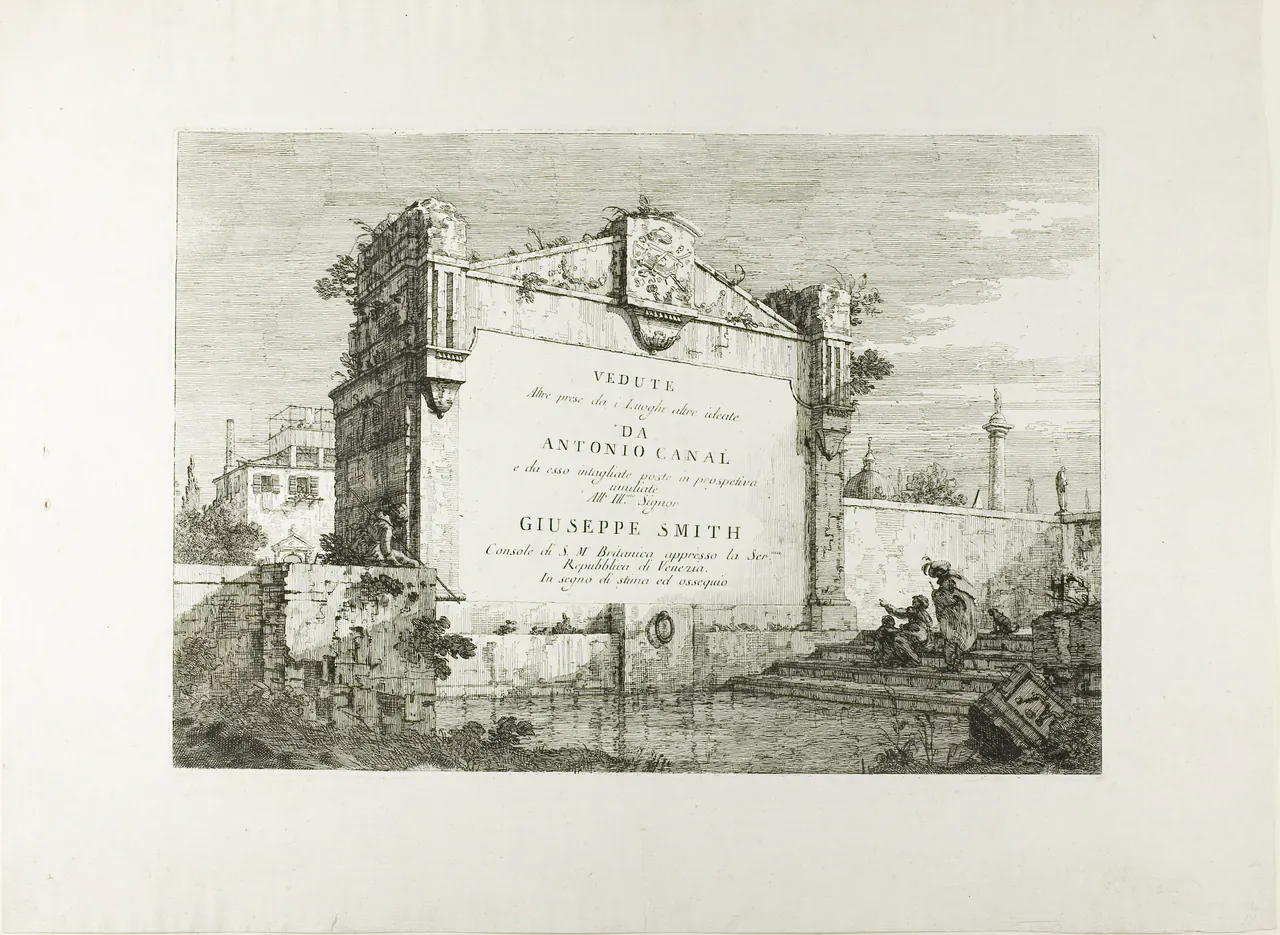
Title Page, from Vedute
design catalogued 1735–44; sheet printing date not established · Art Institute of Chicago · 1922.1381.1
CC0 Public Domain Designation
Resized to 1280 pixels wide and converted to WebP; no crop.

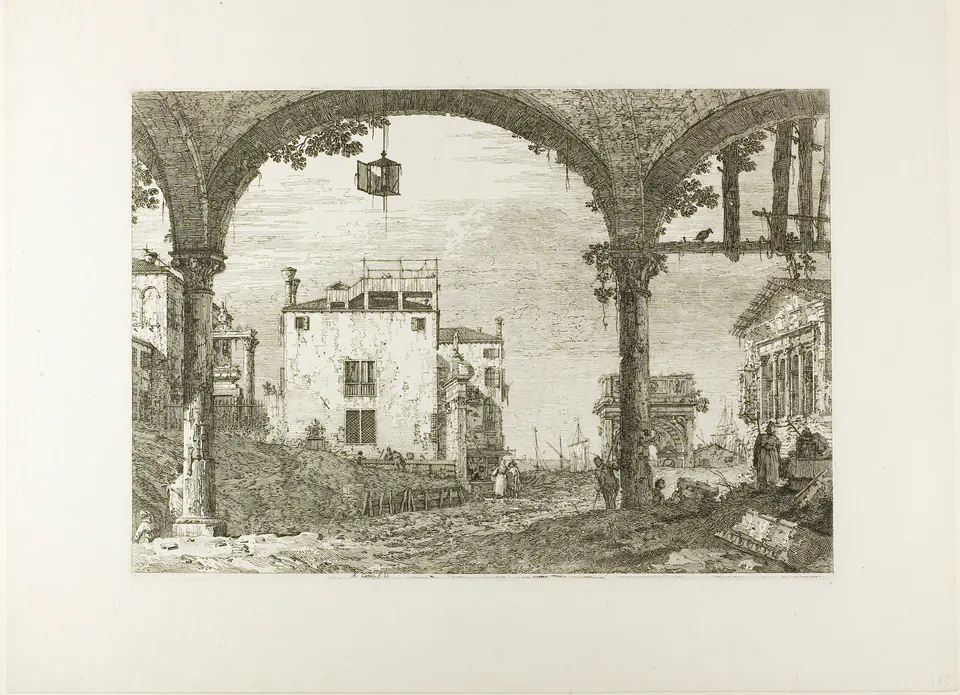
The Portico with the Lantern, from Vedute
design catalogued 1735–44; sheet printing date not established · Art Institute of Chicago · 1922.1381.3
CC0 Public Domain Designation
Resized to 960 pixels wide and converted to WebP; no crop.

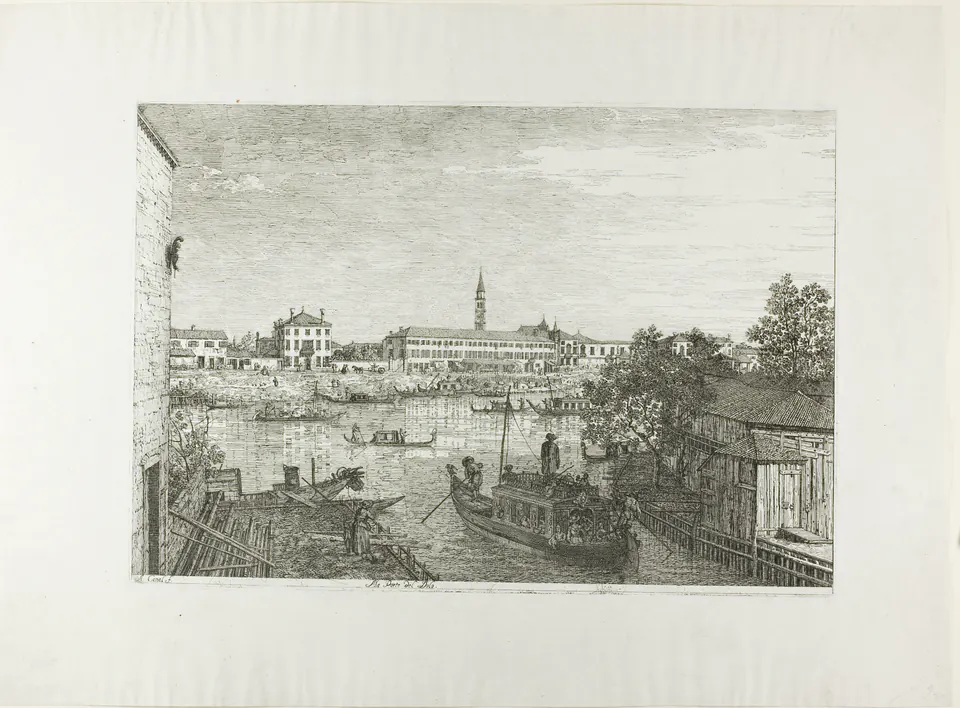
Ale Porto del Dolo
design catalogued 1735–43; sheet printing date not established · Art Institute of Chicago · 1922.1381.15
CC0 Public Domain Designation
Resized to 960 pixels wide and converted to WebP; no crop.

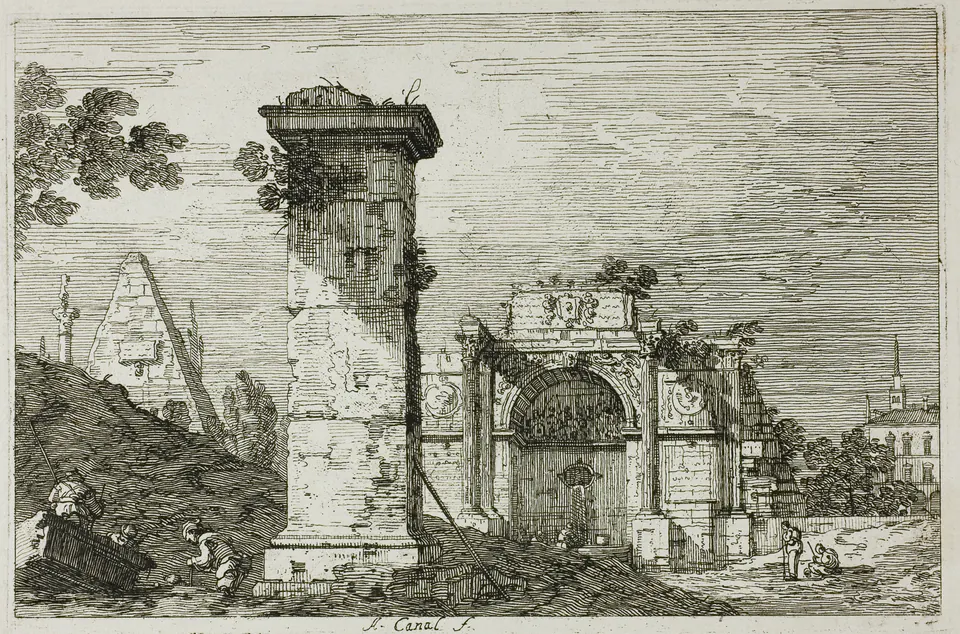
Landscape with Ruined Monuments, from Vedute
design catalogued 1735–44; sheet printing date not established · Art Institute of Chicago · 1922.1381.13
CC0 Public Domain Designation
Resized to 960 pixels wide and converted to WebP; no crop.

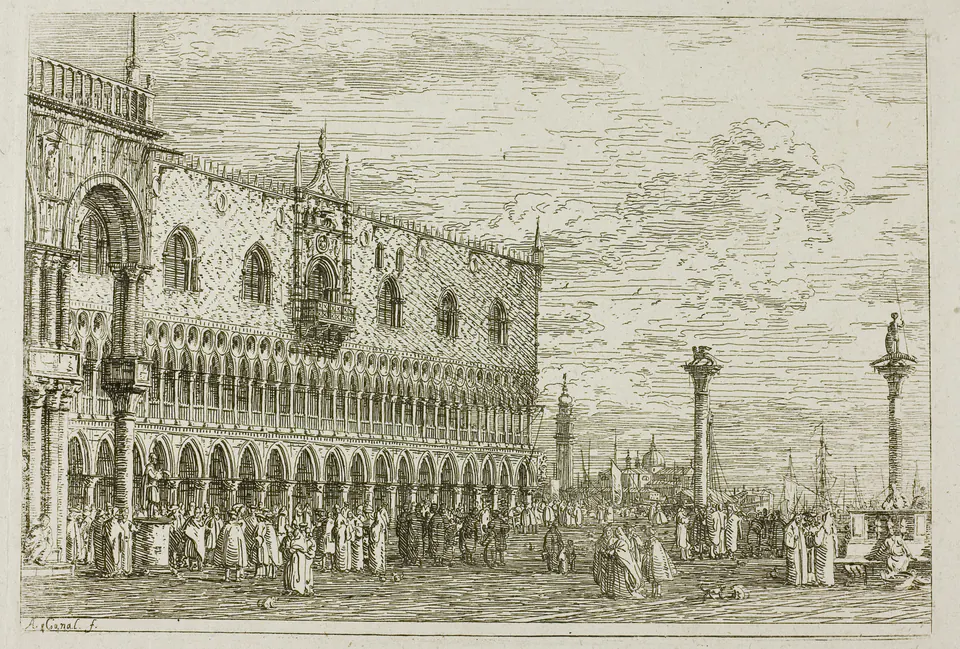
La Piera del Band V, from Vedute
design catalogued 1735–44; sheet printing date not established · Art Institute of Chicago · 1922.1381.25
CC0 Public Domain Designation
Resized to 960 pixels wide and converted to WebP; no crop.

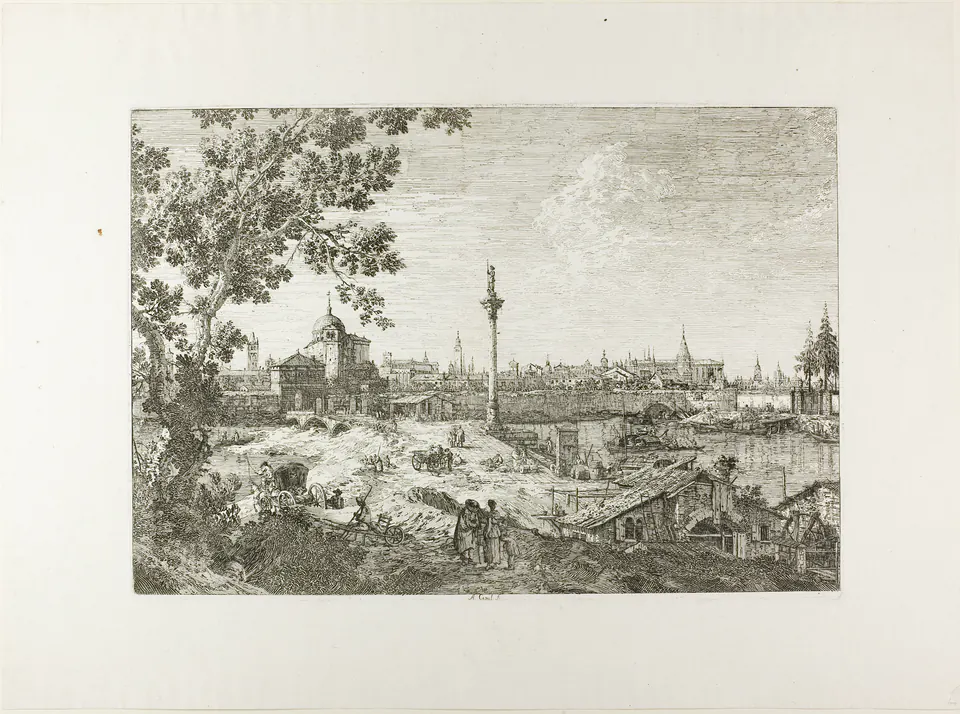
Imaginary View of Padua, from Vedute
design catalogued 1735–44; sheet printing date not established · Art Institute of Chicago · 1922.1381.9
CC0 Public Domain Designation
Resized to 960 pixels wide and converted to WebP; no crop.

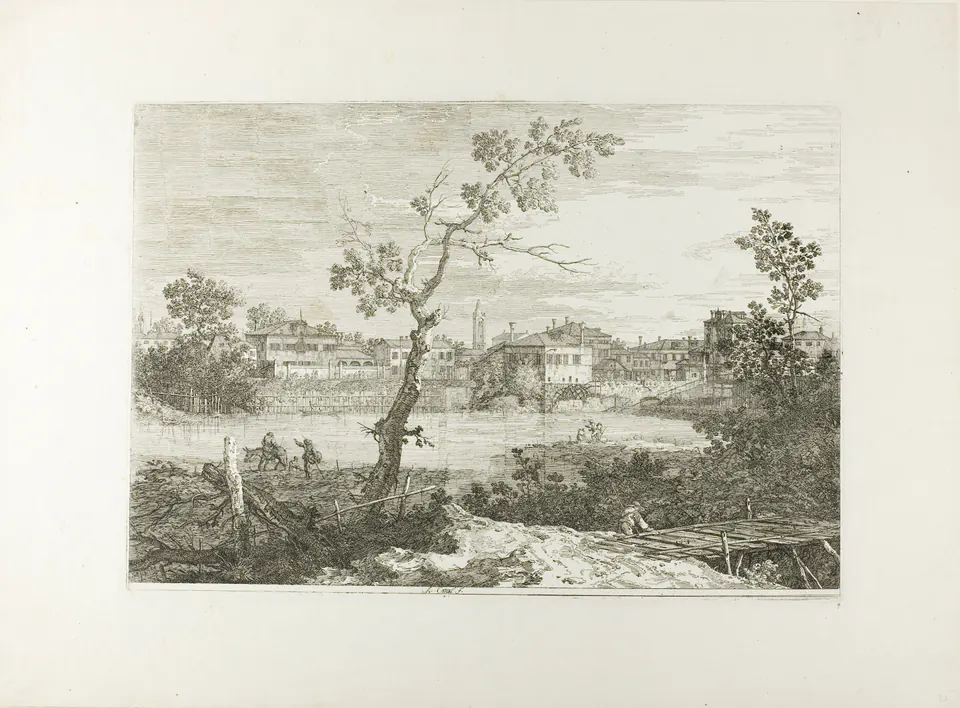
View of a Town on a River Bank, from Vedute
design catalogued 1735–44; sheet printing date not established · Art Institute of Chicago · 1922.1381.2
CC0 Public Domain Designation
Resized to 960 pixels wide and converted to WebP; no crop.

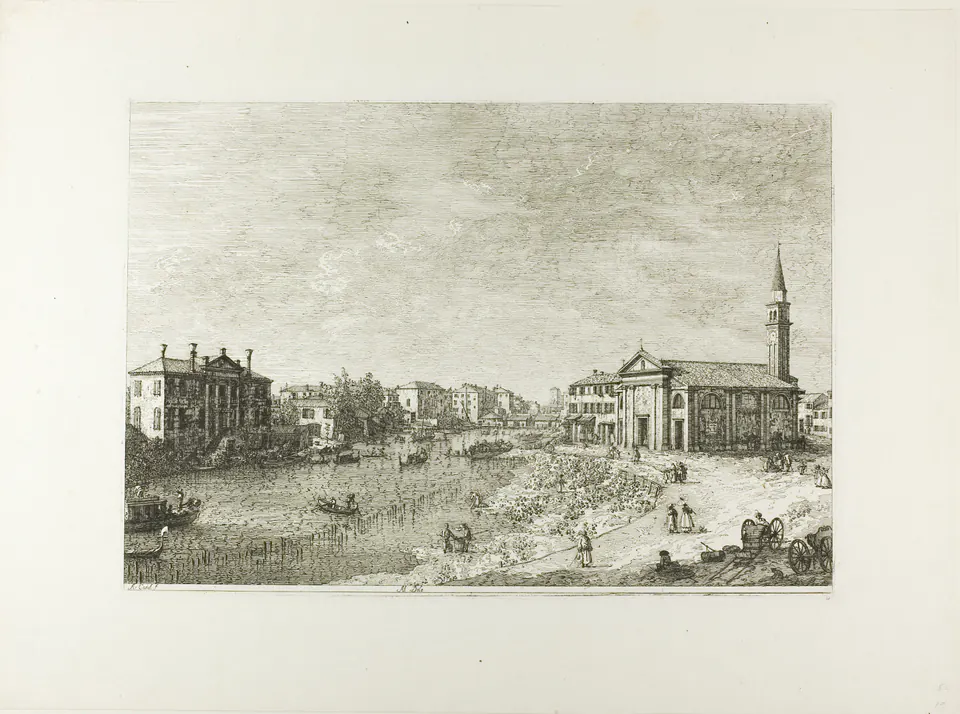
Al Dolo, from Vedute
design catalogued 1735–44; sheet printing date not established · Art Institute of Chicago · 1922.1381.19
CC0 Public Domain Designation
Resized to 960 pixels wide and converted to WebP; no crop.

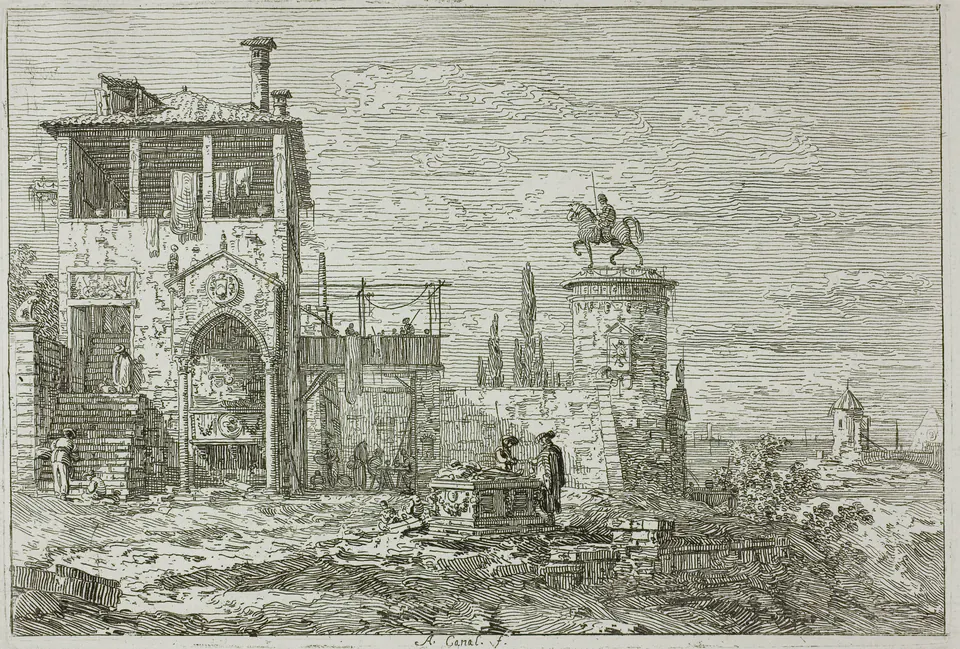
The Equestrian Monument, from Vedute
design catalogued 1735–44; sheet printing date not established · Art Institute of Chicago · 1922.1381.4
CC0 Public Domain Designation
Resized to 960 pixels wide and converted to WebP; no crop.

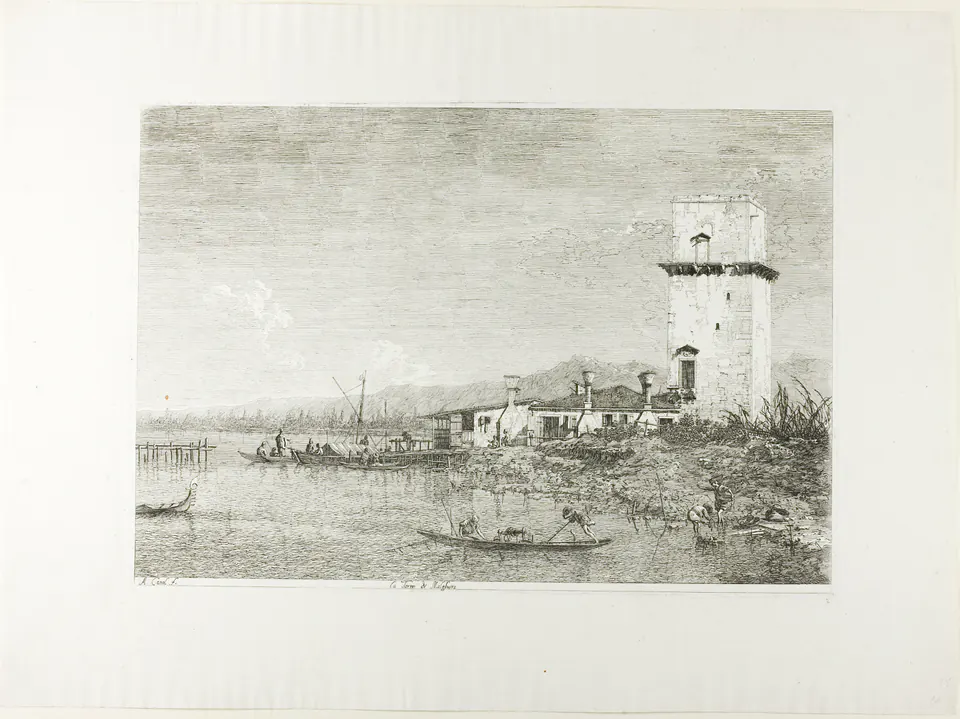
The Tower of Malghera, from Vedute
design catalogued 1735–44; sheet printing date not established · Art Institute of Chicago · 1922.1381.16
CC0 Public Domain Designation
Resized to 960 pixels wide and converted to WebP; no crop.

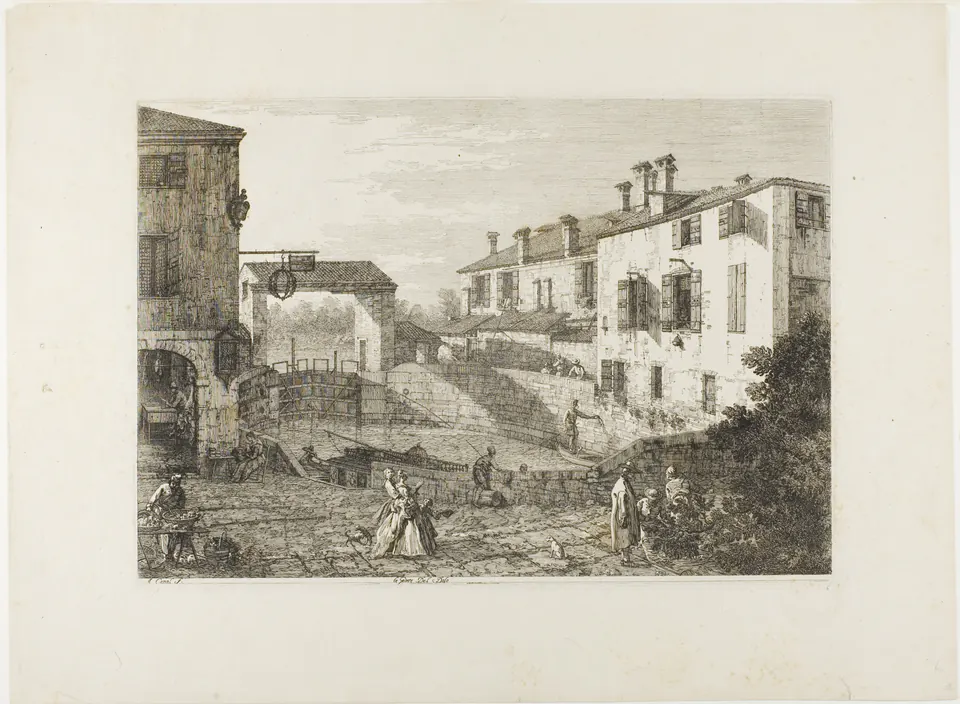
Le Porte Del Dolo, from Vedute
design catalogued 1735–44; sheet printing date not established · Art Institute of Chicago · 1922.1381.18
CC0 Public Domain Designation
Resized to 960 pixels wide and converted to WebP; no crop.

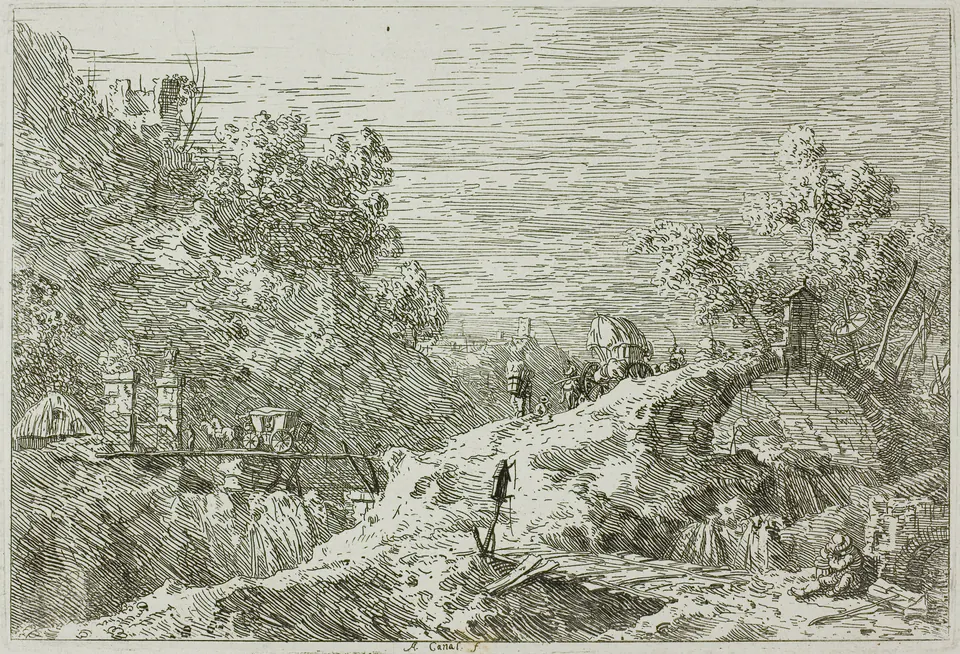
Mountain Landscape with Five Bridges, from Vedute
design catalogued 1735–44; sheet printing date not established · Art Institute of Chicago · 1922.1381.6
CC0 Public Domain Designation
Resized to 960 pixels wide and converted to WebP; no crop.

Sources and review method
We checked the artist chronology against museum records, treated each named jurisdiction separately, and recorded the provider policy for the image set. These sources support the legal framework and artist dates used above; the source file for any individual image still needs its own record.
- Title Page, from Vedute — Art Institute of Chicago. Feature identity, AIC catalogue date for the design, accession, file, and CC0 status; not an independently established sheet printing date.
- The Portico with the Lantern, from Vedute — Art Institute of Chicago. Named Vedute design and exact institutional file; the catalogue date does not independently date the physical sheet.
- Title Page, from Vedute: D.2024/0024 — Kunsthaus Zürich. Dates another title-page example to 1744–46; corroborates the historic series context without dating the Chicago sheets.
- Open Access Images — Art Institute of Chicago. AIC permits reuse of files carrying its CC0 Public Domain Designation.
- Directive 2006/116/EC, Article 1 — EUR-Lex. The EU term for an artistic work is the author’s life plus 70 years.
- How long copyright lasts — UK Government. UK guidance gives 70 years after the author’s death for artistic works.
- Law No. 5846 on Intellectual and Artistic Works, Article 27 — WIPO Lex. The Turkish economic-rights term is the author’s life plus 70 years.
- Circular 15A: Duration of Copyright — U.S. Copyright Office. Applying the maximum 95-year publication term to 2026 places works published before 1931 outside that term.
- 17 U.S.C. Chapter 3, including §303 — U.S. Copyright Office. Section 303 keeps the unpublished-work transition and the 1978–2002 first-publication floor separate.
- Visual Artists: Publication — U.S. Copyright Office. Distribution can publish visual art; public display alone does not establish publication.
- Copyright notice: digital images, photographs and the internet — UK Intellectual Property Office. The old work and the exact modern digital file remain separate checks.
Editorial record
About this article
- Author
- Publisher
- GeMarkt
- Published
- Reviewed
- Internal source & rights check. Conducted by GeMarkt Research Review. This is an internal editorial check—not independent peer review.
- Source standard
- Rights guide source standardSeparates the underlying work from the source file, records the review date, and links the evidence used for the conclusion.
Found a claim that needs checking? Report a factual error.